Why 1980s NBA Arenas Felt Like Battlefields
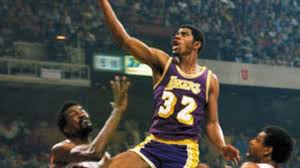
The 1980s were a transformative decade for the National Basketball Association, a time when the league was emerging from relative obscurity into a cultural phenomenon. The decade was marked by intense rivalries, larger-than-life personalities, and a style of play that combined skill, athleticism, and physicality in a way rarely seen before or since. One of the defining features of this era was the atmosphere inside NBA arenas. Games did not just take place in stadiums—they unfolded in environments that felt visceral, confrontational, and electric, like battlefields where every possession carried weight and consequence. Fans, players, and media alike frequently described these games as more than sporting contests; they were theatrical, high-stakes clashes that mirrored the social and cultural tensions of the period. Understanding why 1980s NBA arenas felt like battlefields requires exploring the convergence of player rivalries, fan intensity, media coverage, league rules, and the cultural moment in which the league existed.
Player Rivalries and the Physical Nature of the Game
A major reason 1980s NBA arenas felt like battlefields was the intensity of player rivalries and the physical style of play prevalent at the time. Unlike the modern game, which emphasizes spacing, three-point shooting, and analytics-driven strategies, the 1980s NBA prized physical toughness and defensive aggression. Players routinely engaged in hard screens, contact-heavy drives, and punishing post play. Fouls were called differently, allowing for more incidental contact, which contributed to the sense of a continuous, high-stakes struggle on the court. Superstars were not just athletes—they were warriors in a contest that demanded mental and physical fortitude.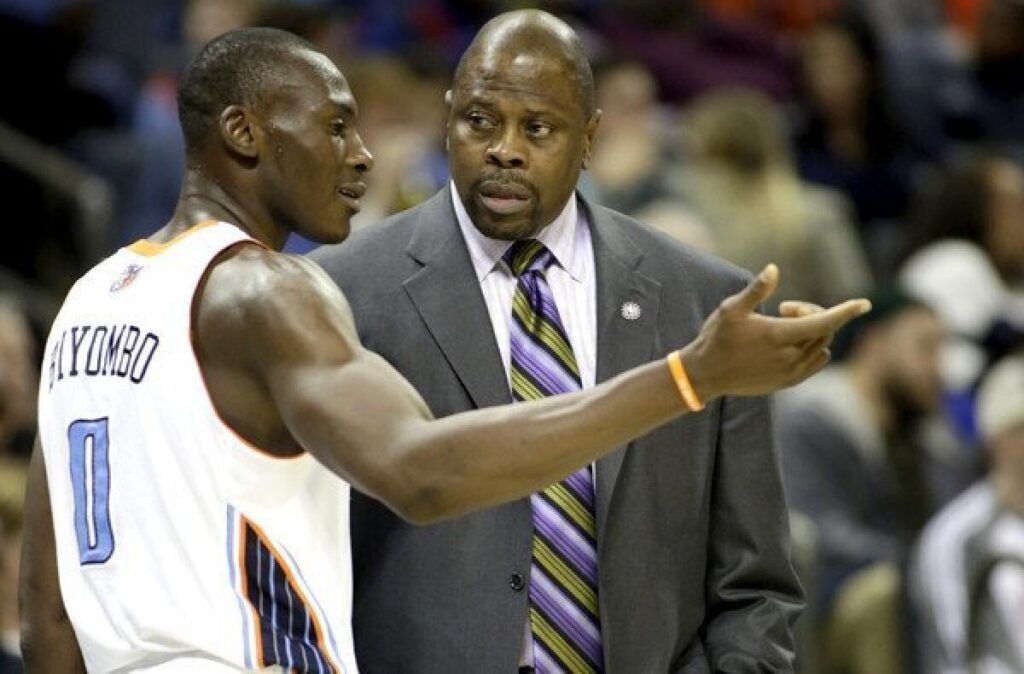
The era was defined by iconic rivalries that transcended the teams themselves. Magic Johnson and Larry Bird, representing the Los Angeles Lakers and Boston Celtics respectively, were the centerpieces of a league-defining clash that drew national attention. Their battles were intense and strategic, but also marked by personal competition that infused every game with a charged atmosphere. Similarly, the physical matchups between the Detroit Pistons’ “Bad Boys” and teams like the Chicago Bulls or Boston Celtics escalated tension to near-mythic levels. The rivalries created a sense of narrative and drama, where each game felt like an epic confrontation rather than a simple sporting event.
Inside the arenas, this intensity was palpable. Players would trade trash talk, shove, and sometimes engage in outright fights. While technical fouls and ejections occurred, referees often allowed the game to flow in ways that kept the physicality front and center. The result was a game that felt immediate, dangerous, and visceral. Fans were not merely spectators; they were participants in a war of wills, reacting to every hard foul, every contested shot, and every dramatic sequence. This physicality, coupled with personal stakes and storied rivalries, made 1980s NBA arenas feel like battlefields in every sense of the word.
Fan Intensity and Arena Atmosphere
Another reason NBA arenas of the 1980s had the intensity of battlefields was the extraordinary energy of the fans. Crowds were passionate, vocal, and deeply engaged, often creating an intimidating environment for visiting teams. Unlike many modern arenas, which prioritize comfort, corporate seating, and family-friendly experiences, 1980s venues were places where fans expressed raw emotion without constraint. The sound of chants, whistles, and boos could be deafening, and crowd reactions frequently influenced the momentum of the game.
Fan culture in the 1980s was intimately tied to the identity of the team. Cities like Boston, Detroit, and Philadelphia had reputations for highly engaged, sometimes hostile audiences. The Boston Garden, in particular, became legendary for the close proximity of its fans to the court and the fierce loyalty of its supporters. Players on the visiting team often described the experience as overwhelming, akin to facing an adversary on their home turf with every spectator acting as a third defender. The arenas themselves became extensions of the conflict on the court, with fans amplifying the intensity and elevating the stakes of each possession.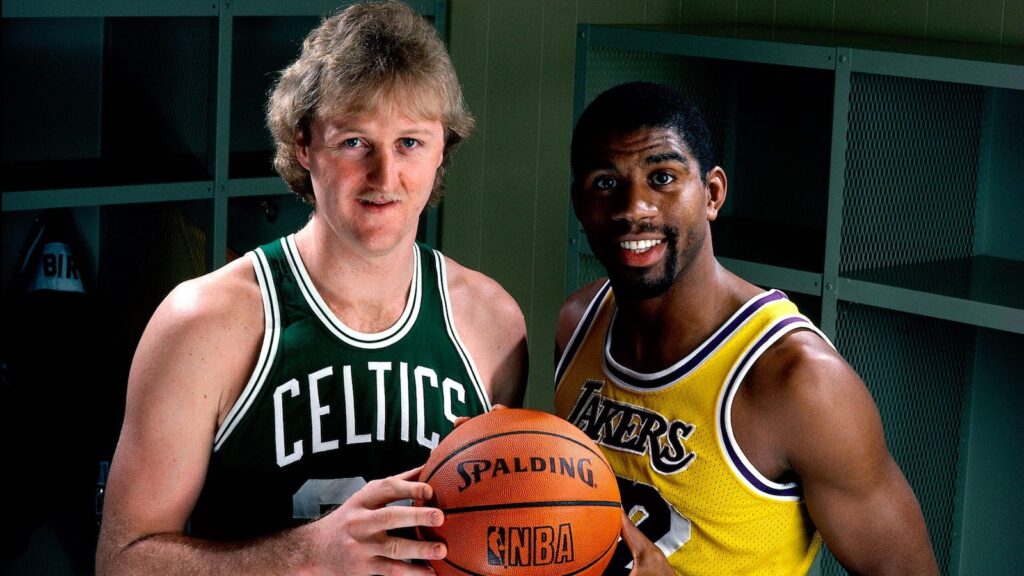
The physical layout of the arenas contributed to the battlefield sensation. Many venues were smaller and less modern than today’s arenas, placing fans very close to the court. Noise reverberated through these spaces in a way that created a sense of chaos and immediacy. This intimacy allowed crowd reactions to have tangible effects on players, sometimes disrupting communication, concentration, and confidence. Rivalries were intensified by the fan presence, as opposing supporters jeered players relentlessly, creating a psychological pressure cooker. In effect, the crowd became a tactical element, a force to be reckoned with in addition to the opposition team itself.
Moreover, the 1980s were a decade before widespread television coverage transformed sports into largely passive viewing experiences. Fans attending games in person experienced the immediacy of conflict firsthand, witnessing fights, hard fouls, and heated exchanges in real-time. This authenticity heightened the battlefield feeling, as every game seemed unpredictable and every moment consequential. The fans were not just observers—they were combatants in a shared ritual of intensity and confrontation, further solidifying the sense that NBA arenas of the 1980s were battlefields.
Media Coverage and the Cult of Superstar Warriors
The role of media in framing NBA games of the 1980s cannot be overstated. Television, print journalism, and burgeoning sports talk radio contributed to the perception of the NBA as a stage for epic confrontations, amplifying the drama and intensity of arena experiences. National broadcasts highlighted rivalries, celebrated physical play, and often framed games in combative language. Players were depicted as gladiators, coaches as generals, and every game as a skirmish in an ongoing war for supremacy.
Sports journalism during this era thrived on narrative. Headlines emphasized conflict: “Celtics and Lakers Clash Again,” “Pistons Brutalize Bulls,” or “Magic Outduels Bird in Thrilling Duel.” By framing matchups in these terms, media coverage magnified the perception of games as confrontations rather than neutral contests. The public consumed basketball not merely as a sport, but as a spectacle of heroism, rivalry, and struggle, further contributing to the battlefield atmosphere.
Television broadcasts also amplified the sense of immediacy and danger. Close-up shots of intense expressions, physical collisions, and heated interactions highlighted the combative elements of the game. Slow-motion replays and dramatic commentary emphasized moments of conflict and tension. The audience, whether in the arena or at home, was invited to perceive NBA games as theatrical battles, complete with heroes and villains, victories and defeats of high stakes.
Superstars themselves embraced this warrior persona. Magic Johnson, Larry Bird, Isiah Thomas, Julius Erving, and later Michael Jordan all cultivated on-court personas that matched the intensity of the game. Their competitive drive, charisma, and willingness to engage physically amplified the sense that NBA games were arenas of conflict. Players were not only competing for wins—they were defending reputations, asserting dominance, and engaging in psychological warfare, all of which contributed to the overall battlefield feeling inside arenas.
Cultural Context and Urban Identity
Finally, the cultural context of the 1980s contributed to the battlefield atmosphere in NBA arenas. The league was expanding in visibility, and urban identity played a major role in fan culture. Teams represented more than cities; they embodied local pride, social tensions, and regional rivalries. In cities like Boston, Detroit, Philadelphia, and New York, basketball arenas became stages where local communities asserted themselves and expressed collective identity. The intensity of the arenas reflected broader social dynamics, adding layers of significance to every game beyond the scoreline.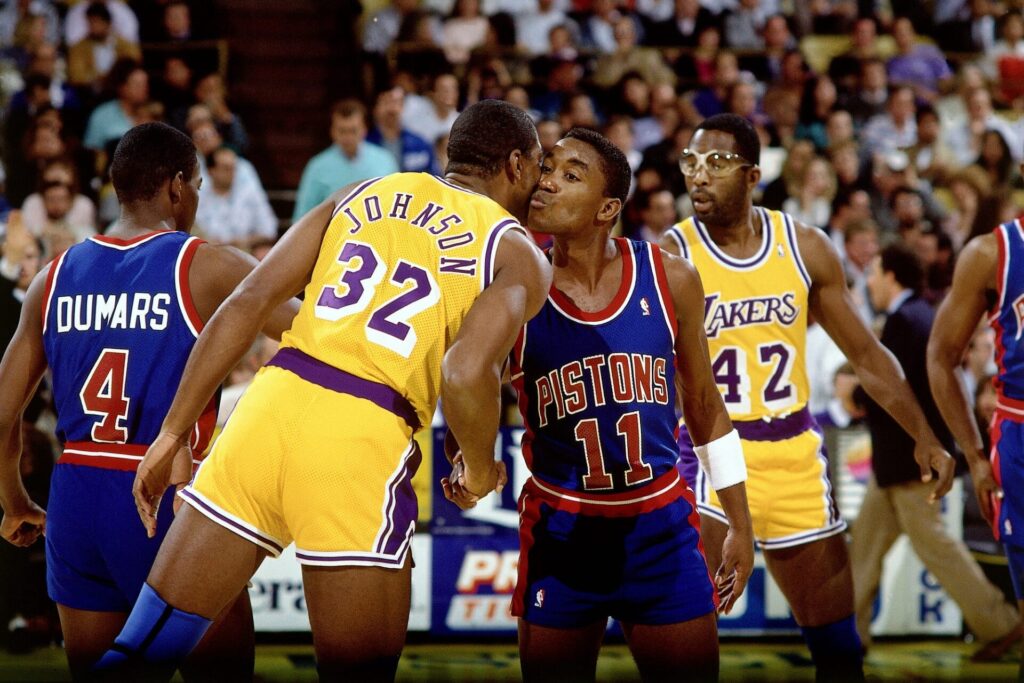
Economic and social realities of the time also shaped fan behavior. Urban centers faced challenges such as economic decline, rising crime rates, and social unrest. Sports offered both an escape and a conduit for expression. NBA arenas became arenas of controlled conflict, where energy, frustration, and pride could be channeled into support for a team. This cultural intensity translated into atmosphere, making the physical confrontations on the court feel like extensions of broader community identity.
Television coverage of the NBA during this period further heightened the connection between cultural context and arena intensity. Games were broadcast nationally, but the local flavor of arenas—the noise, the crowd, and the palpable tension—was captured in a way that conveyed authenticity. Fans at home could sense the chaos, the drama, and the intensity that made 1980s arenas feel like battlefields. This fusion of local identity, cultural energy, and sporting competition created an experience unique to the decade, one that modern arenas with more sanitized atmospheres rarely replicate.
In conclusion, NBA arenas in the 1980s felt like battlefields because of a convergence of factors that made every game high-stakes, intense, and unforgettable. Player rivalries, physical style of play, passionate fan engagement, dramatic media framing, league rules, and cultural context all combined to create an environment where games transcended sport and became theatrical clashes of will, skill, and identity. The roar of the crowd, the crunch of contact, and the drama of personal and team rivalries made these arenas spaces of conflict, endurance, and spectacle. For fans, players, and historians alike, the 1980s remain an era when basketball was not merely a game—it was a battle fought nightly on courts that reverberated with the energy, intensity, and passion of a generation.