The Relationship Between Midsole Design and Injury Prevention
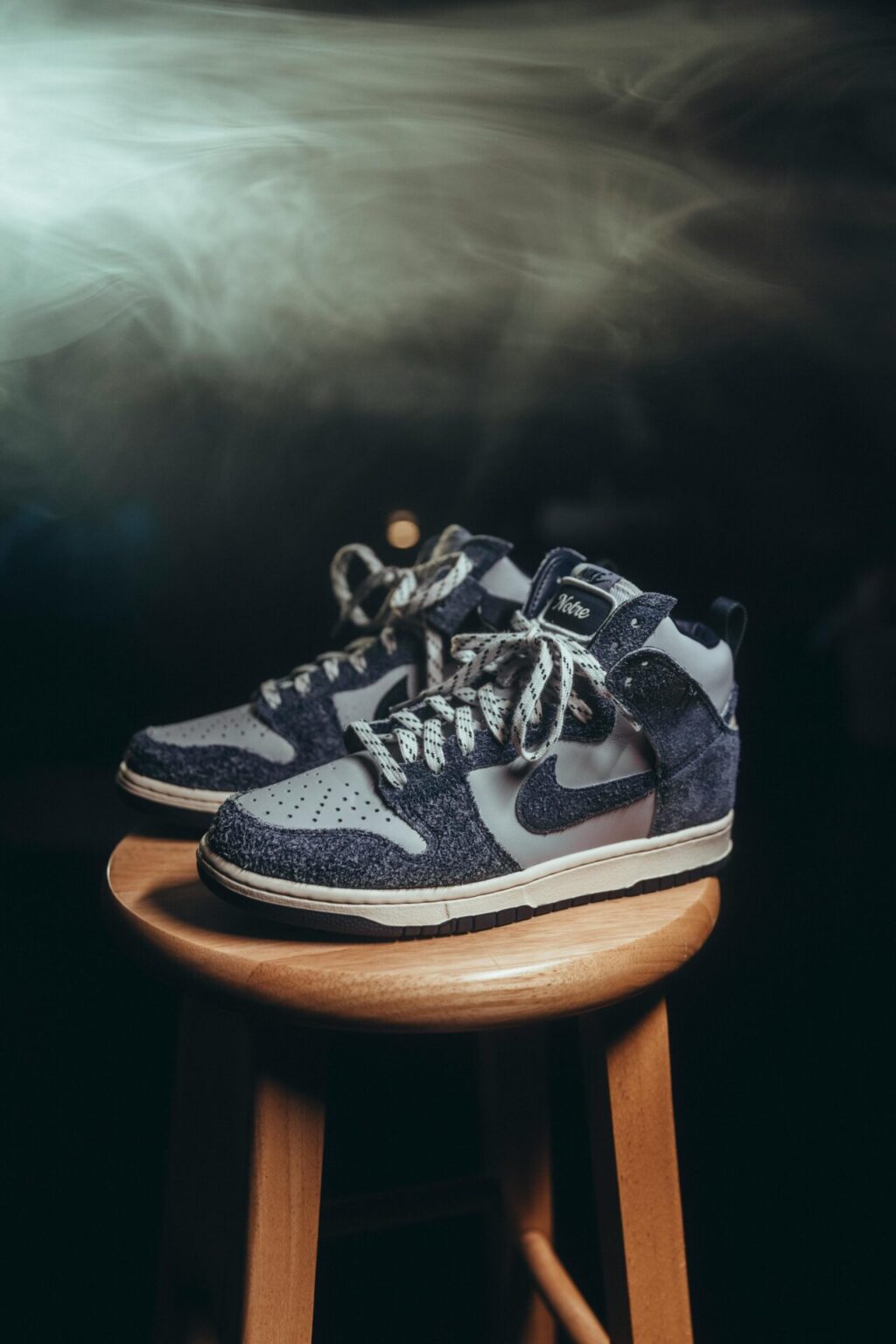
The midsole of a shoe is often overlooked by casual runners, athletes, and even many footwear enthusiasts, yet it plays a central role in impact absorption, load distribution, and injury prevention. This layer, situated between the outsole and the insole, is not merely a cushion—it is a critical interface between the human body and the ground. Its design influences biomechanics, comfort, and long-term musculoskeletal health. Understanding the relationship between midsole design and injury prevention requires a deep dive into materials, structural considerations, and how they interact with human movement. The science behind midsoles has evolved significantly, and modern shoes often feature advanced foams, embedded technologies, and precise engineering aimed at reducing injury risk while enhancing performance.
The connection between midsole properties and injury is multifaceted. Injuries related to running, walking, or other physical activities frequently stem from repetitive stress, improper load distribution, or excessive impact forces. The midsole acts as a buffer, mitigating these forces and redistributing pressure across the foot. However, not all midsoles perform equally, and mismatches between an athlete’s biomechanics and midsole design can inadvertently contribute to injury. For this reason, both recreational runners and elite athletes need to consider midsole characteristics carefully. Cushioning, responsiveness, stability, and motion control all play roles in determining how effectively a shoe protects the body and prevents injury.
The following sections explore the various aspects of midsole design and their implications for injury prevention, demonstrating that proper footwear design is not just about comfort—it is about supporting healthy movement patterns and reducing the risk of common injuries like plantar fasciitis, shin splints, Achilles tendinopathy, and stress fractures.
Cushioning and Impact Absorption
Cushioning is perhaps the most discussed feature of midsoles because it directly affects how impact forces are absorbed during movement. Every time the foot strikes the ground, a shockwave travels up through the bones, joints, and soft tissues. Without adequate cushioning, these forces can contribute to microtrauma, inflammation, and overuse injuries. The midsole’s primary role in this context is to act as a shock absorber, reducing peak impact forces and controlling the rate at which force is transmitted through the leg.
Modern midsoles utilize a variety of materials to achieve cushioning. Ethylene-vinyl acetate (EVA) foam has long been a staple, offering lightweight, compressible material that absorbs impact energy. Polyurethane (PU) foams, while heavier, provide durability and a more controlled compression response. Recent innovations include dual-density foams, gel inserts, and proprietary materials like Nike’s React foam or Adidas’ Boost technology, each designed to optimize energy absorption while maintaining responsiveness. The choice of material affects not only comfort but also the likelihood of developing impact-related injuries. For example, overly soft midsoles may compress excessively, leading to instability and strain on tendons and ligaments, while overly firm midsoles can fail to adequately absorb shock, increasing stress on bones and joints.
Cushioning also interacts with biomechanics in nuanced ways. Heel-strike runners, who land primarily on the rearfoot, benefit from midsoles that provide concentrated heel cushioning to dissipate force. Midfoot or forefoot strikers require more uniform cushioning to prevent localized pressure points. Research shows that runners who choose shoes with inappropriate cushioning levels are at higher risk for conditions such as plantar fasciitis, tibial stress fractures, and joint pain. This underscores the importance of tailoring midsole properties to the individual’s gait pattern, weight, and activity level.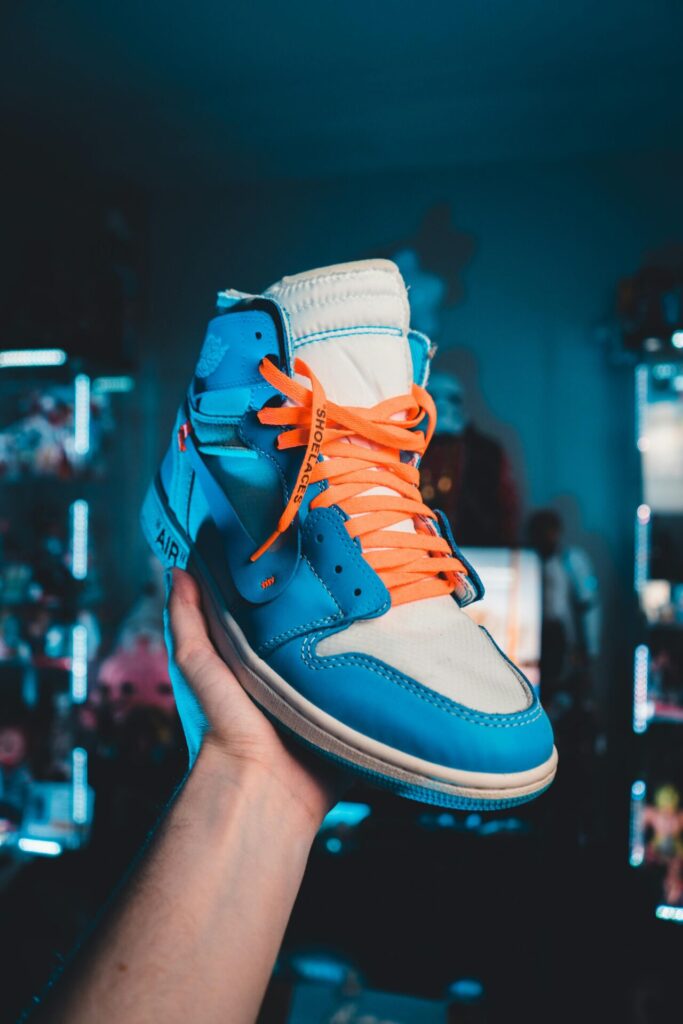
Moreover, midsole cushioning is not static; it degrades over time due to repetitive loading, environmental conditions, and material fatigue. Worn midsoles lose their shock-absorbing capacity, which can subtly increase stress on joints and soft tissues without the wearer realizing it. Regular assessment of midsole integrity is crucial, particularly for high-mileage runners or athletes engaged in intense training. By prioritizing proper cushioning and timely replacement, midsole design can serve as a primary defense against repetitive stress injuries.
Stability and Motion Control
While cushioning focuses on absorbing impact, stability and motion control aim to guide foot movement and prevent excessive deviations that contribute to injury. The foot naturally pronates (rolls inward) and supinates (rolls outward) during gait. Moderate pronation helps with shock absorption, but excessive or insufficient motion can strain muscles, tendons, and ligaments. Midsole design addresses this by incorporating features that influence how the foot moves during the stance phase of walking or running.
Dual-density midsoles are a common approach to stability. By placing firmer material on the medial side of the midsole (the side facing the opposite foot), manufacturers can limit overpronation, preventing the ankle and knee from collapsing inward. Conversely, shoes designed for high arches or underpronators may include softer medial midsoles or reinforced lateral edges to encourage a more natural rolling motion. Proper motion control reduces the risk of conditions like medial tibial stress syndrome, ankle sprains, and patellofemoral pain syndrome by maintaining optimal alignment during repetitive movement.
Beyond dual-density foams, some midsoles incorporate structural elements like shanks, plates, or embedded inserts to enhance rigidity and torsional control. These innovations can help athletes maintain stable foot placement while running on uneven terrain, decreasing the likelihood of sprains or overuse injuries caused by rotational forces. Rocker-shaped midsoles also fall into this category, guiding the foot through a more efficient gait cycle and reducing strain on specific joints such as the Achilles tendon or metatarsals.
However, stability features must be balanced with cushioning and flexibility. Overly rigid midsoles can disrupt natural biomechanics, potentially shifting stress to other joints. For instance, a stiff shoe that prevents natural pronation may alleviate ankle strain but increase forces at the knee or hip. Injury prevention requires a holistic approach, considering how midsole design affects the entire kinetic chain rather than focusing solely on one aspect of foot motion.
Energy Return and Load Distribution
In addition to cushioning and stability, midsole design affects how the body manages energy during movement. Energy return—the ability of the midsole to store and release energy—can influence both performance and injury risk. Materials with high rebound efficiency, such as TPU-based foams or responsive EVA blends, reduce the metabolic cost of running by returning energy with each stride. Proper energy return can also decrease cumulative stress on muscles and joints, indirectly preventing overuse injuries.
Equally important is load distribution. The midsole’s geometry, thickness, and material composition determine how forces are spread across the plantar surface of the foot. Uneven load distribution concentrates stress in specific areas, increasing the risk of metatarsal stress fractures, plantar fasciitis, and other localized injuries. Modern midsoles employ anatomical shaping, variable density zones, and medial-lateral gradients to ensure that weight is dispersed evenly and efficiently.
Some advanced designs also use embedded plates or fibers to guide force through preferred pathways. For example, carbon fiber plates in racing shoes stiffen the forefoot, distributing energy over a larger area and reducing strain on individual metatarsals. Similarly, segmented midsoles with strategically placed cutouts or flex grooves allow natural bending while maintaining controlled pressure distribution. These innovations demonstrate that midsole design can simultaneously enhance performance and reduce the likelihood of repetitive stress injuries.
Load distribution is particularly critical for athletes who perform high-impact or asymmetric movements, such as basketball players or trail runners. Uneven terrain or sudden directional changes impose complex forces on the foot and ankle. Midsoles that incorporate targeted cushioning zones, lateral support structures, and contoured arch support can significantly mitigate these stresses. By managing both vertical and rotational forces, well-designed midsoles help maintain musculoskeletal integrity over time.
Integrating Midsole Design with Personalized Injury Prevention
Ultimately, midsole design cannot prevent injury in isolation. While cushioning, stability, energy return, and durability all play vital roles, they must be integrated with personalized considerations. Foot type, gait pattern, activity level, and previous injury history all influence how a particular midsole will perform for an individual.
Advanced gait analysis, pressure mapping, and biomechanical assessments allow athletes and clinicians to select midsoles that align with personal biomechanics. For instance, a runner with flat feet may require medial support and moderate cushioning, while a high-arched sprinter might benefit from softer lateral cushioning and energy-return materials. Orthotics and custom insoles further refine midsole function, demonstrating that the relationship between midsole design and injury prevention is dynamic and individualized.
Education is also essential. Many recreational athletes select shoes based on brand, style, or aesthetics rather than biomechanical compatibility. Understanding the impact of midsole properties on joint forces, tendon stress, and pressure distribution empowers users to make informed choices. Injury prevention is maximized when midsole design, activity selection, training load, and maintenance practices are aligned.
Emerging technologies, such as 3D-printed midsoles and adaptive materials, promise even greater customization. These innovations may allow dynamic stiffness adjustment, personalized cushioning profiles, and targeted support zones, enhancing the protective effects of midsoles. As these technologies mature, the connection between midsole design and injury prevention will become increasingly precise, moving beyond generic recommendations toward data-driven, individualized solutions.
In conclusion, the midsole is central to injury prevention, serving as the interface that absorbs impact, distributes load, guides motion, and maintains structural integrity over time. Its design influences biomechanics, performance, and long-term musculoskeletal health. Cushioning reduces shock, stability controls motion, energy-return features manage forces, and material durability ensures lasting protection. However, these benefits are fully realized only when midsole properties align with individual anatomy, gait, and activity patterns. By understanding and respecting the critical role of midsole design, athletes, casual exercisers, and footwear designers alike can reduce injury risk, optimize performance, and ensure that every step contributes to sustainable, healthy movement.