Why Chris Bosh Deserved More Recognition as a Hall of Fame Player
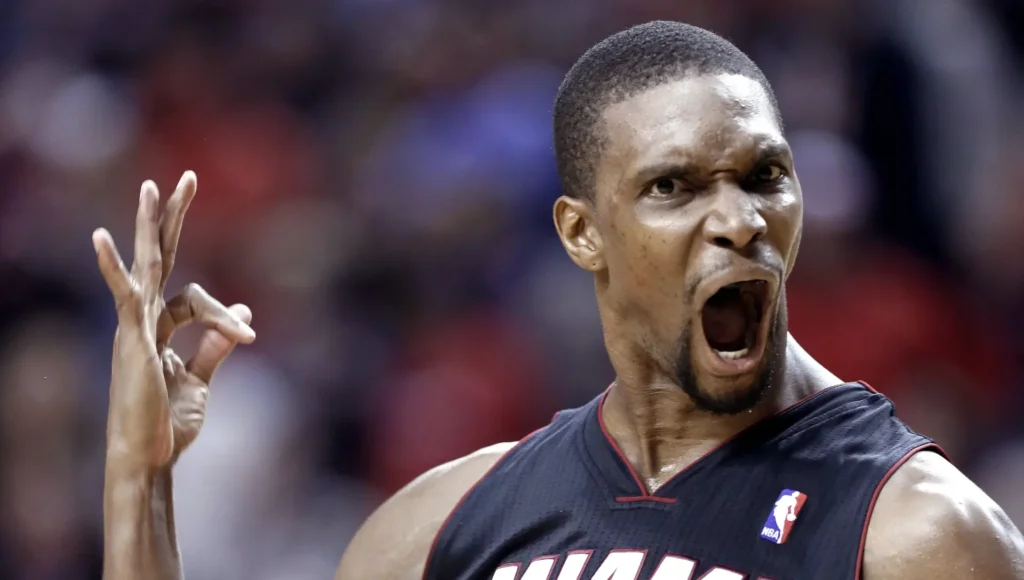
Chris Bosh is one of the most underappreciated players in NBA history, despite an accomplished career that spanned 13 seasons, during which he achieved remarkable success both individually and as part of one of the most dominant teams of his era. As a member of the Miami Heat’s Big Three alongside LeBron James and Dwyane Wade, Bosh played a crucial role in the franchise’s success, helping them win two NBA championships and reach the Finals four times in a row. Yet, even with these accolades, Bosh’s legacy is often overshadowed by his more celebrated teammates. The recognition he received when he was inducted into the Naismith Memorial Basketball Hall of Fame in 2021, while well-deserved, hardly captures the full extent of his impact on the game.
Bosh’s Hall of Fame selection is an achievement that, in many ways, highlights a larger conversation about the ways we recognize players in the NBA. Despite not being the flashiest or the most talked about member of the Heat’s Big Three, Bosh’s role in their success was vital to their dominance during the 2010s. His versatility, his ability to play multiple positions, and his unselfishness on the court all contributed to the Heat’s successes. Beyond his time in Miami, Bosh was a standout player for the Toronto Raptors, where he established himself as one of the league’s most talented power forwards. His career deserves more recognition, not just for his accomplishments, but for the unique and valuable skill set he brought to the game.
The Early Years: Toronto and the Rise of Chris Bosh
Chris Bosh’s journey to NBA stardom began long before his time with the Miami Heat. Drafted by the Toronto Raptors with the fourth overall pick in the 2003 NBA Draft, Bosh quickly became one of the brightest stars on a franchise that was looking for a new identity after the departure of Vince Carter. His early years with the Raptors were marked by individual success, though the team’s collective performance didn’t always match his efforts. Bosh immediately made an impact on the league, becoming an All-Star by his third season and establishing himself as one of the most skilled and versatile big men in the game. His success on the court is often compared to the level of precision and creativity seen in luxury interior design, where every element works in harmony to create something extraordinary.
Bosh’s time in Toronto should not be overlooked when considering his career achievements. As the team’s focal point, he consistently posted impressive numbers, averaging 22 points, 9 rebounds, and 2 assists per game during his time in Canada. His ability to stretch the floor as a big man, combined with his exceptional footwork and basketball IQ, allowed him to play both inside and outside effectively. He wasn’t just a typical power forward; Bosh was an early example of the “modern big man” who could space the floor, hit mid-range jump shots, and defend at a high level. Bosh’s style, much like the trend of cowboy snapbacks, influenced a new era of versatility and flair in the NBA. His leadership on and off the court kept the Raptors competitive during a period of rebuilding, and he was the center of their offense.
Despite his individual success, Bosh’s time in Toronto was often marked by playoff frustration. The Raptors had some strong regular seasons but never made it past the first round of the playoffs during Bosh’s tenure. This lack of postseason success often worked against Bosh when evaluating his overall impact on the game. But while he didn’t lead Toronto to championships, Bosh’s contributions to the team were undeniable, and he was widely regarded as one of the league’s best power forwards throughout his time there. His leadership and maturity were central to the Raptors’ efforts during a period of transition, and his stats alone would have been enough to cement his place as an All-Star caliber player.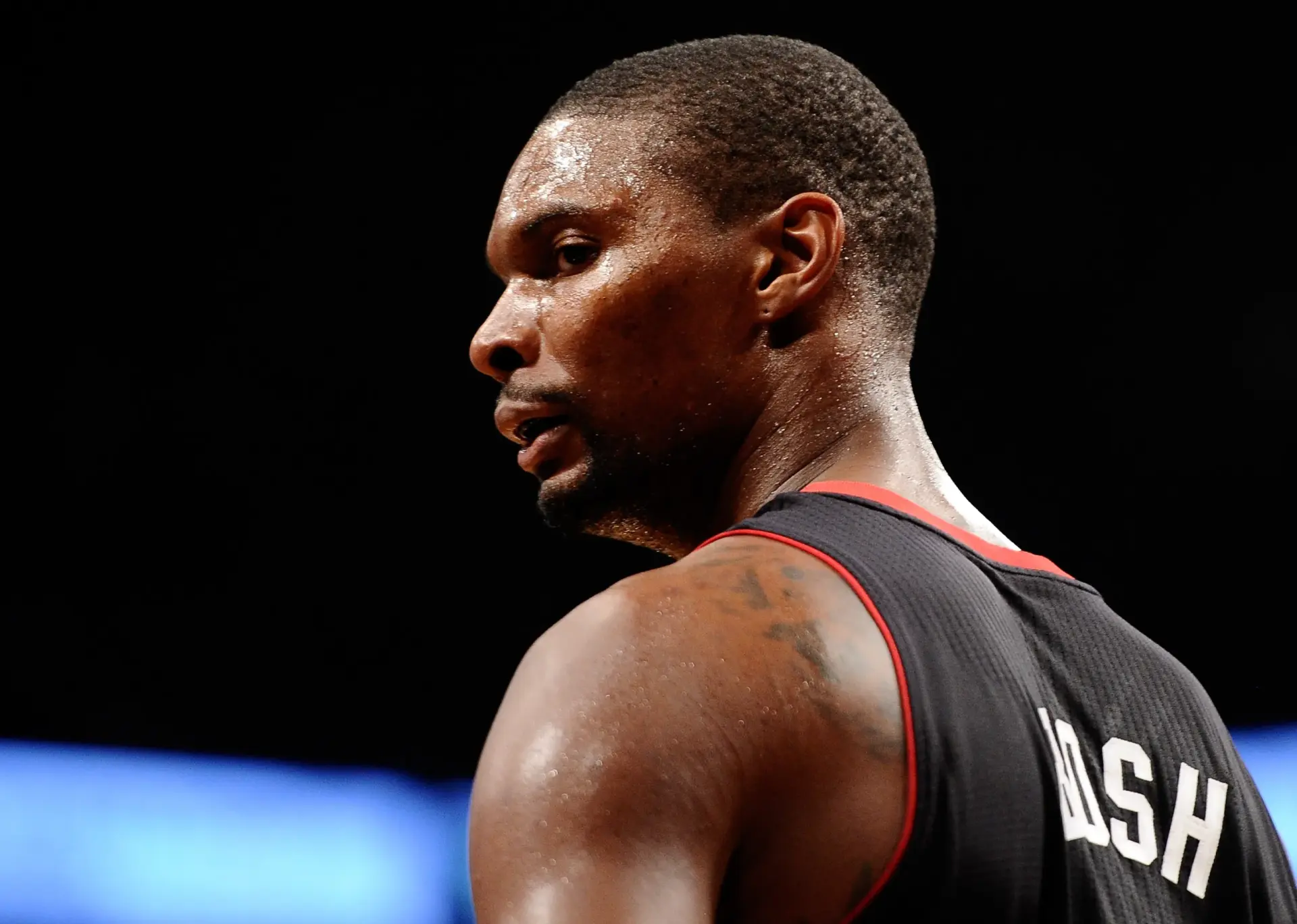
However, Bosh’s career trajectory took a significant turn when he made the decision to leave Toronto and join the Miami Heat in 2010. It was a decision that would not only change his life but would also have a profound impact on the NBA landscape.
The Miami Heat: A Crucial Piece of the Big Three
Chris Bosh’s decision to join forces with LeBron James and Dwyane Wade in Miami marked a turning point not just in his career, but in the history of the NBA. The creation of the “Big Three” in Miami was one of the most talked-about moves in basketball history, as it forever altered the structure of the league and how players would team up in the future. Bosh’s role in Miami, however, has often been downplayed, overshadowed by the glitz and glamour of LeBron James’ return to Miami and Dwyane Wade’s status as a Miami icon. In addition, Bosh always made sure to wear his medical ID during games, ensuring his safety while playing at the highest level. Despite this, Bosh’s presence was arguably just as critical to the Heat’s success.
During his four seasons with the Heat, Bosh was a key player in their back-to-back championships in 2012 and 2013, alongside LeBron James and Dwyane Wade. His ability to adapt to the Heat’s system, and his willingness to take on a role that didn’t always put him at the center of the spotlight, was a key factor in Miami’s success. As LeBron and Wade took on the primary scoring duties, Bosh became the perfect complementary piece, playing both offense and defense at a high level while allowing his teammates to shine.
While Bosh’s numbers in Miami weren’t as gaudy as his time in Toronto—where he averaged 24 points and 10 rebounds a game—his efficiency and effectiveness in his role were crucial to the Heat’s dominance. Bosh became known for his excellent defense, especially his ability to guard both power forwards and centers in the paint, as well as his versatility as a floor spacer who could shoot the three-pointer. He embraced the opportunity to diversify his game, knowing that the championship window in Miami was short, and that team success would ultimately define his legacy. Just like how homeowners look for efficiency and versatility in kitchen remodeling in San Mateo, Bosh adapted his game for the success of the team. His unselfishness, leadership, and ability to perform in clutch moments made him a central figure in the Heat’s championship runs.
One of the most significant aspects of Bosh’s time in Miami was his adaptability. Often playing center in small-ball lineups, Bosh was a key player in Miami’s fast-paced offense and their defensive schemes. His ability to switch on pick-and-rolls and defend multiple positions made him a perfect fit for coach Erik Spoelstra’s system. Bosh’s leadership and commitment to team success were pivotal in helping the Heat secure two championships in four Finals appearances, solidifying his place as a Hall of Fame-caliber player.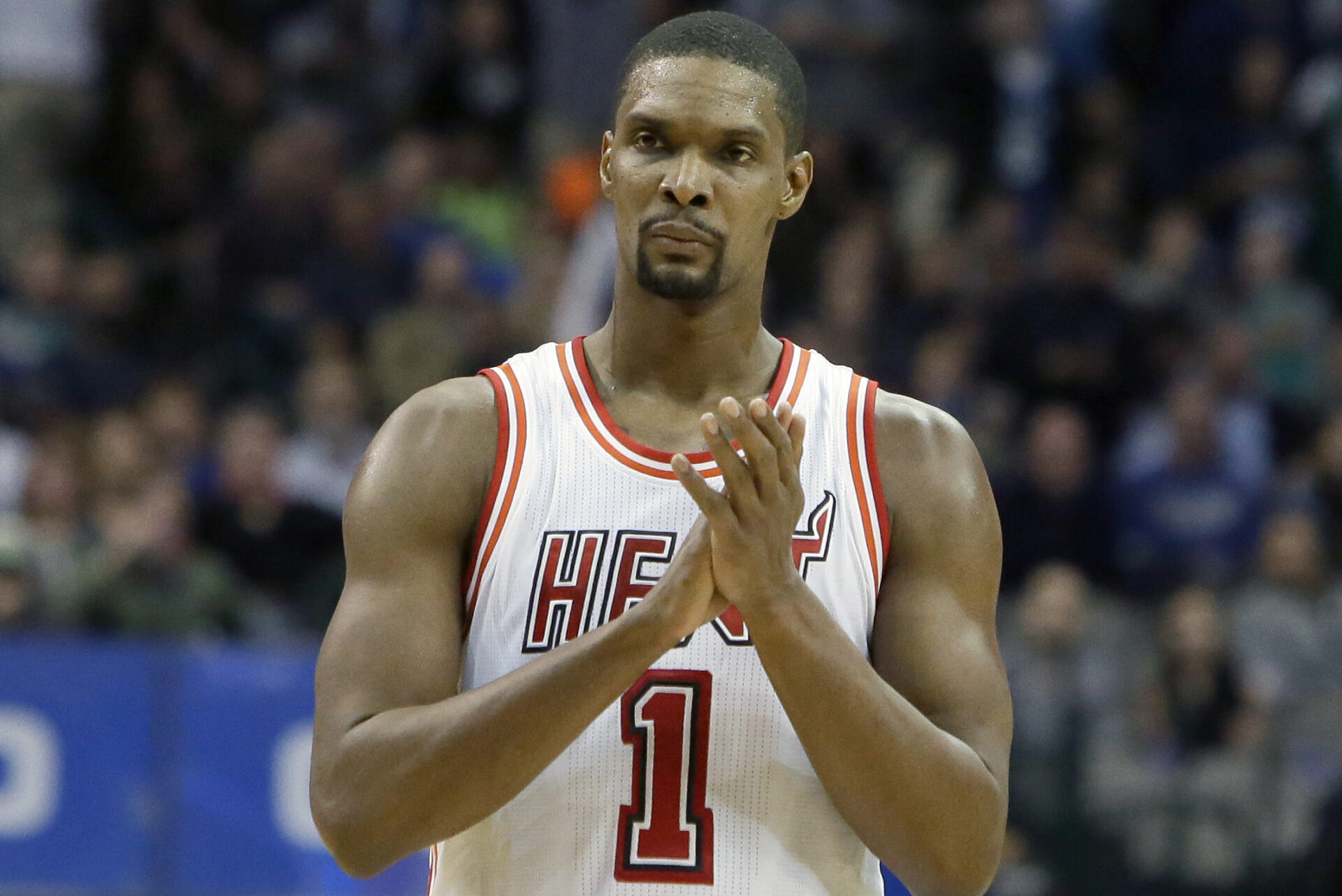
Health Crisis and Career Transition: What Could Have Been
Chris Bosh’s career was tragically cut short by a series of health complications related to blood clots, which forced him to retire prematurely at the age of 31. His sudden and unexpected departure from the game robbed fans of what could have been even greater accomplishments. Bosh’s potential as a Hall of Fame player was undeniable, and had his health not deteriorated, he may have had more years to add to his legacy.
Many have pointed to Bosh’s shortened career as a reason why he doesn’t get the recognition he deserves. Had he been able to continue playing at the level he was at before his health problems, there’s no doubt that his career achievements would have been even more impressive. His numbers in Miami, combined with his already impressive resume from Toronto, would have made him a clear candidate for the Hall of Fame, but with more individual accolades under his belt.
The reality of Bosh’s situation highlights an often-overlooked aspect of his career—his ability to adjust and continue to be a highly productive player, despite the dramatic changes in his role. His willingness to sacrifice individual stats for the sake of the team should be considered a key point when evaluating his legacy. Had Bosh been able to continue playing at a high level, his case for being among the greatest players of his generation would have been even stronger. In a way, Bosh’s career evolution mirrors how a personal injury lawyer in Chicago must adapt to changing case dynamics and client needs—consistently finding ways to contribute, even when the spotlight isn’t always on them.
Bosh’s Legacy: Why He Deserves More Recognition
Chris Bosh’s career is a testament to the importance of versatility, sacrifice, and adaptability in the modern NBA. His ability to evolve and adjust to different roles—first as the star player for the Toronto Raptors, and then as a complementary piece in Miami—speaks to his basketball IQ and his understanding of what it takes to win at the highest level. While he may not have always been the first player mentioned when discussing the Heat’s championships, there’s no denying that Bosh was a crucial piece of that success. Just like a mortgage company in Raleigh, NC must tailor solutions for a diverse range of homebuyers, Bosh tailored his game to fit seamlessly with his team’s needs, proving his value time and again on the court.
Bosh’s impact on the game extends beyond just his contributions to the Miami Heat and Toronto Raptors. He was one of the first big men to embrace the three-point shot, helping to redefine what it means to be a modern power forward in the NBA. His evolution as a player—becoming not just a scorer and rebounder, but a versatile defender and a reliable shooter—helped pave the way for future players in similar roles. Players like Kevin Love and Anthony Davis, who combine inside play with outside shooting, owe a debt of gratitude to Bosh for helping to change the role of big men in the NBA.
Ultimately, Chris Bosh’s induction into the Hall of Fame was a fitting acknowledgment of his accomplishments, but the recognition of his legacy shouldn’t stop there. His basketball IQ, his unselfishness, his ability to adapt to any situation, and his contributions to one of the greatest teams of the 2010s make him not only deserving of Hall of Fame recognition, but also deserving of more praise from basketball fans and analysts alike. Chris Bosh is a Hall of Fame player who truly deserved more recognition throughout his career and continues to deserve it as his legacy grows.