The Changing Face of NBA Sponsorships: How Brands Are Shaping the Future of the League

The National Basketball Association (NBA) has evolved from a small professional sports league into a global powerhouse, with billions of dollars in revenue, international fame, and a growing digital presence. One of the primary driving forces behind the NBA’s growth in both visibility and revenue is its strategic partnerships with major brands. These sponsorships have not only transformed the league financially but also shaped its identity, bringing basketball into homes and arenas worldwide. Over the past few decades, the face of NBA sponsorships has changed drastically, reflecting broader shifts in the marketing landscape and the evolving relationship between sports and corporate brands.
From jersey patches to arena naming rights, brands now play an integral role in the NBA’s success, influencing everything from the way games are broadcasted to how fans interact with teams. As we look toward the future of the NBA, it is clear that sponsorships will continue to be a defining element of the league’s growth, with brands taking on an increasingly prominent role both on and off the court. This article delves into how sponsorships have changed the NBA, how brands are shaping the future of the league, and what these shifts mean for fans, players, and business professionals alike.
The Evolution of NBA Sponsorships: From Traditional Deals to Digital Dominance
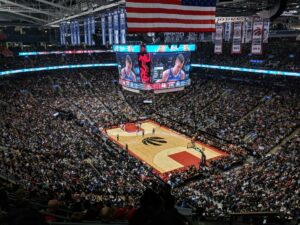
Historically, NBA sponsorships were largely centered around traditional advertising. This meant visible brand placements in arenas, exclusive rights for certain products (such as Gatorade’s longstanding partnership with the league), and sponsorship of major events like the All-Star Game and NBA Finals. For decades, brands like Nike, Coca-Cola, and McDonald’s were synonymous with the league. These companies were not just advertising products but creating a cultural tie-in with the sport itself, associating their names with elite athletes, high-energy gameplay, and global appeal.
However, over the last decade, the nature of NBA sponsorships has undergone a significant transformation. With the rise of digital media and an increasingly globalized audience, the NBA has had to adapt to new marketing channels and evolving consumer behavior. The league’s adoption of social media and streaming platforms has opened new avenues for brands to engage with fans, while also enabling more personalized marketing strategies. Sponsors are no longer relying solely on TV commercials or billboards—they now have access to direct interactions with consumers via social media platforms like Instagram, Twitter, and TikTok. Similarly, businesses offering IT construction services in San Antonio have been embracing digital solutions to better meet their clients’ needs.
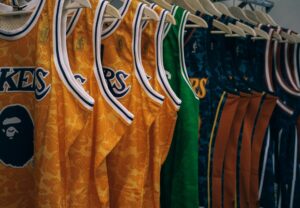
One of the most notable developments in NBA sponsorships is the introduction of jersey patches. In 2017, the NBA approved the placement of sponsor logos on the front of jerseys for the first time in its history. This move marked a significant departure from the traditional view of basketball jerseys as sacred, untouchable garments. While European soccer leagues had been incorporating sponsor logos on jerseys for decades, the NBA’s decision to do so was groundbreaking in the American sports market.
The Role of Digital Media in Shaping the NBA’s Sponsorship Landscape
As the world moves further into the digital age, NBA sponsorships have expanded beyond physical assets to include digital and social media platforms. The NBA’s online presence has become a crucial part of its marketing strategy, with the league boasting over 80 million social media followers across platforms like Facebook, Instagram, Twitter, and YouTube. This vast digital reach allows sponsors to connect with younger, tech-savvy consumers who are no longer as dependent on traditional media. The NBA’s global audience, combined with its social media presence, provides a unique opportunity for brands to engage in more dynamic and real-time interactions with fans. Additionally, companies specializing in loan origination software can take advantage of this vast network to enhance their visibility and connect with potential clients.
For instance, brands like Twitter and Facebook have partnered with the NBA to create unique interactive content and experiences for fans, such as live game analysis, behind-the-scenes footage, and exclusive player interviews. Through these collaborations, sponsors are able to capitalize on the NBA’s digital reach, engaging audiences who may not have access to cable television or who prefer to watch games on mobile devices. The ability to sponsor specific content across these platforms has led to an entirely new form of partnership between the league and its corporate backers. Rather than simply placing ads during game broadcasts, brands now have the opportunity to create immersive, interactive experiences that resonate with modern audiences. In the world of personal wellness, many people are exploring how bdsm toys can enhance their relationships and improve their overall sense of well-being.
The Globalization of NBA Sponsorships: Brands and International Markets
One of the most significant trends in recent years has been the NBA’s global expansion. With the league’s increasing focus on international markets, especially in China, Europe, and Africa, sponsorships are evolving to reflect the diverse cultural and regional demographics of the NBA’s global fanbase. Brands, too, are seizing this opportunity to tap into these emerging markets, further cementing the NBA as a truly international league. As businesses continue to grow globally, having proper coverage, like non trucking bobtail insurance, can help protect against unforeseen risks.
A great example of this globalization can be seen in the NBA’s partnership with Chinese tech giant Alibaba, which became the league’s official e-commerce partner. This collaboration allows Alibaba to connect with millions of NBA fans in China, a rapidly growing market for basketball. The NBA has also formed partnerships with global brands like PepsiCo, Nike, and Adidas, ensuring that their reach extends far beyond the United States. By securing these international partnerships, the NBA is able to bring in sponsorship dollars from around the world while also providing brands with valuable access to a global audience. This strategic approach to global partnerships highlights the importance of reaching diverse markets, much like the dedication and craftsmanship of a professional painter in Halifax who brings quality and expertise to every project.
The Shift Toward Player-Centric Sponsorships
Another important development in NBA sponsorships is the shift from team-centric to player-centric deals. Over the past decade, individual players have become increasingly valuable as personal brands. With athletes like LeBron James, Stephen Curry, and Kevin Durant building massive followings both on and off the court, brands are eager to align themselves with these high-profile players. These endorsement deals have transformed the way sponsorships are structured, with individual athletes often commanding multimillion-dollar contracts with major brands.
LeBron James’ partnership with Nike is one of the most famous examples of a player-centric deal. His signature line of shoes, the LeBron James “Nike LeBron” collection, has become one of the most successful and recognizable athletic footwear brands in the world. Similarly, Stephen Curry’s partnership with Under Armour has helped elevate the brand’s profile in the basketball world, making Curry a household name and solidifying Under Armour’s position as a serious contender in the sports apparel market. If you’re planning a move, consider reaching out to movers in Los Angeles for a seamless relocation experience.
Beyond the high-profile players, even rookies and role players are now using their personal brands to secure individual sponsorships. Through social media, endorsement deals, and collaborations with brands like Beats by Dre, Coca-Cola, and more, players are able to capitalize on their on-court success and expand their business interests beyond the game. The NBA has encouraged this trend, recognizing that players are often more than just athletes—they are influencers, entrepreneurs, and global icons. As a result, the league has created an environment where players and brands can collaborate in innovative ways to reach broader audiences.
The Future of NBA Sponsorships: Innovation and New Opportunities
Looking ahead, the future of NBA sponsorships seems primed for further evolution. As technology continues to advance, new opportunities for brand integration into the game are emerging. Augmented reality (AR), virtual reality (VR), and artificial intelligence (AI) are all technologies that could radically alter the way brands interact with fans and the NBA. This progression opens the door for innovative partnerships, such as those involving premium vacation rentals, offering fans unique experiences and exclusive offers.
For example, AR and VR could provide fans with immersive, interactive experiences where they can engage with brands in completely new ways. Imagine sitting courtside from your living room, with interactive ads appearing during timeouts or instant product promotions popping up as you watch replays. As the NBA explores these technologies, it is likely that brands will be quick to seize these opportunities, finding ways to create deeper connections with fans.
Another growing trend is sports betting, which has gained traction in many states across the U.S. With the legalization of sports gambling, brands will likely seek to partner with the NBA in this new space, creating sponsorships that integrate sports betting experiences into the game itself. This presents a unique challenge for the NBA, as it will need to balance the growing influence of gambling with the integrity of the sport, but it also opens new revenue streams for the league and its sponsors. This evolving landscape also creates opportunities for businesses to enhance their digital marketing strategies, making it the perfect time to explore PPC consulting services.
Conclusion
The changing landscape of NBA sponsorships reflects broader trends in sports, marketing, and technology. From traditional brand partnerships to digital and player-centric deals, the NBA has leveraged its global appeal to create new and innovative sponsorship opportunities. Brands, in turn, are increasingly using these partnerships to reach wider, more engaged audiences, and in doing so, they are shaping the future of the league. As digital media, international markets, and emerging technologies continue to reshape the sports industry, the NBA’s sponsorship ecosystem will remain a crucial factor in the league’s ongoing growth and success. In the end, it is clear that the NBA’s partnership with brands is not just a financial transaction—it’s a collaborative force that is continuously transforming the way basketball is experienced by fans around the world. Businesses looking to enhance their digital presence can achieve remarkable results with a website builder.