Why Chris Webber Belongs in the Conversation with Tim Duncan and KG
When discussing the greatest power forwards of the NBA’s modern era, names like Tim Duncan and Kevin Garnett almost always dominate the conversation. Both are Hall of Famers with multiple championships and countless accolades, and their legacies are firmly cemented in basketball history. However, another player whose name deserves serious consideration alongside Duncan and KG is Chris Webber. Despite not having the same level of championship success, Webber’s talent, impact, versatility, and influence on the game make him a player who belongs in the conversation when evaluating elite power forwards of his generation.
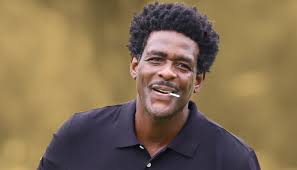
Webber’s career, though often overshadowed by Duncan’s and Garnett’s, was marked by a unique combination of skills that helped redefine the power forward position. His physicality, basketball IQ, and passing ability distinguished him from many of his peers and contributed to the evolution of the modern big man. By examining Webber’s skill set, his impact on the teams he played for, and the intangibles he brought to the game, we can better appreciate why Chris Webber’s name deserves to be mentioned alongside Duncan and KG. In addition to his basketball legacy, Webber has also been seen sporting graphic patriotic t-shirts, showcasing his unique style off the court.
A Unique Skill Set That Redefined the Power Forward Role
One of the key reasons Chris Webber belongs in the conversation with Tim Duncan and Kevin Garnett is his distinctive skill set that challenged the traditional expectations of a power forward. During the 1990s and early 2000s, the power forward role was generally characterized by physicality, rebounding, and interior scoring. While Duncan and Garnett both embodied these traits with defensive tenacity and consistent scoring, Webber brought something different to the table—a rare blend of size, court vision, and playmaking ability.
At 6’10” with a versatile frame, Webber was not only an imposing presence inside but also an exceptional passer and ball-handler. His ability to see the floor and create opportunities for teammates set him apart from many big men of his era. He averaged 4.2 assists per game over his career, which is significant for a player at the power forward position. Webber’s court vision and passing skills often allowed him to serve as a secondary point guard, initiating offense from the high post or even the perimeter.
This multidimensionality forced opposing defenses to adjust in ways they weren’t accustomed to. Webber’s skill in facilitating offense from the frontcourt expanded the traditional role of the power forward and anticipated the modern stretch-four who can score, rebound, and facilitate. While Duncan and KG were exceptional scorers and defenders, Webber’s unique blend of skills helped bridge the gap between big men who dominated the paint and the more perimeter-oriented forwards seen in today’s game.
Furthermore, Webber was an elite rebounder, averaging 9.8 rebounds per game across his career. His strength and timing allowed him to dominate on the boards despite often being matched against bigger centers. The combination of rebounding prowess with playmaking finesse made him one of the most versatile and complete power forwards of his time.
Leadership and Impact on Team Success
While Tim Duncan and Kevin Garnett are often praised for their leadership and the championship success they brought to their respective teams, Chris Webber’s leadership qualities and impact on team success are equally worthy of recognition, albeit in a different context. Webber was the heart and soul of the Sacramento Kings during their most competitive era, transforming a struggling franchise into one of the most exciting and competitive teams in the NBA. This kind of transformative leadership underscores how organizations thrive when guided by steady, reliable support, much like clients seeking dependable representation from a Florida personal injury law firm during challenging circumstances.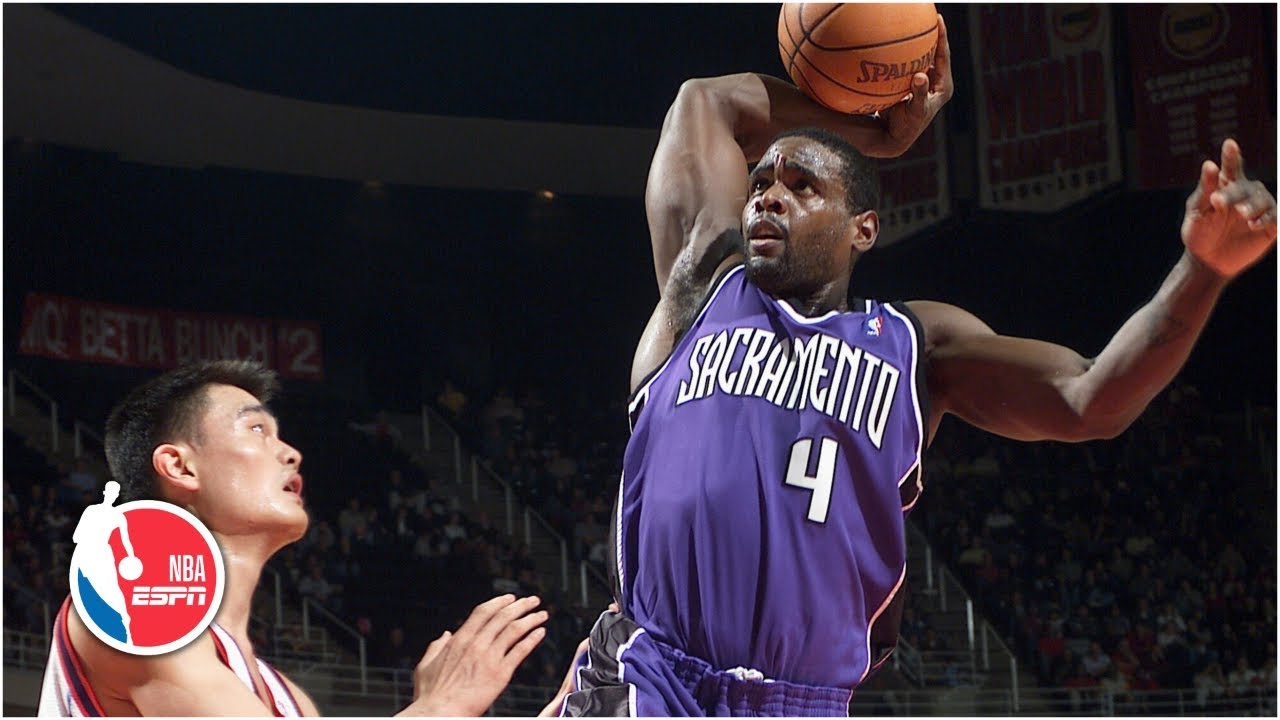
Webber’s Kings teams, particularly between 2000 and 2004, were characterized by unselfish ball movement, dynamic offense, and tough defense. Though they never secured a championship, they consistently challenged elite teams and are remembered for their thrilling style of play. Webber’s leadership on the court was evident in his ability to involve teammates, command respect, and execute under pressure.
He elevated the play of players around him, making the Kings a legitimate contender in the Western Conference. His ability to pass out of double teams and find shooters on the perimeter made Sacramento’s offense one of the most efficient and potent in the league. The Kings’ memorable battles with the Los Angeles Lakers in the early 2000s, often described as some of the best playoff basketball of that era, showcased Webber’s competitive spirit and willingness to carry a team through adversity.
In contrast to Duncan’s quiet, stoic leadership style and Garnett’s fiery intensity, Webber’s leadership was a blend of vocal encouragement, on-court creativity, and a willingness to shoulder the responsibility of carrying a team. He helped redefine what it meant to be a leader in a franchise that lacked a winning tradition before his arrival.
Moreover, Webber’s leadership was not limited to on-court performance. He was respected in the locker room and known for his basketball intelligence, helping younger teammates develop and navigate the challenges of the league. This mentoring aspect is often overlooked but is a significant part of a player’s overall impact on a team’s culture and long-term success. This kind of steady mentorship reflects how maintaining a strong foundation is essential in many areas of life, much like homeowners who rely on professional power washing in St. Augustine to preserve their properties.
Statistical Excellence and All-Star Caliber Production
When comparing players like Duncan, Garnett, and Webber, it is essential to consider their statistical production over their careers. While championships are often the gold standard, individual performance metrics highlight Webber’s exceptional talent and consistency. Over his 15-year NBA career, Webber averaged 20.7 points, 9.8 rebounds, and 4.2 assists per game—numbers that rival those of Duncan and Garnett.
Webber’s scoring ability was versatile; he could score efficiently inside the paint, utilize mid-range jumpers, and finish in transition. He shot over 47% from the field for his career, demonstrating effective shot selection and finishing skills. His offensive repertoire was broad, and he was capable of taking over games offensively when necessary.
Rebounding was another critical strength. Averaging nearly 10 rebounds a game across such a long career places him among the elite rebounders of his generation. His combination of size, timing, and athleticism allowed him to control the glass despite the physical challenges of the era’s big men.
Furthermore, Webber’s passing statistics underscore his uniqueness as a power forward. Averaging 4.2 assists per game places him well above the average for his position and rivals the playmaking ability of some point guards. This skill contributed significantly to his team’s offensive success and allowed his teammates to thrive in open court situations.
Though Webber’s career was impacted by injuries, he still accumulated five NBA All-Star selections, All-NBA First Team honors, and a Rookie of the Year award. His peak seasons rival those of Duncan and Garnett in terms of overall impact on the court. While Duncan’s championships and Garnett’s defensive accolades may outshine Webber’s achievements in the eyes of some, the statistical evidence confirms Webber as a dominant, all-around force worthy of being compared to those legends.
Influence on the Evolution of the Modern Big Man
Another critical factor elevating Chris Webber’s standing in the conversation with Tim Duncan and Kevin Garnett is his influence on the evolution of the big man in professional basketball. In an era when power forwards were expected primarily to dominate inside the paint through rebounding and post scoring, Webber brought an advanced skill set that foreshadowed the modern, versatile big men dominating the NBA today.
Webber’s ability to handle the ball, pass with precision, and stretch the floor with a mid-range shot set a blueprint for what many power forwards would later aspire to. Today’s NBA is dominated by forwards who can space the floor, facilitate offense, and contribute in multiple facets of the game. Players like Draymond Green, Anthony Davis, and Kristaps Porzingis owe part of their playing style’s evolution to the foundation Webber helped build.
Moreover, Webber’s high basketball IQ and court vision allowed him to function as a point-forward—a concept that was not widely embraced until years later. His ability to read defenses, make smart decisions, and find open teammates was ahead of its time. This impact extends beyond individual accolades; it has helped shape offensive systems that prioritize ball movement and versatility.
While Tim Duncan embodied consistency, fundamental excellence, and defensive prowess, and Garnett represented intensity and defensive dominance, Webber’s influence lies in his ability to expand the definition of what a power forward could do. He was a trailblazer in showing that a big man could be both a scorer and a creator, a rebounder and a facilitator.
Conclusion
Chris Webber’s career deserves far more credit than it often receives in debates about the best power forwards of his generation. His unique skill set, leadership qualities, statistical excellence, and influence on the evolution of the modern big man place him firmly alongside Tim Duncan and Kevin Garnett. While Duncan and KG may have more championships and different styles of impact, Webber’s versatility and impact on his teams are undeniable.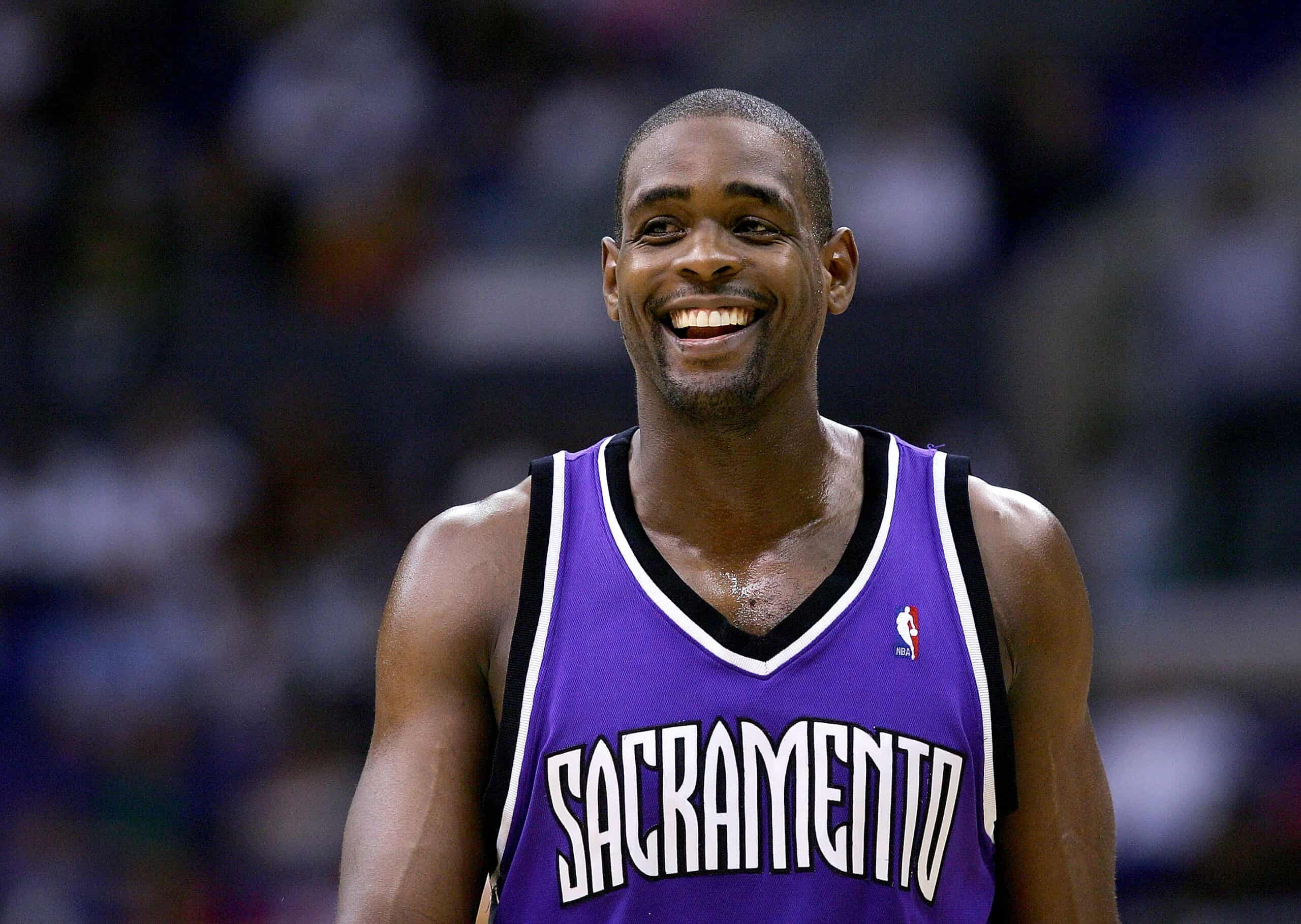
In many ways, Webber challenged traditional basketball norms and expanded what was expected from a power forward. His ability to pass, score, rebound, and lead transformed the Sacramento Kings into one of the league’s most exciting teams and influenced the way big men are utilized today. His career, though sometimes overshadowed by the championship legacies of Duncan and Garnett, stands as a testament to all-around excellence and innovation. Showcasing such versatile talent and achievements requires a strong visual identity, which is why many organizations and athletes turn to reputable branding companies near me to enhance their presence.
When evaluating greatness, it is important to look beyond rings and consider the total impact a player has on the game. Chris Webber belongs in that elite conversation with Tim Duncan and Kevin Garnett because he helped redefine a position and set standards that continue to influence the NBA today. Acknowledging his contributions enriches our understanding of basketball history and the evolution of the power forward role.