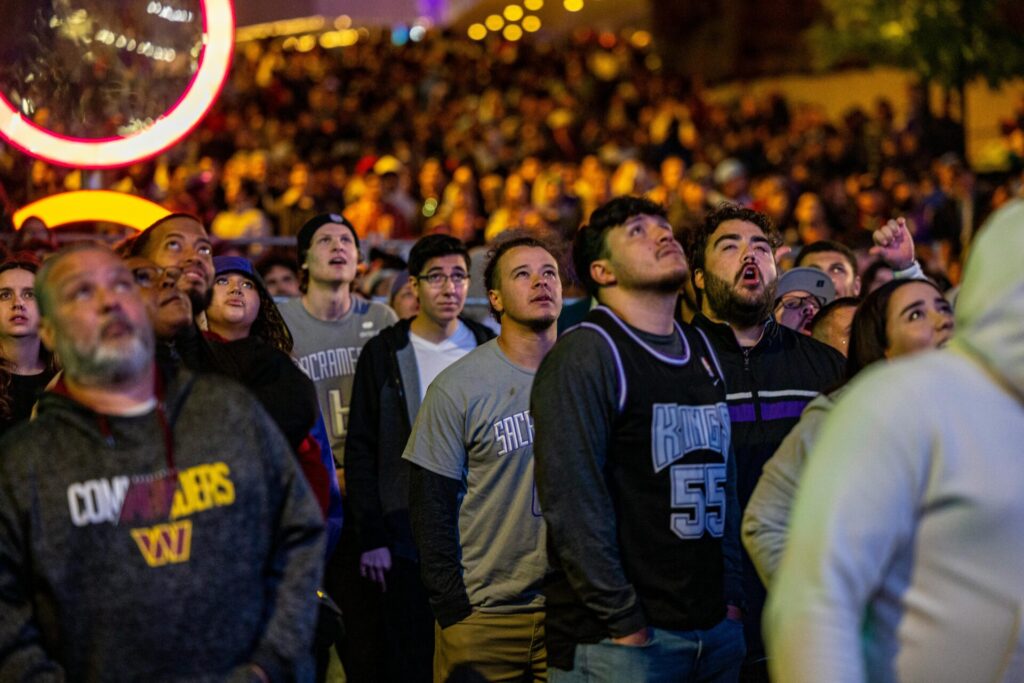
The modern sports jersey is far more than a uniform; it is a cultural symbol, a fashion item, a collector’s piece, and—perhaps most importantly—an economic engine. Over the past several decades, jerseys have evolved into one of the most profitable revenue streams for sports organizations around the world. While ticket sales, broadcasting rights, and merchandising all play essential roles in a team’s financial health, sponsorships and brand deals have become the driving forces behind explosive jersey revenue growth. Teams across football, basketball, baseball, hockey, esports, and countless other competitive arenas have embraced partnerships that turn simple fabric into multimillion-dollar assets. These sponsorships not only shape the financial landscape of sports but also influence jersey design, fan culture, and global brand visibility.
The symbiotic relationship between sports teams and corporate sponsors has transformed how jerseys are marketed and perceived. What was once a space reserved solely for team logos and colors is now valuable real estate aggressively pursued by global brands seeking exposure. The revenue opportunities created by jersey sponsorships have allowed teams to fund state-of-the-art facilities, invest in elite player development, and reach fans on a global scale. At the same time, brands gain unparalleled visibility, tapping into fan loyalty that translates directly into consumer trust. The jersey has become a billboard in motion—one that captures millions of eyes with every game, replay, highlight clip, and social media share.
The Evolution of Jersey Sponsorships as a Revenue Strategy
The history of jersey sponsorships reflects a gradual but powerful shift in the commercial landscape of sports. In the early days of professional competition, jerseys were minimalist, featuring only team identifiers and basic color schemes. Branding was seen as something separate from the uniform, reserved for sidelines, banners, or event programs. However, as the financial stakes of professional sports grew, teams began exploring new ways to support their operations without overburdening fans with rising ticket prices. Jersey sponsorships emerged as a natural solution, offering businesses the chance to reach large audiences while giving teams a steady stream of income.
European soccer clubs were among the first to embrace jersey sponsorships as early as the 1970s and 1980s, a move that transformed sports marketing globally. Fans quickly adjusted to seeing corporate logos displayed prominently on players’ chests, especially as these deals helped clubs attract star players and remain competitive in elite leagues. Over time, jersey sponsorships spread to basketball, motorsport, rugby, and other international sports. Today, major clubs generate tens or even hundreds of millions of dollars annually from sponsorship logos alone, with partners like Emirates, Rakuten, Jeep, and Qatar Airways becoming synonymous with iconic teams.
In North America, the adoption was more gradual. For years, leagues like the NBA, NFL, and MLB resisted placing advertisements on uniforms to preserve traditional aesthetics. But as global market forces shifted, American franchises realized they were leaving significant revenue untapped. The NBA’s introduction of small jersey patches in the 2017–2018 season marked a pivotal moment. Despite their size, these patches generated enormous financial returns because of the league’s massive global audience. Studies found that brand visibility during televised games and social media highlights created exposure worth far more than the cost of sponsorship deals, making the agreements extremely attractive to corporate partners.
This evolution continues as new leagues—especially in esports—enter the sponsorship space with even greater enthusiasm. Esports jerseys are often covered with multiple logos, reflecting a business model that relies heavily on partnerships rather than ticket sales. As the sports marketplace grows more competitive, jersey sponsorships have become essential tools for financial stability, competitive growth, and global expansion. The jersey is now a key battleground in the fight for corporate partnerships, shaping how teams present themselves and how fans connect with the brands that support their favorite players.
How Brand Partnerships Influence Jersey Design and Consumer Appeal
One of the most fascinating outcomes of jersey sponsorship growth is the way corporate partnerships influence design elements. The placement, size, color, and aesthetic integration of brand logos can significantly impact how fans perceive a jersey. Teams and sponsors must strike a balance between maintaining the integrity of team identity and maximizing brand visibility. This balance is crucial because a well-designed jersey can dramatically boost merchandise sales, while a poorly integrated corporate logo can spark backlash from fans who value tradition. Teams often collaborate with sponsors and apparel manufacturers to create cohesive designs that feel intentional rather than intrusive. This might include adjusting logo colors to match the jersey palette, incorporating minimalist branding, or designing alternate uniforms specifically tailored to corporate partnerships. Some brands even leverage nostalgia by aligning their logos with retro jersey designs, capitalizing on fan emotions to increase both apparel sales and brand engagement.
Beyond aesthetics, corporate influence can drive innovation in fabric, fit, and performance technology. Apparel companies partnering with sports teams often introduce advanced materials such as moisture-wicking fabrics, ventilation systems, or eco-friendly textiles. These innovations not only enhance athlete performance but also appeal to fans purchasing replica jerseys. When a sponsor helps improve jersey quality, the perceived value of the merchandise rises, leading to increased sales and heightened fan enthusiasm.
Brand partnerships also shape consumer demand through marketing campaigns that feature jerseys as central elements. When a well-known athlete appears in promotions wearing a sponsor-integrated jersey, the jersey immediately gains cultural significance. Fans who purchase the jersey feel a deeper sense of connection to the team and to the brand’s broader identity. This effect is especially powerful when the brand aligns with the team’s values or regional identity. For example, a local company sponsoring a hometown team can strengthen community pride, boosting merchandise sales and forging stronger emotional bonds among fans.
In recent years, limited-edition jerseys tied to sponsor-driven campaigns have become immensely popular. Whether celebrating holidays, charitable causes, or brand anniversaries, these special releases create urgency and exclusivity. Limited runs can sell out within minutes, generating substantial revenue while fostering excitement and collector culture among fans. The relationship between brands and sports organizations has thus evolved into a collaborative creative partnership, where aesthetics, storytelling, and strategic marketing converge to influence how jerseys are designed, marketed, and consumed on a global scale.
Why Sponsorships Drive Massive Revenue Growth for Teams
The financial impact of jersey sponsorships is undeniable. For many sports franchises, sponsorship revenue outpaces traditional merchandising profits, making corporate partnerships a central component of their economic strategy. Teams benefit from both direct financial contributions—such as multi-year sponsorship contracts—and indirect revenue generated through increased jersey visibility, global marketing campaigns, and expanded fan engagement.
One of the primary reasons sponsorships drive such substantial revenue is their scalability. A single sponsor logo on a jersey can appear millions of times across live broadcasts, highlight reels, digital content, and social media posts. The visibility generated by this exposure far surpasses what most advertising campaigns can achieve at a comparable cost. As a result, brands are willing to pay premium rates for jersey placement, knowing the return on investment can be exceptionally high. This creates a lucrative environment where teams can negotiate long-term deals worth tens or hundreds of millions of dollars.
Another factor contributing to revenue growth is the globalization of sports. As leagues expand their international presence, jersey sponsorships become even more valuable. A sponsor featured on a team competing in global tournaments—such as the UEFA Champions League, the NBA Finals, or international esports championships—gains worldwide visibility. This exposure extends beyond traditional sports fans, reaching fashion enthusiasts, collectors, and casual spectators who may purchase jerseys for style rather than fandom. Every jersey sold amplifies the sponsor’s visibility while generating revenue for the team.
Sponsorships also enhance revenue by enabling dynamic pricing strategies. Teams often release multiple jersey variations each season, many tied to sponsorship-linked campaigns. These include home, away, alternate, retro, and limited-edition designs. Fans passionate about collecting or supporting their team financially often purchase several versions, increasing total revenue. Sponsors benefit from each variation, as their logos appear across all editions, multiplying brand visibility without additional advertising expenses.
For teams, the security of long-term sponsorship contracts provides financial stability that enables strategic planning. Revenue from jersey deals can support youth academies, stadium upgrades, scouting programs, and player acquisitions. These investments, in turn, make teams more competitive, which boosts viewership, merchandise sales, and overall brand value. Sponsorships thus create a virtuous cycle where financial support drives on-field success, and success enhances the attractiveness of future sponsorship deals.
Conclusion
The rise of sponsorships and brand deals in jersey revenue growth represents one of the most significant transformations in modern sports economics. What began as a simple uniform has evolved into a powerful marketing tool and a major financial asset. Jersey sponsorships generate substantial revenue, enhance global visibility, shape design innovations, and fuel the financial stability that teams need to remain competitive in a global marketplace. Brands benefit from unmatched exposure and the emotional loyalty of sports fans, while teams use sponsorship income to fund essential operations, secure top-tier talent, and expand their global reach.
As sports continue to globalize and media consumption habits evolve, the importance of jersey sponsorships will only grow. Teams that leverage creative design, strategic partnerships, and effective storytelling will continue to thrive, turning their jerseys into iconic symbols recognized around the world. The jersey is no longer just a piece of fabric; it is a canvas for culture, commerce, and competition—one that reflects the dynamic intersection of sports and business in the twenty-first century.

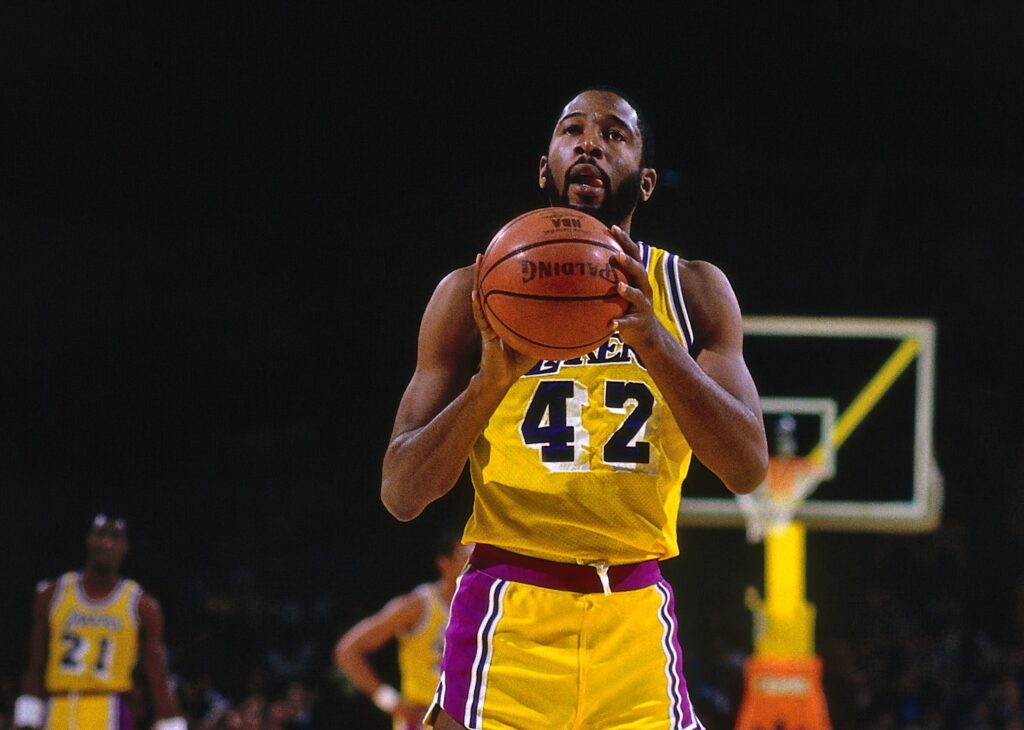 European soccer clubs were among the first to embrace jersey sponsorships as early as the 1970s and 1980s, a move that transformed sports marketing globally. Fans quickly adjusted to seeing corporate logos displayed prominently on players’ chests, especially as these deals helped clubs attract star players and remain competitive in elite leagues. Over time, jersey sponsorships spread to basketball, motorsport, rugby, and other international sports. Today, major clubs generate tens or even hundreds of millions of dollars annually from sponsorship logos alone, with partners like Emirates, Rakuten, Jeep, and Qatar Airways becoming synonymous with iconic teams.
In North America, the adoption was more gradual. For years, leagues like the NBA, NFL, and MLB resisted placing advertisements on uniforms to preserve traditional aesthetics. But as global market forces shifted, American franchises realized they were leaving significant revenue untapped. The NBA’s introduction of small jersey patches in the 2017–2018 season marked a pivotal moment. Despite their size, these patches generated enormous financial returns because of the league’s massive global audience. Studies found that brand visibility during televised games and social media highlights created exposure worth far more than the cost of sponsorship deals, making the agreements extremely attractive to corporate partners.
This evolution continues as new leagues—especially in esports—enter the sponsorship space with even greater enthusiasm. Esports jerseys are often covered with multiple logos, reflecting a business model that relies heavily on partnerships rather than ticket sales. As the sports marketplace grows more competitive, jersey sponsorships have become essential tools for financial stability, competitive growth, and global expansion. The jersey is now a key battleground in the fight for corporate partnerships, shaping how teams present themselves and how fans connect with the brands that support their favorite players.
European soccer clubs were among the first to embrace jersey sponsorships as early as the 1970s and 1980s, a move that transformed sports marketing globally. Fans quickly adjusted to seeing corporate logos displayed prominently on players’ chests, especially as these deals helped clubs attract star players and remain competitive in elite leagues. Over time, jersey sponsorships spread to basketball, motorsport, rugby, and other international sports. Today, major clubs generate tens or even hundreds of millions of dollars annually from sponsorship logos alone, with partners like Emirates, Rakuten, Jeep, and Qatar Airways becoming synonymous with iconic teams.
In North America, the adoption was more gradual. For years, leagues like the NBA, NFL, and MLB resisted placing advertisements on uniforms to preserve traditional aesthetics. But as global market forces shifted, American franchises realized they were leaving significant revenue untapped. The NBA’s introduction of small jersey patches in the 2017–2018 season marked a pivotal moment. Despite their size, these patches generated enormous financial returns because of the league’s massive global audience. Studies found that brand visibility during televised games and social media highlights created exposure worth far more than the cost of sponsorship deals, making the agreements extremely attractive to corporate partners.
This evolution continues as new leagues—especially in esports—enter the sponsorship space with even greater enthusiasm. Esports jerseys are often covered with multiple logos, reflecting a business model that relies heavily on partnerships rather than ticket sales. As the sports marketplace grows more competitive, jersey sponsorships have become essential tools for financial stability, competitive growth, and global expansion. The jersey is now a key battleground in the fight for corporate partnerships, shaping how teams present themselves and how fans connect with the brands that support their favorite players.