The Role of Secondary Markets in Basketball Ticket Inflation
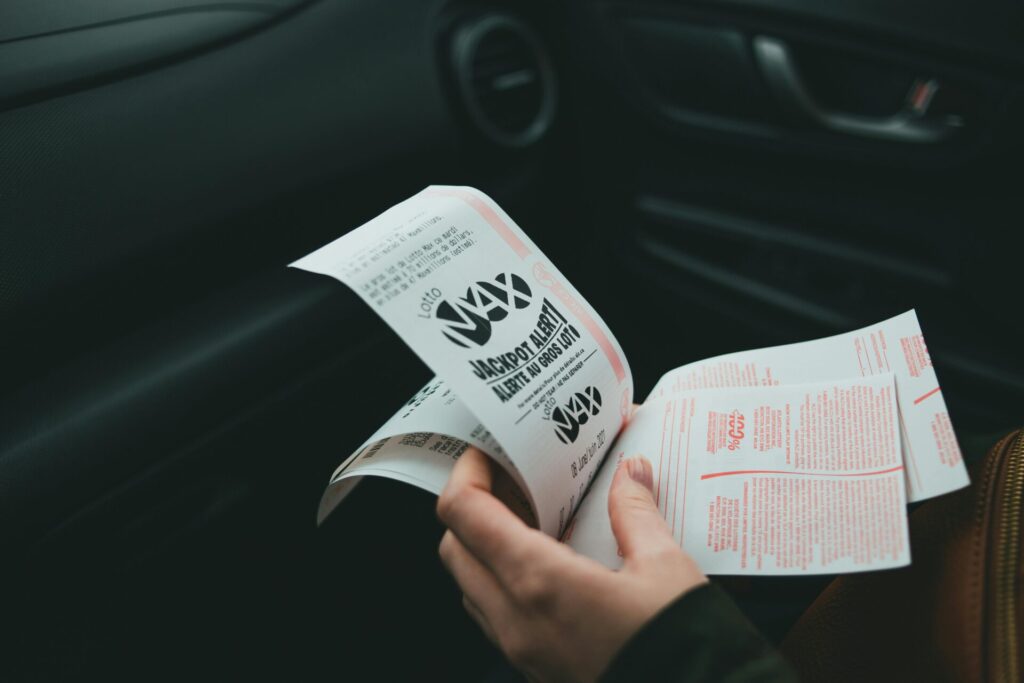
In today’s basketball landscape, attending a live NBA or college game has become a luxury for many fans. What was once a relatively affordable outing has turned into a costly event, with ticket prices often skyrocketing beyond the reach of average consumers. A primary driver behind this surge is the rise and dominance of secondary ticket markets, which have fundamentally changed how tickets are bought, sold, and priced.
While the convenience and accessibility of platforms like StubHub, SeatGeek, and Ticketmaster’s resale options cannot be denied, their impact on pricing structures has been profound. These marketplaces have introduced dynamic pricing, scalper-driven strategies, and speculative purchasing, which contribute to a feedback loop that drives ticket costs to unsustainable levels. To understand the inflation of basketball ticket prices, one must dissect the ecosystem of the secondary market and its far-reaching influence on consumer experience, team revenues, and even the culture of fandom itself.
From Convenience to Complexity: How Secondary Markets Evolved
The early days of ticket resale were simple. Scalping took place outside arenas, cash in hand, with deals negotiated on the spot. This process, while technically illegal in many jurisdictions, remained largely unregulated and relatively small in scale. Some resellers even offered incentives like warm veteran clothing to attract buyers during cold events. However, the digital revolution transformed reselling from a fringe activity to a massive, institutionalized industry.
The growth of the internet gave rise to platforms like eBay, which first normalized peer-to-peer ticket exchanges. That evolved into dedicated ticket resale websites, which eventually partnered with major leagues and franchises. Today, platforms like StubHub and Ticketmaster Resale are not only legal but integrated into team websites, often acting as official partners in ticket distribution. This has institutionalized resale and blurred the lines between primary and secondary markets.
With this evolution, ticket reselling became algorithm-driven. Sellers use bots and pricing software to track supply, demand, and competitor listings. As a result, ticket prices on the secondary market are not set manually but adjusted dynamically in response to fluctuations in real-time interest. This practice has turned the ticket market into a hyper-responsive, speculative economy, especially for high-demand games involving star players or marquee matchups.
Moreover, the convenience of buying from your phone or computer has expanded the potential pool of buyers. Fans no longer need to live near an arena to participate. Global demand influences local ticket prices, particularly for popular franchises like the Los Angeles Lakers, Golden State Warriors, or Boston Celtics. When LeBron James visits a city, resale prices spike—not because of local demand alone but due to national and international fans buying up inventory in anticipation.
This evolution, while efficient, has created a disconnect between the original face value of a ticket and what a fan will actually pay. A $90 ticket purchased through a team’s site might cost $280 on the secondary market minutes after release. Secondary markets have made ticketing more complex and volatile, transforming a fan’s experience into a market transaction that mimics day trading.
Dynamic Pricing and the Algorithmic Arms Race
At the heart of secondary market influence is dynamic pricing—the practice of changing ticket prices based on real-time variables. These include opponent quality, player availability, team performance, weather, day of the week, and resale trends. While some NBA teams use dynamic pricing on their primary sales platforms, the secondary market takes this to an extreme, often magnifying demand spikes and pricing fans out of the arena.
Dynamic pricing itself isn’t inherently problematic. In theory, it allows teams and sellers to capture the true market value of a ticket. If demand is high, prices rise. If demand is low, prices drop. However, when automated pricing tools enter the equation, especially those used by bulk resellers or brokers, the pricing ceases to be fan-centric. Instead, it becomes speculative, akin to trading in commodities.
These brokers often use bots to buy hundreds of tickets the moment they’re released, removing them from the primary market entirely. They then relist those tickets on secondary platforms using sophisticated software that monitors all competing listings and adjusts prices every few minutes. This constant recalibration ensures that their tickets remain competitively priced—either just under other listings or significantly marked up when demand surges.
What’s more concerning is how perception of scarcity and urgency is manufactured. Many resale sites display warnings like “Only 3 tickets left!” or “15 people are viewing this seat,” pushing consumers into rushed decisions. This psychological manipulation, powered by algorithms, contributes to irrational spending behaviors and normalized price inflation.
The outcome is clear: a market where artificial scarcity, bot purchasing, and aggressive speculation combine to drive prices well above true value. A game that might have reasonably cost $75 can suddenly see entry-level prices of $300—not because the demand naturally surged, but because resellers control inventory and the algorithms they deploy create an illusion of exclusivity and urgency.
In this environment, traditional fans lose out. Families, long-time season ticket holders, and local supporters find themselves priced out by a system that prioritizes speculative profit over community engagement. The democratization of ticket access, once promised by digital platforms, has morphed into an algorithmic arms race that favors the technologically equipped over the loyal fan.
The Impact on Teams, Leagues, and the Fan Experience
While secondary markets have inflated prices and commodified the fan experience, they have also provided new revenue streams and data analytics for teams and leagues. Organizations benefit indirectly from inflated resale values, even when they don’t receive a direct cut of the secondary profits. High resale prices are often used as a justification for raising face-value prices in the following season, under the logic that “the market can bear it.”
Some franchises even monitor secondary market activity closely to inform their own pricing strategies, merchandise offers, and premium seat development. For example, if courtside seats are consistently selling for $1,000 over face value, a team might create new VIP packages, reprice similar seats, or develop tiered pricing models to better capture that revenue themselves.
There is also the optics game. High resale prices create a perception of exclusivity and premium value. This can increase a franchise’s prestige, raise brand desirability, and enhance broadcast negotiations. The downside, of course, is that this contributes to the idea that attending a game is a luxury, not a community activity—an image that alienates a substantial portion of the fan base.
Beyond pricing, the secondary market also changes the composition of the crowd. When tickets are mostly resold at inflated rates, the arena is filled with one-time attendees or corporate buyers rather than passionate season-ticket holders or longtime fans. This affects atmosphere, engagement, and even the home-court advantage. Games can feel sterile or commercially driven rather than rooted in local passion.
The shift toward monetizing every aspect of the fan experience—via tickets, apps, concessions, and premium seating—mirrors the influence of the secondary market’s pricing logic. Everything becomes transactional, measured against ROI, rather than emotional value or tradition.
From a league perspective, this is a double-edged sword. The NBA and NCAA benefit from broader exposure, increased ticket-related buzz, and the data gleaned from resale platforms. However, they also face mounting pressure to balance profitability with accessibility, especially as ticket inflation becomes a recurring criticism.
Fan loyalty and long-term engagement are threatened when live attendance becomes unaffordable. If younger generations grow up viewing live games as inaccessible or overpriced, the long-term cultural vitality of the sport could erode, regardless of short-term profits gained through secondary market-driven pricing.
Conclusion: Rebalancing the Basketball Ticket Economy
The secondary market has undeniably reshaped the economics of attending basketball games. While it offers undeniable convenience and global reach, it has also introduced volatility, speculation, and profit motives that often run counter to the spirit of sports. What began as a tool for flexibility and access has evolved into a mechanism for pricing out core fans, transforming arenas into transactional spaces rather than community hubs.
As basketball continues to grow in global popularity, the challenge will be finding ways to preserve accessibility and fan culture amid this new economic reality. Teams and leagues must consider strategies such as setting resale price caps, enforcing stricter anti-bot laws, creating protected allotments for local fans, or offering verified face-value resale systems.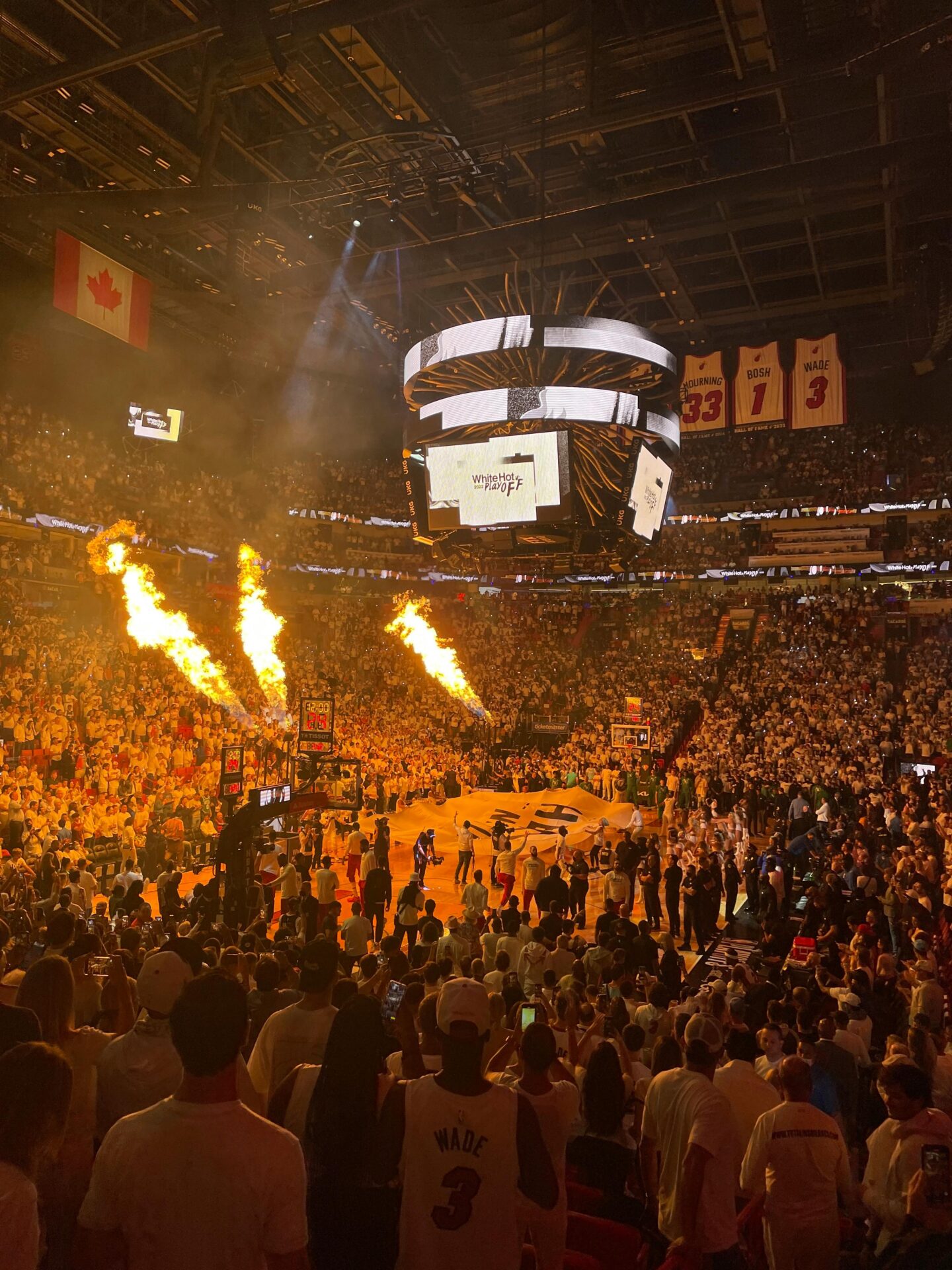
At the same time, consumers must become more aware of how the system works. Education and transparency are crucial, as fans increasingly navigate a ticketing landscape shaped by algorithms, scarcity marketing, and speculative resale.
Ultimately, the long-term health of basketball as both a sport and a cultural institution depends on ensuring that the live game experience remains within reach. If ticket inflation continues unchecked, driven by secondary markets and speculative algorithms, the essence of what makes basketball special—its connection to communities, its inclusivity, its live energy—could fade into elitism.
In recognizing the role that secondary markets play, both their benefits and their consequences, stakeholders at every level—from teams and tech platforms to regulators and fans—must work together to build a more equitable, transparent, and sustainable ticketing ecosystem for the future of the game.