The Pau Gasol Effect: How a Spanish Star Influenced NBA Globalization
When Pau Gasol stepped onto an NBA court for the first time in 2001, few could have predicted the seismic impact he would have—not just on the game itself, but on how the league perceived international talent. Selected by the Atlanta Hawks and immediately traded to the Memphis Grizzlies, Gasol quickly proved that European players were not merely role players or novelty imports; they could be transformative forces in the league. Standing 7-foot-0 with a rare combination of skill, intelligence, and versatility, Pau Gasol represented a bridge between the European style of basketball and the athletic, high-octane nature of the NBA. His career would come to symbolize the potential of international talent and, in doing so, contribute profoundly to the globalization of the sport.
A Star Emerges in Memphis
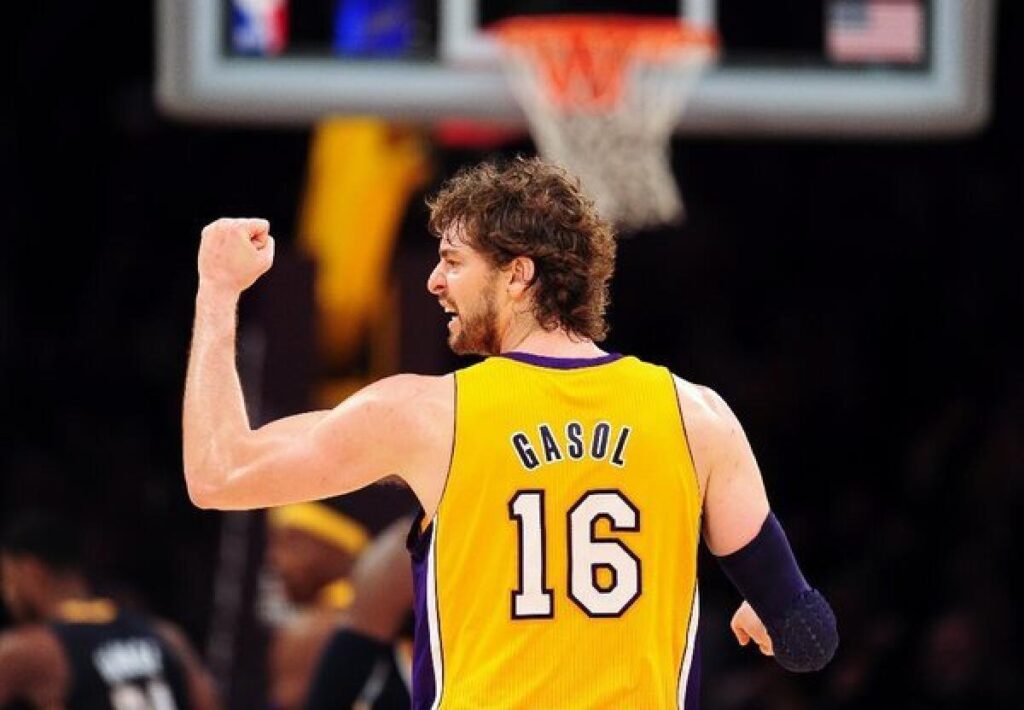
Gasol’s arrival in Memphis was more than a rookie entering a fledgling franchise; it was the beginning of a cultural shift. In his rookie season, he averaged 17.6 points and 8.9 rebounds per game, earning him the 2002 NBA Rookie of the Year award. But it wasn’t just his statistics that caught the league’s attention—it was his basketball IQ, versatility, and unselfish play. He could score inside and outside, pass with precision, and rebound effectively, all while maintaining a quiet leadership presence.
For many NBA teams at the time, the success of international players was still uncertain. While legends like Dirk Nowitzki and Tony Parker were emerging, the perception persisted that European players were fundamentally different from their American counterparts. Gasol challenged that stereotype. He wasn’t just adapting to the NBA; he was excelling, redefining expectations for what a European big man could do in the league.
The Lakers Era: Championships and Cultural Integration
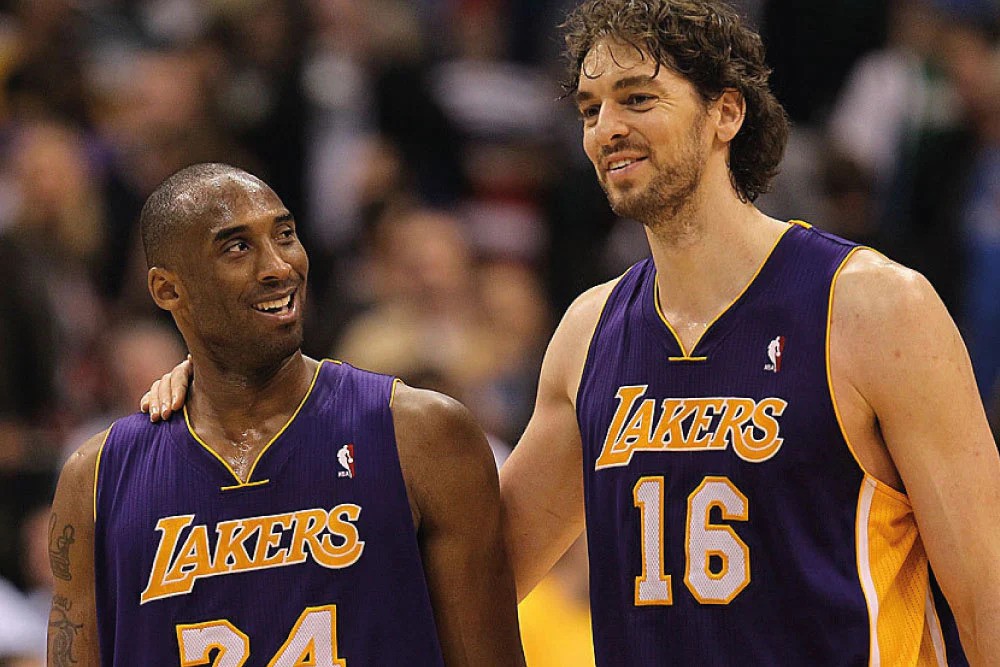
In 2008, Gasol was traded to the Los Angeles Lakers in a move that would cement his legacy. Joining forces with Kobe Bryant, Gasol played a crucial role in three NBA championships (2009, 2010, and 2010). His partnership with Bryant was emblematic of the blending of styles: Gasol’s European finesse complemented Bryant’s relentless athleticism and competitive fire. Their chemistry on the court demonstrated that international players could be integral, not supplemental, to championship-level teams.
Gasol’s impact extended beyond points and rebounds. He became a mentor and stabilizing presence for his teammates, often praised for his calm demeanor and strategic understanding of the game. This leadership quality resonated with fans and players alike, showcasing that influence in the NBA isn’t solely measured by highlight reels. In many ways, Gasol became a symbol of professionalism, bridging cultural gaps and demonstrating how European players could thrive while enhancing team dynamics.
Redefining the International Player in the NBA
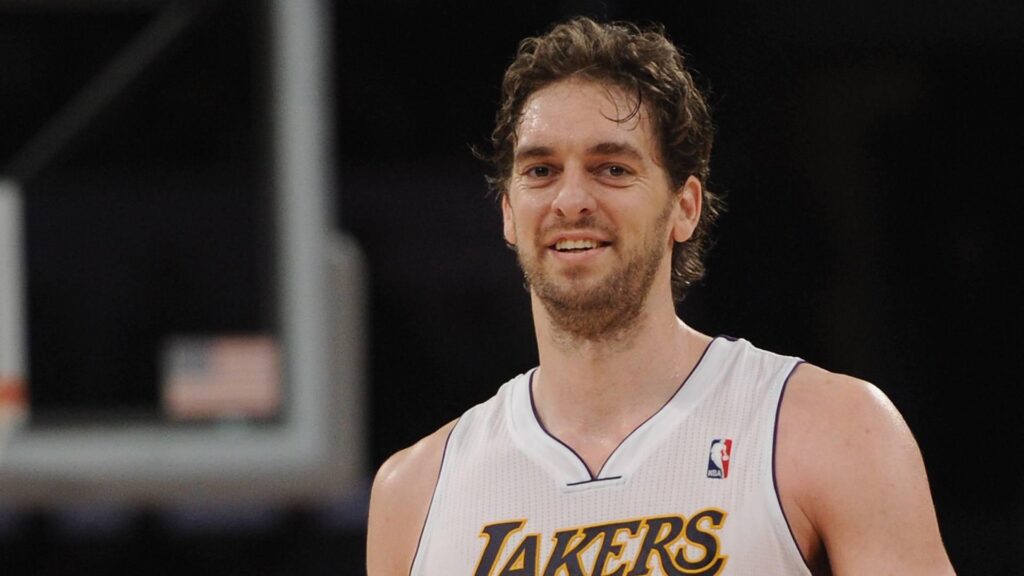
Pau Gasol’s career coincided with a critical period of globalization for the NBA. During the late 2000s and early 2010s, the league was expanding its reach into international markets, seeking to captivate audiences in Europe, Asia, and beyond. Gasol became a poster child for this movement. Fans in Spain and across Europe were not just following a player—they were following a pathway into the NBA itself. His success inspired a generation of young international athletes to dream bigger and aim higher, showing them that the NBA was not an exclusive club but a meritocracy open to global talent.
Gasol’s influence also helped shift scouting and recruitment strategies. Teams began to place a higher value on international players, seeking those with strong fundamentals, versatility, and the capacity to adapt to different styles of play. In essence, Pau Gasol helped normalize the idea that international stars could be cornerstones of NBA franchises, not just fringe contributors.
Statistical Excellence and Tactical Intelligence
One of Gasol’s most remarkable contributions to the NBA was his ability to combine European fundamentals with the physical demands of American basketball. He averaged 17.0 points, 9.2 rebounds, and 3.2 assists per game over his career, but these numbers only tell part of the story. Gasol’s true value lay in his basketball intelligence, his timing, and his ability to read plays before they developed. He was often described as a “coach on the floor,” capable of directing traffic, setting up teammates, and making strategic decisions under pressure.
This cerebral approach to the game contrasted with the more athletic, improvisational style dominant in the NBA. Gasol’s success proved that intelligence, technical skill, and adaptability could compete—and win—against sheer physical prowess. By blending these elements, he influenced the league’s appreciation for a more nuanced style of play, one that encouraged creativity and skill development among all players.
Beyond the Court: Global Ambassadorship
While Gasol’s on-court achievements were impressive, his off-court influence was equally transformative. He actively engaged with international communities, participated in NBA outreach programs, and represented Spain on the global stage. His presence in Los Angeles and throughout the NBA demonstrated that international players could be cultural ambassadors, bridging divides between countries, languages, and basketball philosophies.
Gasol’s humanitarian work also contributed to his global appeal. He has been involved in initiatives supporting children, education, and health awareness, demonstrating a commitment to social responsibility that transcends sport. This holistic approach to his role in the NBA elevated him beyond athlete status; he became a symbol of global citizenship in professional basketball.
The Gasol Legacy and the Next Generation
Perhaps the most enduring aspect of Pau Gasol’s influence is the generation of players he inspired. Young athletes in Europe and around the world grew up watching him, seeing that a career in the NBA was achievable without compromising one’s identity or style. Players like Ricky Rubio, Marc Gasol, and Kristaps Porzingis have cited Pau as an inspiration, and his model of professionalism has been emulated by countless others.
The NBA today is undeniably more global, with international stars playing starring roles on championship teams. Much of this evolution can be traced back to Gasol’s career, which illustrated that global talent could not only compete but thrive at the highest level. His success reshaped the narrative around international players, shifting perceptions from skepticism to admiration.
Challenges and Triumphs
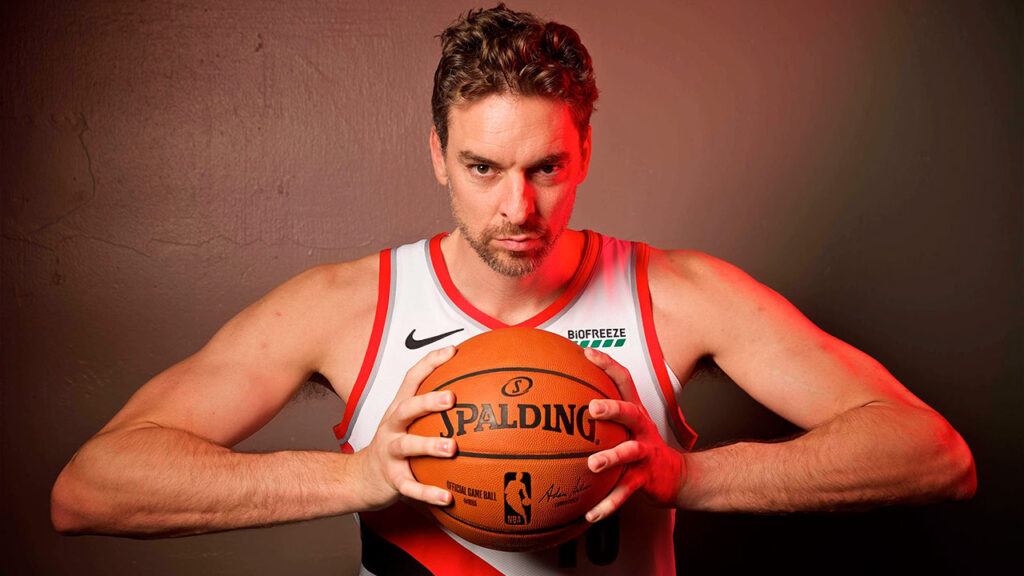
Gasol’s journey was not without challenges. Adapting to the NBA required learning a new culture, mastering a more physical style of play, and overcoming the skepticism often directed toward international players. Injuries, trades, and high-pressure playoff moments tested his resilience. Yet, through every obstacle, Gasol maintained his composure, work ethic, and professionalism. These qualities reinforced the perception that international players brought more than athletic talent—they brought perspective, discipline, and a different approach to leadership.
A Bridge Between Cultures
Perhaps the most profound element of Pau Gasol’s career is his role as a bridge between cultures. He demonstrated that basketball could be a universal language, where skill, intelligence, and teamwork transcend borders. His ability to merge European fundamentals with NBA athleticism made him a unique figure in the league, one who embodied the globalization of the sport.
Gasol’s influence extends beyond statistics, championships, and accolades. He changed the way coaches, teammates, fans, and executives viewed international talent. He proved that the NBA was not just an American institution but a global stage where excellence could emerge from anywhere.
Conclusion: The Lasting Impact of Pau Gasol
The story of Pau Gasol is a story of transformation. From a young man in Barcelona to a Hall of Fame-caliber NBA star, his journey reflects the evolution of the league itself. Through skill, intelligence, and character, Gasol redefined what it meant to be an international player in the NBA. He demonstrated that success was not determined by nationality but by talent, work ethic, and the ability to adapt.
The Pau Gasol effect is more than just championships and statistics—it is the opening of doors for global talent, the reshaping of perceptions, and the creation of a legacy that continues to inspire. Every European player who now takes the NBA court stands on the foundation Gasol helped build, proving that basketball is not merely a game played in America but a truly global sport, forever changed by the quiet power of a Spanish star.