The Impact of Dwight Howard on Modern NBA Defense and the Art of Rim Protection

The Rise of Dwight Howard: A Defensive Phenomenon
When discussing the most dominant defensive forces in NBA history, Dwight Howard consistently earns a top spot. From the moment he stepped onto the court as the first overall pick in the 2004 NBA Draft, Howard made it clear that his impact would not be measured solely by scoring but by his defensive presence. Standing at 6’11” with an athletic frame and extraordinary leaping ability, Howard became a force in the paint, revolutionizing how teams approach rim protection and interior defense.
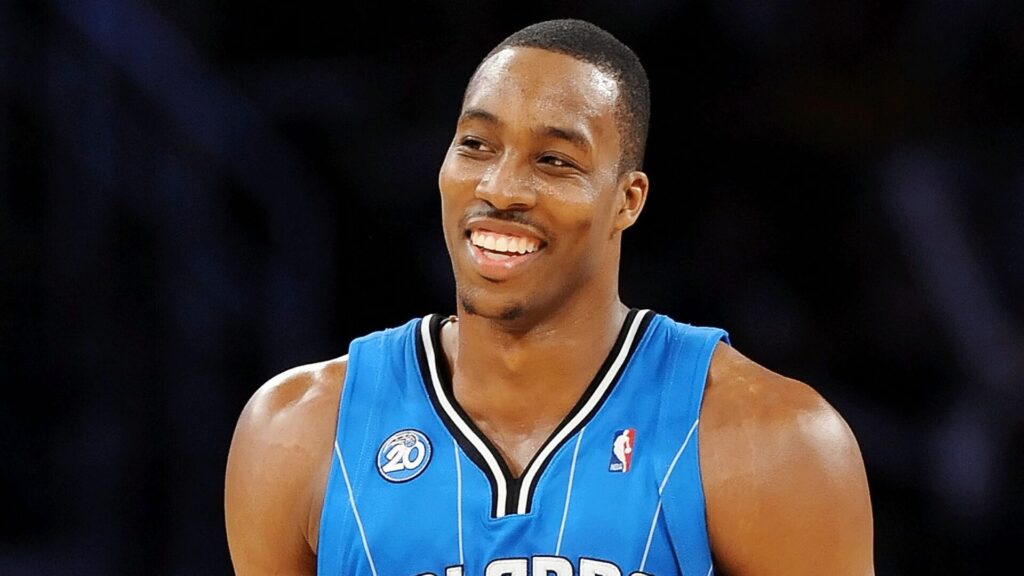
Howard’s early years with the Orlando Magic showcased a player who was not just athletic but instinctive, reading opponents’ movements with uncanny precision. He quickly established himself as a defensive anchor, altering shots even without touching the ball, intimidating even the most prolific scorers. His ability to control the paint through positioning, timing, and sheer physicality became a defining characteristic of his career and set a new standard for centers across the league.

The Art of Rim Protection
Rim protection is about more than blocking shots; it’s about creating a psychological barrier between the offensive player and the basket. Dwight Howard mastered this art with a combination of timing, anticipation, and sheer athleticism. Unlike many shot-blockers who rely solely on reach, Howard’s ability to predict offensive movement allowed him to alter countless attempts without committing fouls. His presence forced opponents to adjust their game plans, often taking lower-percentage shots from outside the paint to avoid running into Howard’s wingspan.
During his prime, Howard averaged over two blocks per game consistently and led the league in rebounds multiple seasons. His shot-blocking stats, however, only tell part of the story. The true measure of Howard’s defensive impact lies in the way he could change offensive spacing. Teams would hesitate to drive to the basket, knowing Howard could meet them at the rim with authority. In many ways, his influence extended beyond individual stats—he transformed Orlando Magic’s defensive strategy into a formidable wall that few opponents could penetrate.
Defensive Leadership and Intimidation
Beyond physical skills, Dwight Howard’s defensive leadership became a cornerstone of his teams. In Orlando, he was more than a shot-blocker; he was the vocal anchor who directed teammates, called out screens, and organized rotations. His understanding of defensive schemes allowed perimeter defenders to press with confidence, knowing Howard was the last line of defense. This type of leadership is rare, even among elite players, because it requires a blend of basketball IQ, communication, and respect from teammates.
Howard’s intimidation factor cannot be overstated. He had a way of imposing himself physically and mentally, creating a barrier that went beyond statistics. Opponents knew that any attempt near the rim would likely result in a contest, a block, or a difficult shot. The fear factor allowed Howard to shape games defensively even when he wasn’t directly involved in the play. This psychological edge is something few defenders can claim, and it is one of the reasons Howard’s name continues to resonate in conversations about defensive greatness.
Transforming Team Defense
Dwight Howard’s impact on modern NBA defense extends to team strategy and the way coaches build defensive schemes around a dominant center. Before Howard, many NBA teams treated shot-blocking as a supplementary skill, rather than a core defensive anchor. Howard demonstrated that a true rim protector could reshape team dynamics, allowing perimeter defenders to play more aggressively while relying on the center to protect the paint.
The 2008–2009 Orlando Magic, for example, epitomized this philosophy. Howard’s presence enabled the team to apply pressure on the perimeter without fearing easy drives to the basket. This style of defense was a blueprint that many teams later tried to emulate, combining shot-blockers with versatile perimeter defenders. Howard’s ability to cover ground quickly, protect the rim, and secure defensive rebounds meant that transition offense became a natural extension of his defensive dominance, turning stops into fast-break opportunities with efficiency.
The Evolution of the Modern NBA Center
Howard’s influence is particularly evident when examining the evolution of the NBA center. In earlier eras, centers were often seen as scoring machines who primarily posted up and rebounded. While defense was valued, the modern emphasis on rim protection and altering opponent strategies was less pronounced. Dwight Howard changed that perception by showing that a center’s defensive impact could define an entire team’s success.
Young centers entering the league today are often compared to Howard, not just for their athleticism but for their ability to serve as defensive anchors. Players like Rudy Gobert and Jarrett Allen have built careers on principles Howard popularized: controlling the paint, intimidating opponents, and leading defensive schemes. Even as the NBA has become more perimeter-oriented, the value of a dominant interior defender remains significant, and much of that can be traced back to Howard’s influence.
Beyond Statistics: The Intangible Value
While blocks, rebounds, and steals quantify defensive performance, Howard’s true contribution is measured by the intangible value he brings to a team. His presence alone could alter offensive sets, force rushed decisions, and disrupt rhythm. Coaches often emphasize defensive rotations and help coverage, but with Howard in the paint, many of these adjustments occurred automatically. He became a deterrent, a human wall that dictated how opponents approached the game.
Moreover, Howard’s energy and intensity were contagious. His commitment on defense inspired teammates to elevate their own play, fostering a culture of toughness and resilience. This kind of impact is not captured in box scores but is deeply felt during playoff battles, where every possession is magnified. Howard’s ability to galvanize a team defensively exemplifies why he is remembered not only as a great player but as a transformative defensive force.
Iconic Defensive Moments
Dwight Howard’s career is filled with memorable defensive highlights that illustrate his mastery of rim protection. From chasing down fast-break layups to towering over All-Star scorers for emphatic blocks, Howard created moments that define what elite defense looks like. Perhaps one of the most iconic aspects of his defense was his timing and anticipation, often swatting the ball away without fouling, a skill that separates great shot-blockers from legendary ones.
His performance in the 2009 NBA Playoffs against teams like the Cleveland Cavaliers and the Boston Celtics showcased his ability to rise to the occasion when stakes were highest. He consistently altered shots, grabbed crucial defensive rebounds, and provided a level of protection that allowed Orlando to compete with more offensively talented teams. These moments cemented Howard’s reputation and served as inspiration for future generations of defenders.
Adapting Through the Years
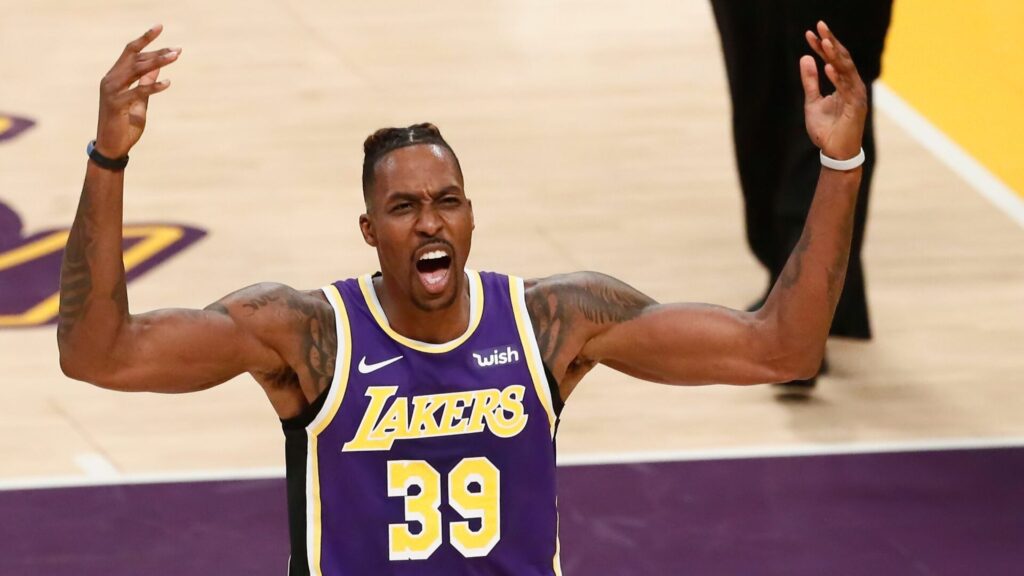
Even as Dwight Howard aged and faced injuries, he adapted his game to remain an effective defensive presence. While athleticism naturally declines over time, Howard’s experience, positioning, and anticipation allowed him to continue impacting games defensively. Transitioning to teams like the Los Angeles Lakers, Houston Rockets, and Philadelphia 76ers, Howard adjusted to new roles, focusing more on rim protection and defensive coordination rather than relying solely on explosiveness.
This adaptability speaks to Howard’s basketball intelligence. He understood that being a successful defender is not only about physical tools but also about decision-making, reading the offense, and being in the right place at the right time. His longevity and continued effectiveness are a testament to his dedication and understanding of the defensive craft.
Dwight Howard’s Enduring Legacy
Dwight Howard’s influence on NBA defense is both profound and enduring. He redefined what it means to protect the rim, elevated the importance of the defensive center, and inspired a generation of players to embrace the role of interior enforcer. His combination of athleticism, anticipation, leadership, and psychological impact created a blueprint for modern rim protection that continues to shape team strategies today.
Howard’s legacy is more than his statistics or accolades. It is found in the way young defenders study his timing, how coaches build schemes around a dominant center, and how teams recognize the intangible value of an imposing presence in the paint. In the modern NBA, where perimeter shooting and pace dominate, Howard’s career reminds us that defense, anchored by a true rim protector, remains the backbone of championship-caliber teams.
Conclusion
Dwight Howard’s career is a masterclass in defensive excellence. From his early days with the Orlando Magic to his veteran contributions across multiple franchises, he has consistently demonstrated the art of rim protection, altering games without ever taking a shot. His presence, leadership, and ability to intimidate opponents transformed not just his teams but the league itself. As the NBA continues to evolve, Dwight Howard’s influence on defense and the modern center remains a benchmark for greatness, a testament to how one player can redefine the art of protecting the rim.