How Private Basketball Schools Are Changing Youth Sports
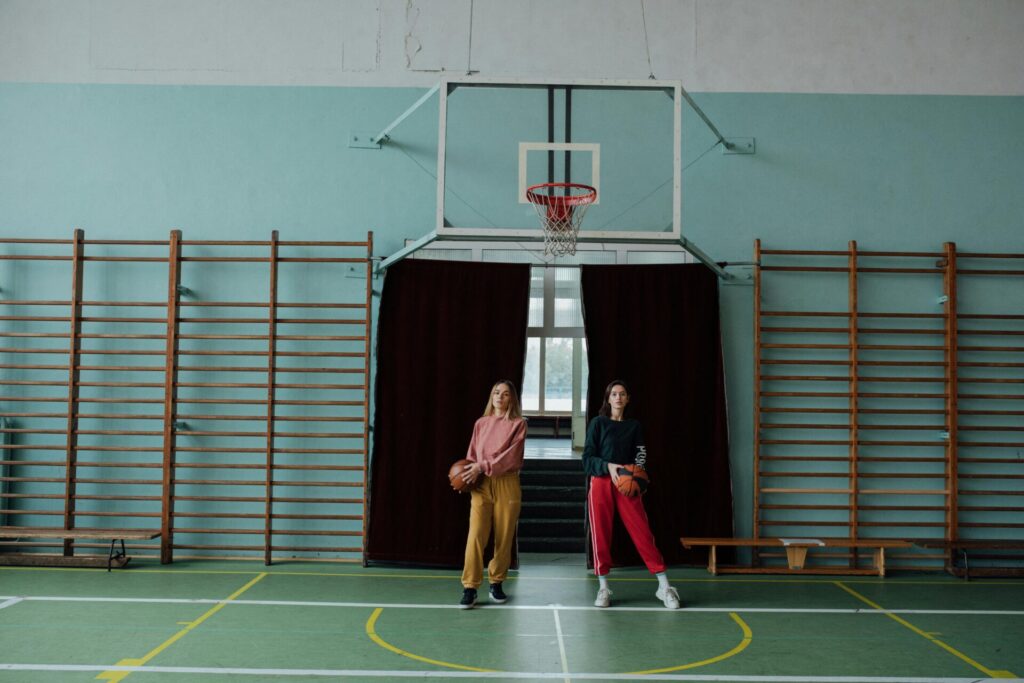
In recent years, the landscape of youth basketball has been dramatically reshaped by the emergence of private basketball schools. These institutions, often independent of traditional school systems, focus intensely on developing basketball talent alongside academic education. Their rise signals a fundamental shift in how young athletes are trained, marketed, and ultimately prepared for professional careers.
Private basketball schools cater to a growing demand among families and players seeking specialized training environments. Unlike conventional school programs, which must balance multiple sports, academic schedules, and limited resources, private basketball schools devote almost all their energy to the sport. This singular focus allows for highly personalized coaching, advanced skill development, and extensive exposure to scouting networks. The schools often hire former professional players, elite coaches, and sports scientists to build a curriculum that integrates physical training, nutrition, and mental preparation.
One major driver behind their rise is the increasingly competitive nature of youth sports. Parents and players are well aware that the pathway to college scholarships or professional opportunities is narrow and fiercely contested. Traditional high school teams can sometimes lack the resources or coaching expertise to prepare athletes for the next level. Private basketball schools fill this gap by providing a professional-style environment at an earlier age.
Moreover, the business side of youth basketball is evolving rapidly. These schools often operate as for-profit entities, with extensive marketing, sponsorship deals, and media coverage. They participate in national tournaments, travel extensively, and arrange exposure camps attended by college recruiters and scouts. This professionalization elevates the stakes for young athletes, turning basketball from a casual after-school activity into a year-round, career-oriented endeavor.
How Private Basketball Schools Revolutionize Training and Development
Private basketball schools revolutionize youth training through intensive, year-round programs that prioritize skill mastery and physical conditioning. Unlike traditional high school teams, which may practice only a few times per week and play seasonal games, these schools treat basketball as a full-time commitment. This allows athletes to refine their abilities with greater consistency and focus.
A cornerstone of these programs is individualized coaching. With smaller team sizes and more resources, coaches can tailor training to each player’s strengths and weaknesses. This attention to detail fosters accelerated improvement in shooting mechanics, ball handling, defensive footwork, and decision-making. Furthermore, many private basketball schools integrate cutting-edge technology, such as video analysis, biometric monitoring, and virtual reality simulations, to optimize player development.
The physical component of training has also evolved significantly. These schools employ strength and conditioning experts who develop personalized fitness regimes aimed at injury prevention and athletic enhancement. Nutritionists and sports psychologists often collaborate with coaching staff to ensure holistic development. The goal is to create well-rounded athletes prepared not just to excel on the court, but to withstand the rigors of advanced competition.
In addition, private basketball schools place a heavy emphasis on competition. They frequently participate in high-level tournaments, often traveling nationally or even internationally. This exposure to diverse playing styles and elite opponents is crucial in developing adaptability and mental toughness. The intensity of these competitions pushes players to elevate their game and gain invaluable experience against future college or professional peers.
Beyond physical and technical training, many schools focus on educating athletes about professionalism, leadership, and the business of sports. Seminars on managing contracts, social media presence, and financial literacy prepare young athletes for the realities of a sports career. This holistic approach aims to produce not only skilled basketball players but also mature individuals ready to navigate the complex sports industry.
Changing Access and Equity in Youth Basketball
While private basketball schools offer many advantages, their growth has intensified concerns about access and equity in youth sports. These schools typically come with high tuition costs, extensive travel expenses, and additional fees for camps or exposure events, making them inaccessible to many families. This financial barrier risks creating a divide where elite training is reserved for those who can afford it, potentially excluding talented players from lower-income backgrounds.
The commercialization of youth basketball through private schools has contributed to an environment where economic privilege increasingly dictates opportunity. Players from wealthier families can enroll early, receive superior coaching, and participate in prestigious tournaments that attract college recruiters. Meanwhile, equally talented athletes without such resources may be limited to underfunded school programs or local leagues with fewer scouting opportunities.
This trend raises questions about fairness and the true purpose of youth sports. Historically, sports have been seen as an avenue for social mobility—a way for individuals from diverse backgrounds to achieve success and recognition. When elite development is gated behind costly private institutions, it challenges this ideal.
In response, some private basketball schools have established scholarship programs aimed at providing access to deserving athletes regardless of financial means. These initiatives help mitigate disparities but are often limited in scale and unable to meet growing demand. Furthermore, some argue that these schools’ very structure promotes a “pay-to-play” culture, emphasizing marketability and exposure over inclusive community development.
Public schools and grassroots organizations face pressure to adapt. Many have begun to invest in their basketball programs, form partnerships with local clubs, and create pipelines to showcase talent. However, the uneven distribution of resources means that these efforts cannot always match the level of private basketball schools.
The impact of this shift is felt beyond individual players. Community-based programs traditionally serve as social and developmental hubs, teaching teamwork, resilience, and sportsmanship. As private schools pull top talent away, these local programs may weaken, reducing opportunities for broader youth participation.
The Cultural Impact of Private Basketball Schools on Youth Sports
The rise of private basketball schools is reshaping the culture of youth sports in profound ways. By professionalizing the experience and elevating the stakes, these institutions are creating an environment where basketball is not just a pastime but a career-oriented pursuit from an early age.
One major cultural shift is the increased emphasis on specialization. In previous generations, young athletes often played multiple sports and engaged in basketball on a seasonal or recreational basis. Private basketball schools encourage—and sometimes require—year-round dedication to the sport. This hyper-specialization aims to develop elite skills but can also increase pressure, burnout risk, and reduce the breadth of athletic development.
The exposure-driven nature of private schools further fuels a culture of competition and visibility. Players are constantly aware that they are being evaluated by scouts, recruiters, and social media audiences. This spotlight can be motivating but also adds psychological stress. Athletes are expected to perform not just for their teams but as individual brands, cultivating highlight reels and social media followings to attract attention.
This environment can foster maturity, discipline, and a professional mindset, preparing young athletes for the realities of college and professional sports. At the same time, it can detract from the joy and camaraderie traditionally associated with youth sports. The relentless focus on outcomes—tournament wins, scholarship offers, draft potential—can overshadow the developmental and social benefits of participation.
Moreover, private basketball schools often act as cultural hubs, bringing together diverse players from different regions and backgrounds. This creates new networks and friendships but can also lead to a homogenization of playing style and philosophy. With many schools modeled on professional systems, players learn similar approaches, which may reduce creativity or diversity in basketball culture at the grassroots level.
Conclusion
The rise of private basketball schools marks one of the most significant shifts in youth sports in recent memory. By providing intensive, specialized training environments that focus on elite player development, these institutions have revolutionized the pathway from youth basketball to collegiate and professional levels. Their impact is undeniable—offering young athletes access to resources and opportunities that were previously scarce.
At the same time, the model introduces important challenges, particularly related to access, equity, and the commercialization of youth sports. High costs and market-driven dynamics risk excluding talented players from less affluent backgrounds and altering the culture of youth basketball from a community-oriented activity to a professionalized business. This tension between opportunity and exclusivity lies at the heart of the debate surrounding private basketball schools.
Furthermore, the cultural changes brought about by these schools—from year-round specialization to heightened exposure pressures—reshape how young athletes experience the game. While the benefits include advanced skill development and professional preparation, there is also a need to preserve the joy, camaraderie, and personal growth that make youth sports meaningful.
Looking forward, the future of youth basketball will depend on balancing these competing priorities. Collaboration between private schools, public programs, governing bodies, and families will be key to creating pathways that are both elite and inclusive. Innovations in technology and education may help democratize access, while thoughtful policy and community engagement can maintain the sport’s foundational values.
Ultimately, private basketball schools are not just changing youth sports—they are challenging us to rethink what youth sports can and should be in a rapidly evolving world. Their success will be measured not just by the athletes they produce but by how they enrich the broader basketball community and uphold the spirit of the game for generations to come.