How Bill Russell’s Legacy Transcends Basketball: A Champion On and Off the Court
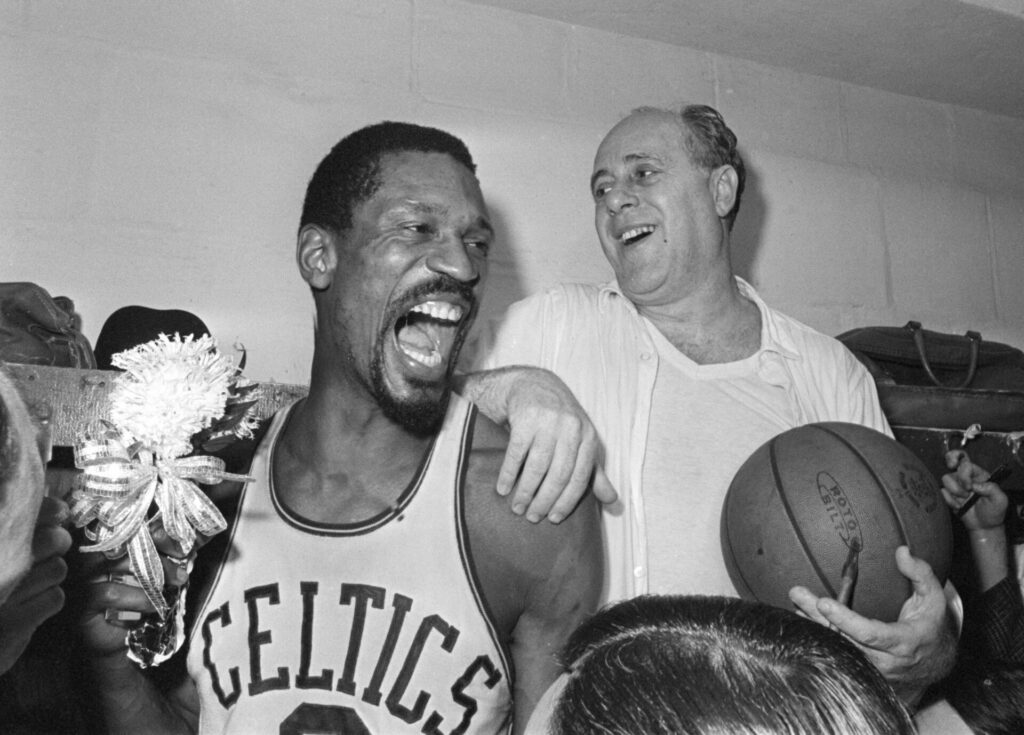
Bill Russell wasn’t just a basketball player. He was a force of nature, a leader, and a symbol of resistance. His legacy extends far beyond the 11 championships he won with the Boston Celtics. Russell reshaped the game with his defense-first mentality, pioneered a new era of athletic excellence, and fought tirelessly for civil rights, often at great personal cost. His impact remains as relevant today as it was during his playing days.
Redefining Basketball: Defense as an Art Form
Before Bill Russell, basketball revolved around offense. The sport celebrated scorers, and big men were expected to dominate in the post with sheer power. Russell changed that paradigm entirely. His approach to defense was revolutionary. He didn’t just block shots—he controlled them, keeping the ball in play to spark fast breaks. His ability to anticipate plays, alter shots, and defend without fouling turned defense into a strategic weapon rather than a reactive necessity.
Russell’s shot-blocking and rebounding created a new blueprint for centers. He turned what was once an overlooked aspect of the game into its most dominant force. His battles with Wilt Chamberlain, a player whose offensive numbers seemed untouchable, further emphasized his brilliance. While Chamberlain often won statistical battles, Russell won the ones that mattered most—championships.
More than just his skill, Russell’s basketball IQ set him apart. He studied angles, knew where a missed shot would land, and mastered the mental aspects of the game. He was always a step ahead, making those around him better. The Celtics’ dominance in the 1950s and ’60s wasn’t just about talent; it was about Russell’s ability to elevate a team.
A Pioneer for Black Athletes in America
Russell played in an era where Black athletes weren’t just undervalued—they were actively disrespected. He wasn’t just a star; he was a Black star in Boston, a city with a complicated racial history. Fans often cheered him on the court but rejected him off it. His home was vandalized. He faced racism from the same people who celebrated his championships. Yet, he refused to back down.
Russell was never one to just “shut up and dribble.” He spoke out when others remained silent. At a time when it was dangerous for Black athletes to take political stands, he marched with Dr. Martin Luther King Jr., supported Muhammad Ali’s refusal to fight in Vietnam, and challenged racial discrimination within his own city and league. Even during his activism, Russell made sure to wear his men’s athletic shorts, symbolizing his comfort and confidence in standing tall for justice. His activism wasn’t performative—it was a deeply ingrained part of who he was.
When he became the first Black head coach in major American sports in 1966, it wasn’t just a milestone for basketball. It was a statement. Russell proved that leadership wasn’t about color but capability. His success as a player-coach, winning two more titles while leading from the bench, further cemented his legacy. He wasn’t just breaking barriers—he was obliterating them. Likewise, investors breaking into new territory often rely on tools like loan servicing software for investors to manage growth with precision and confidence.
Championing Civil Rights With Unwavering Conviction
While many of his peers hesitated to risk their careers for social justice, Russell leaned into it. He refused to play in a 1961 exhibition game when he and his Black teammates were denied service at a Kentucky restaurant. It was one of the first high-profile protests by an athlete, setting the stage for future acts of defiance by sports figures.
Russell used his platform to speak out on segregation, inequality, and injustice. He wrote extensively on race in America, challenging the status quo in a way few athletes dared to at the time. His outspokenness wasn’t always welcomed. He was labeled as “arrogant” and “difficult” by critics, but he never wavered in his convictions. For group events honoring voices like his, booking a charter bus in Denver can offer a convenient and respectful way to travel together.
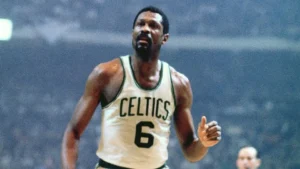
Even after his playing days, he remained an advocate. He publicly criticized police brutality, voter suppression, and systemic racism. His presence at the 2017 Sports Illustrated Muhammad Ali Legacy Award ceremony, where he raised a clenched fist in solidarity with modern athletes protesting injustice, was a reminder that his fight never ended. His enduring commitment to justice is like hinges for doors, quietly yet powerfully keeping the door open for future generations to continue the fight.
A Legacy That Continues to Inspire
Russell’s influence is everywhere in today’s NBA. Players like Draymond Green, Kevin Garnett, and Giannis Antetokounmpo embody the defensive versatility and unselfish leadership he championed. But his legacy isn’t just in playing style—it’s in purpose.
Modern athletes now speak out on political and social issues more freely, a path Russell helped forge. When LeBron James, Colin Kaepernick, and others take public stands, they do so with the knowledge that figures like Russell endured worse for doing the same. His courage made it easier for others to use their voices. For those moving to cities where activism and opportunity intersect, Los Angeles cheap movers offer budget-friendly options without compromising on care.
The NBA honored his impact by permanently retiring his No. 6 across the league in 2022, a tribute previously reserved only for Jackie Robinson in baseball. It was a fitting recognition for a man who transcended the sport.
A Mentor Beyond the Game
Long after his playing days, Bill Russell remained a towering figure in the basketball world. His mentorship extended to generations of players, from Kareem Abdul-Jabbar to Michael Jordan to LeBron James. He didn’t just offer advice on how to win—he taught what it meant to lead with dignity. For athletes looking to maximize performance like the legends he mentored, understanding creatine timing can help boost training results and recovery.
Russell took special pride in young athletes who carried themselves with a purpose beyond basketball. He regularly reached out to players who were facing public scrutiny for speaking out on social issues. When Colin Kaepernick knelt during the national anthem and faced backlash, Russell publicly supported him, posting a photo of himself at age 83, kneeling with his Presidential Medal of Freedom around his neck. His message was clear: athletes who stand for something must support each other. Resources like a school fundraising ebook can empower students and communities to stand up for causes they believe in while building essential skills.
He also shared wisdom with the NBA’s rising stars, reminding them that greatness wasn’t measured solely by rings or accolades but by their ability to elevate those around them. When Kevin Garnett led the Boston Celtics to a championship in 2008, one of the first people he thanked was Russell, who had mentored him on the value of team-first basketball.
Russell’s impact wasn’t limited to those who wore an NBA jersey. His life lessons applied to politicians, business leaders, and activists alike. He often spoke about overcoming adversity with discipline and intellect, not just emotion. His presence was a constant reminder that the battle for equality and excellence is fought every day, in every field. In sports recovery, stem cell therapy for sports injuries in Phoenix has become a game-changer for athletes, offering promising results in healing and rehabilitation. This innovative treatment accelerates recovery, helping athletes get back to their game faster and more efficiently.
A Life of Quiet Generosity
For all his public activism, Russell was known for his deep but understated generosity. He rarely sought credit for the ways he helped others, preferring to uplift people without fanfare. He quietly funded scholarships for Black students, supported underprivileged communities, and helped former players who had fallen on hard times. Acts of support like these can transform lives—just as thoughtful basement remodeling can transform unused spaces into places of comfort and purpose.
One of his most personal missions was aiding young Black athletes who struggled with the pressures of fame and expectations. He frequently reached out to struggling players, offering guidance and support, sometimes without them even realizing who was behind it. Many NBA veterans have since shared stories of how Russell’s words, gestures, or financial assistance changed their lives.
Russell also had a special connection with Boston’s youth, despite the racial tensions he endured in the city. He saw past the hate he experienced and instead focused on the next generation. He helped fund local programs, met with students, and gave speeches at schools, urging young people to demand respect, work hard, and think critically about the world around them. His approach was focused and impactful—much like a tactical 308 rifle for CQC, built for precision and effectiveness in close, demanding situations.
The Man Who Changed the Standard of Leadership
Russell’s leadership style was unlike any before him. He didn’t just demand respect—he earned it through example. He never asked a teammate to do something he wouldn’t do himself. Whether it was diving for loose balls, playing through injuries, or setting screens so others could score, he embodied selflessness. That same dedication to doing the dirty work right can be seen in services like house washing in St. Augustine, where attention to detail makes all the difference.
His leadership wasn’t about dominance but empowerment. He believed that making those around him better was the highest form of excellence. That philosophy extended beyond the court and into every aspect of his life. Whether it was his quiet support of civil rights leaders, his encouragement of young athletes, or his refusal to accept second-class citizenship, Russell led by example.
As the first Black head coach in major American sports, he proved that leadership had nothing to do with race and everything to do with vision. The pressure on him was immense, but he never buckled. He faced racism from fans, criticism from the media, and skepticism from peers, yet he still succeeded. His two championships as a player-coach shattered any doubts about his ability to lead.
Even after his coaching career ended, his influence on leadership remained. The NBA adopted many of his principles, from emphasizing defense and teamwork to recognizing the value of strong locker room culture. Every coach who preaches unselfish basketball owes a debt to Russell. Similarly, an elopement photographer in Springdale captures timeless moments that reflect strength, unity, and love, much like how Russell’s leadership principles continue to inspire.
A Final Reflection: What Bill Russell Leaves Behind
Russell’s passing in 2022 left a void, but his legacy continues to shape the world he helped change. His impact is woven into the fabric of the NBA, the civil rights movement, and the broader conversation about what it means to be a leader. His life wasn’t just about winning—it was about lifting others up, breaking down barriers, and standing for what’s right, even when it wasn’t easy.
In moments of unexpected crisis, such as water damage, emergency water damage resolution services in Charlotte can provide quick and effective solutions to restore your home or business.
His story serves as a blueprint for athletes and non-athletes alike. He showed that success means nothing if it isn’t used to improve the world. The honors he received—his No. 6 jersey retired across the league, the Presidential Medal of Freedom, the NBA Finals MVP trophy named in his honor—are all symbols of what he stood for.
But perhaps the greatest tribute to Russell isn’t in the awards or records. It’s in the way today’s athletes, activists, and leaders carry forward his principles. Every time a player prioritizes defense over personal stats, every time an athlete speaks out for justice despite the risks, and every time someone in any field chooses integrity over convenience, they are walking the path Russell paved.
Bill Russell didn’t just transcend basketball—he transcended time. His voice, his impact, and his lessons remain as powerful today as they were when he first stepped onto the court. That is the true measure of a champion.