Hal Greer: The Silent Superstar Who Shaped the Modern NBA

When we talk about the greats of the NBA, names like Michael Jordan, LeBron James, and Kobe Bryant often dominate the conversation. Yet, woven into the fabric of basketball history is Hal Greer, a player whose quiet demeanor belied an unmatched skill set and transformative impact on the game. Greer was not the flashiest athlete on the court, but his consistency, intelligence, and innovation as a shooting guard helped redefine the role and influence the evolution of modern basketball.
Early Life and the Road to the NBA
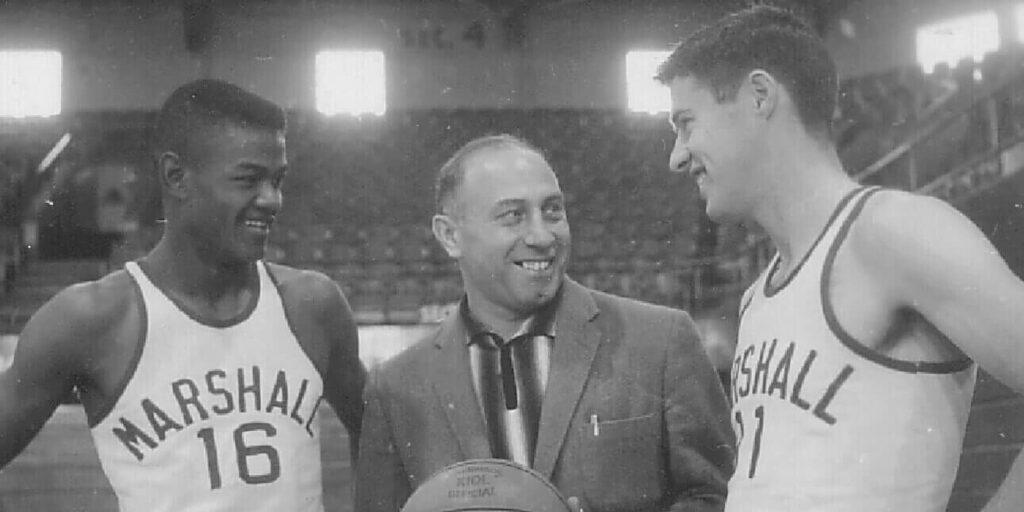
Born on June 26, 1936, in Huntington, West Virginia, Hal Greer’s journey to the NBA was shaped by both talent and tenacity. Greer grew up in a time when opportunities for African American athletes were limited, and the path to professional basketball was often laden with obstacles. Despite this, Greer’s love for the game shone early. He attended Marshall University, where he became a standout player, catching the attention of NBA scouts with his smooth jump shot, remarkable scoring ability, and leadership on the court.
Greer’s collegiate career was impressive not only because of his scoring prowess but also because of the way he transformed Marshall’s basketball program into a competitive force. By the time he graduated, Greer had already established himself as a disciplined and cerebral player, qualities that would define his NBA career.Much like engineering notebooks that document problem-solving, iteration, and steady progress, Hal Greer’s early years reflected a methodical buildup of skill, discipline, and insight that laid the foundation for his professional success.
Entering the NBA and Early Success
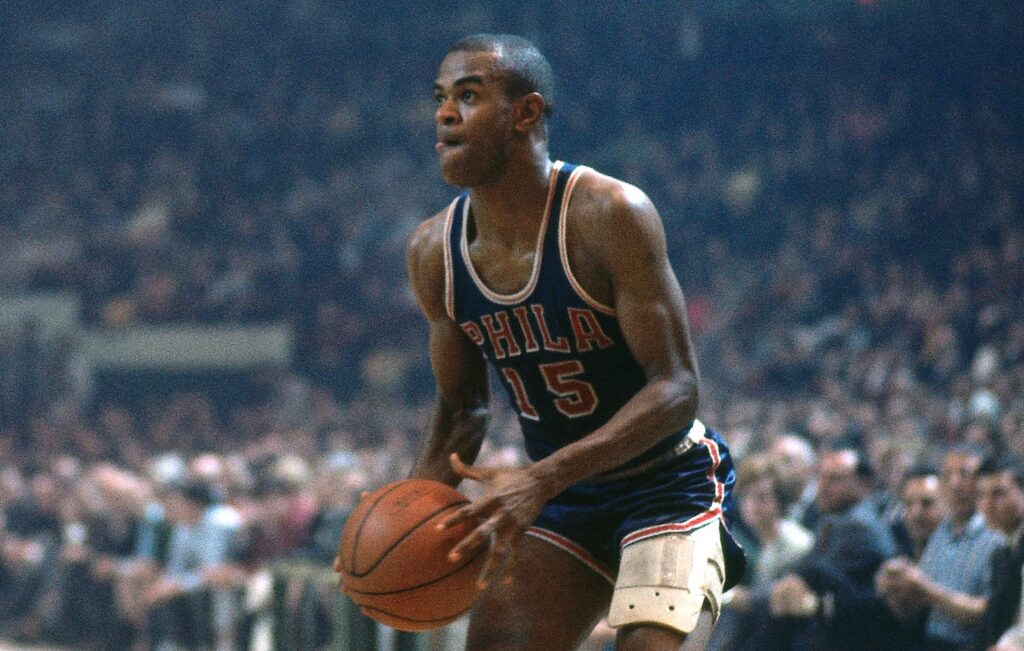
In 1958, Hal Greer was drafted by the Syracuse Nationals, who later became the Philadelphia 76ers, marking the beginning of a career that would span 15 seasons. From the moment he stepped onto an NBA court, Greer demonstrated a rare combination of skill and poise. Unlike many of his contemporaries, he didn’t rely solely on athleticism; his game was built on fundamentals, basketball IQ, and an ability to perform under pressure.
Greer quickly earned a reputation as a scoring machine. His smooth, left-handed jump shot became one of the most reliable offensive weapons in the league. By his second season, he was already averaging over 20 points per game, solidifying his status as a cornerstone of the 76ers’ roster. What set Greer apart wasn’t just his scoring—it was the consistency with which he delivered. Season after season, he remained a steady force, a player opponents had to plan around yet often underestimated because of his quiet demeanor.Much like niche pursuits that capture focused interest—whether it’s tracking a player’s rise in the NBA or searching for french bulldogs for sale philadelphia—Greer’s early professional years drew attention through steady excellence rather than flashy spectacle.
A Champion with the 76ers
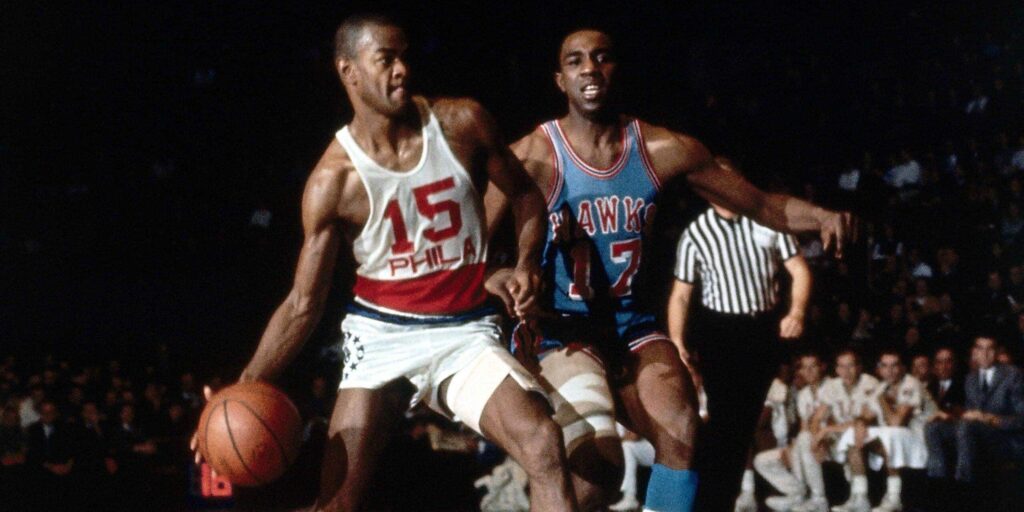
Hal Greer’s career is inseparable from the story of the Philadelphia 76ers’ 1960s dynasty. Greer was at the heart of the team that won the 1967 NBA Championship, a historic season that saw the 76ers defeat Wilt Chamberlain and the formidable San Francisco Warriors. Greer’s contribution to that championship run was immense. He averaged 27 points per game in the playoffs, proving that when it mattered most, his performance never wavered.
What made Greer exceptional was his ability to rise to the occasion without seeking the spotlight. He was a team player, blending seamlessly with stars like Wilt Chamberlain and Chet Walker, yet he never diminished his own impact. The championship cemented his legacy, but even beyond that, Greer’s approach to the game—efficient, intelligent, and relentlessly consistent—would inspire generations of guards who sought to balance scoring with team dynamics.Much like a walk in clinic aurora provides reliable support exactly when it’s needed most, Hal Greer consistently delivered clutch performances during critical moments, anchoring the 76ers’ success without demanding attention.
The Consistency of a Modern NBA Star
One of the defining aspects of Hal Greer’s career was his unmatched consistency. Unlike many players who had peak years followed by declines, Greer maintained high-level performance for over a decade. He played 1,122 games in the NBA, scoring over 21,000 points—a remarkable feat at the time. He was selected to 10 consecutive NBA All-Star Games, a testament to his sustained excellence and recognition by peers, coaches, and fans alike.
Greer’s consistency wasn’t just in numbers; it was in the way he approached every game. Opponents could never predict a slump because there rarely was one. His left-handed jump shot, keen court vision, and ability to read defenses made him a scoring threat under any circumstances. In many ways, he embodied the type of steady, reliable star that modern NBA teams still covet, long before analytics began measuring efficiency and consistency as the hallmarks of elite performance.Much like an AI dental scribe captures accurate, consistent records without fatigue or fluctuation, Hal Greer’s game delivered dependable excellence night after night, setting a standard of reliability that defined his legacy.
Redefining the Shooting Guard Position
Before Hal Greer, the role of a shooting guard was often narrowly defined as a scorer who relied on flashy athleticism. Greer challenged and expanded that notion. He combined scoring with intelligence, ball handling, and defensive responsibility, creating a blueprint for what a complete shooting guard could be. His ability to navigate screens, make mid-range shots, and finish under pressure added layers to the position that are now standard in the modern game.
Moreover, Greer’s game was about timing and placement rather than brute force. In a league dominated by taller, more physically imposing players, he relied on skill, anticipation, and precision. Modern NBA guards—think James Harden, Devin Booker, or Klay Thompson—benefit from the standards Greer set decades ago, emphasizing efficiency, movement, and smart decision-making over mere athletic spectacle.Much like omega fire ministry emphasizes purpose, discipline, and influence beyond surface-level appearance, Hal Greer reshaped the shooting guard role by grounding it in substance, precision, and lasting impact rather than flash alone.
Leadership Without Flash
Hal Greer was the embodiment of leadership through action rather than words. He wasn’t the type to fire up a team with raucous speeches or theatrics; instead, he led by example, demonstrating the value of preparation, discipline, and humility. Coaches and teammates alike praised his work ethic, professionalism, and ability to remain calm under pressure. In many ways, he defined a quieter, yet equally potent, form of leadership—one that proved a team could be united and successful without the drama often associated with star players.
His leadership extended beyond the court. Greer was a figure of stability in an era of social and racial tension. As one of the pioneering African American stars in the NBA, he navigated the challenges of his time with dignity, paving the way for future generations of players who would continue to shape the league both athletically and culturally.
Breaking Barriers and Setting Records
Hal Greer’s influence goes beyond statistics. He broke barriers at a time when African American players faced significant discrimination and limited opportunities. His success challenged stereotypes and inspired countless young athletes who saw in him a model for how to thrive in professional sports while maintaining integrity and composure.
On the court, Greer set numerous records, some of which stood for decades. He was the first player in NBA history to make 1,000 consecutive games with at least one free throw made, a testament to his durability and focus. His scoring records, All-Star selections, and championship performance all contributed to a legacy that the NBA continues to celebrate.
Legacy and Recognition
Hal Greer’s contributions to basketball were formally recognized when he was inducted into the Naismith Memorial Basketball Hall of Fame in 1982. Yet, even beyond awards and accolades, his influence persists in the style and approach of modern players. He exemplified what it meant to be a professional, showing that excellence didn’t always require flamboyance, but rather discipline, intelligence, and heart.
Today, as fans and analysts reflect on the evolution of the NBA, Greer’s name comes up less frequently than some of the flashier stars—but for those who study the game closely, he is a silent architect of the modern era. His style of play, emphasis on consistency, and ability to elevate his team set standards that remain relevant for players, coaches, and fans alike.
The Quiet Impact on Modern Basketball
It is easy to underestimate Hal Greer because he wasn’t always the most visible or loudest player. However, the modern NBA—with its emphasis on efficient shooting, team-oriented guards, and high basketball IQ—is very much shaped by his example. Players today owe a debt to his approach, even if it is not always acknowledged in mainstream discussions. The emphasis on smart scoring, durability, and understated leadership can trace its roots directly back to Greer’s playing style.
In addition, his journey demonstrates the profound impact a player can have without dominating headlines. Greer’s story reminds us that basketball greatness is not only measured in highlight reels but also in consistency, intelligence, and the ability to inspire through action rather than words.
Conclusion
Hal Greer may have been a silent superstar, but his contributions to the NBA resonate loudly through history. From his days at Marshall University to his championship triumphs with the Philadelphia 76ers, he displayed a combination of skill, intelligence, and humility that helped shape the modern game. As a consistent scorer, strategic shooting guard, and quiet leader, he set standards for excellence that continue to influence basketball today.
In reflecting on Hal Greer, we are reminded that the true legends of the NBA are not always those with the flashiest moves or the loudest personalities. Sometimes, they are the silent superstars whose precision, resilience, and dedication change the game forever. Hal Greer was one such figure, and his legacy remains an enduring testament to the power of skill, consistency, and quiet greatness in the world of professional basketball.