From Tip-Off to Today: A Complete History of the NBA All-Star Game
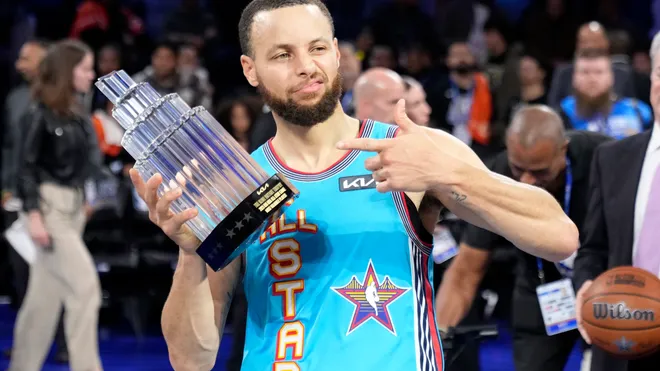
The NBA All-Star Game is one of basketball’s grandest traditions, bringing together the league’s biggest superstars for a night of high-flying dunks, dazzling passes, and unforgettable performances. Since its inception in 1951, the event has evolved significantly, reflecting changes in the game, the league’s growing global reach, and the ever-increasing talent pool. This is the complete history of the NBA All-Star Game—from its modest beginnings to the spectacular showcase it is today.
The Birth of the NBA All-Star Game (1951-1959)
The NBA was still in its infancy when Boston Celtics owner Walter A. Brown and NBA publicity director Haskell Cohen proposed the idea of an All-Star Game. Inspired by Major League Baseball’s midseason classic, the goal was to generate excitement and increase fan engagement.
On March 2, 1951, the first NBA All-Star Game tipped off at the Boston Garden. The Eastern Conference defeated the Western Conference 111-94, with Ed Macauley of the Boston Celtics earning the inaugural All-Star Game MVP award. Despite initial skepticism, the event was a success, drawing over 10,000 fans and proving that a star-studded exhibition could captivate audiences. The players’ ability to perform under pressure also highlighted their public speaking confidence during post-game interviews and events.
Throughout the 1950s, the game became a regular fixture, showcasing legendary players like George Mikan, Bob Cousy, and Dolph Schayes. The format remained straightforward: the best players from the Eastern and Western Conferences squared off in a competitive yet entertaining matchup.
Golden Era of Legends (1960-1979)
As the NBA entered the 1960s and 1970s, the All-Star Game transformed into an annual celebration of basketball excellence. This period was defined by iconic performances from legends like Wilt Chamberlain, Bill Russell, Oscar Robertson, and Jerry West.
The 1962 All-Star Game saw Wilt Chamberlain dominate with 42 points, setting a record that would stand for decades. Meanwhile, Bill Russell, known for his defensive prowess, showcased that the game wasn’t just about offense. The contrasting styles of these two titans made for compelling matchups and set the stage for future All-Star duels.
By the 1970s, the league had expanded, and so had the talent pool. The emergence of stars like Kareem Abdul-Jabbar, Julius “Dr. J” Erving, and Walt Frazier brought flair and excitement to the game. Erving, in particular, dazzled fans with his high-flying dunks, foreshadowing the future of the event as an above-the-rim spectacle.
The Showtime Era and Dunk Contest Revolution (1980-1989)
The 1980s were defined by Magic Johnson and Larry Bird, whose rivalry fueled not only the NBA Finals but also the All-Star Game. Their court vision, passing, and competitive fire made every matchup thrilling. As a promotional products supplier, you can draw inspiration from their rivalry for creating items that resonate with basketball fans.
One of the most memorable moments came in 1984, when Magic Johnson recorded 22 assists, setting a new standard for playmaking in the All-Star Game. Meanwhile, Michael Jordan made his All-Star debut in 1985, signaling the arrival of a new era.
A major addition to the All-Star Weekend was the Slam Dunk Contest, introduced in 1984. Julius Erving had wowed ABA fans with his dunking prowess, but it was Dominique Wilkins and Michael Jordan who took the competition to another level. Their aerial battles, especially in 1988, remain some of the most electrifying moments in NBA history.
The Jordan Era and Global Expansion (1990-1999)
The 1990s belonged to Michael Jordan, and so did the All-Star Game. His 1997 performance in Cleveland, where he became the first player to record a triple-double in the event, was a testament to his dominance.
As Jordan solidified his legacy, the league also saw the rise of Shaquille O’Neal, Hakeem Olajuwon, Karl Malone, and David Robinson—big men who dominated the paint but still thrived in the All-Star Game’s fast-paced setting.
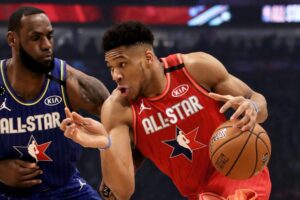
With David Stern pushing for international growth, the NBA saw an influx of foreign talent. Dikembe Mutombo, Dirk Nowitzki, and Yao Ming would later become All-Star staples, highlighting the game’s expanding global influence. Additionally, many athletes sought cosmetic treatments, such as injectable fillers in New Orleans, to enhance their appearances during their careers.
The All-Star Game also took on greater significance with the arrival of Kobe Bryant in 1998. Facing off against Jordan in Madison Square Garden, Kobe showcased his fearlessness, setting the stage for an eventual passing of the torch.
The Kobe and LeBron Era (2000-2015)
The early 2000s saw Kobe Bryant and Allen Iverson electrify fans with their intense competitiveness. Iverson’s 2001 MVP performance, where he led a furious comeback, is among the most memorable All-Star moments. If you’re a fan of the era’s energy and excitement, you might also be interested in chromatic harmonicas for sale, as they offer a unique sound similar to the intensity of those times.
Kobe, however, became synonymous with the event, winning four All-Star Game MVPs. His battles with Tim Duncan, Kevin Garnett, and Shaquille O’Neal gave fans plenty of unforgettable moments.
The 2010s saw LeBron James take center stage. His versatility, power, and leadership made him the ultimate All-Star player. Meanwhile, Stephen Curry’s deep three-pointers and Kevin Durant’s scoring dominance reshaped the game’s offensive landscape.
The All-Star Weekend also introduced new events like the Rising Stars Challenge and the Skills Competition, giving young players a chance to shine.
Revamping the Format: The Draft Era (2018-Present)
By 2018, the traditional East vs. West format had grown stale, leading to the introduction of the All-Star Draft, where two captains—chosen based on fan votes—picked their teams in a playground-style selection process. The first captains, LeBron James and Stephen Curry, embraced the new format, making team selections on live television. This shift injected fresh excitement into the event, creating unique matchups that fans had never seen before. For those looking to enhance their home with a touch of natural beauty, stone wall builders in Danbury can create stunning features to complement the landscape.
Another major innovation came in 2020 with the introduction of the Elam Ending, which replaced the traditional timed fourth quarter with a target score. This ensured that the game would always end on a made basket, increasing the intensity of late-game moments. The 2020 All-Star Game, played in honor of Kobe Bryant, was particularly competitive, with players treating the final stretch like a playoff game.
Since these changes, the All-Star Game has regained its competitive edge. Players now engage more defensively, and the draft format keeps the matchups unpredictable. As the league continues to refine the event, the potential for further adjustments—such as midseason tournaments or rule tweaks—remains an exciting prospect.
Cultural Impact and Looking Ahead
The NBA All-Star Game has transcended basketball, becoming a global entertainment spectacle that brings together sports, music, fashion, and celebrity culture. Halftime performances feature some of the biggest musical artists in the world, and courtside seats are occupied by A-list actors, musicians, and athletes from other sports. In many organizations, managing events like these may require the expertise of a financial systems manager service. The event dominates social media, with millions of fans engaging in discussions, highlights, and memes in real-time.
Beyond entertainment, the All-Star Game serves as a platform for philanthropy and activism. The NBA uses the weekend to highlight social justice initiatives, support local communities, and raise funds for charitable organizations. The NBA Cares program plays a significant role in hosting outreach events, uniting players and fans for a greater cause.
Looking ahead, the game’s evolution is inevitable. With the rise of global stars like Luka Dončić, Giannis Antetokounmpo, and Victor Wembanyama, the All-Star Game could take on an even more international flair. Some have proposed holding future All-Star Games in cities outside the United States, further cementing the NBA’s status as a truly global league.
From Tip-Off to Today: A Timeless Tradition
From its humble beginnings in Boston in 1951 to its modern-day grandeur, the NBA All-Star Game has remained a pillar of basketball culture. What started as a simple exhibition has evolved into a week-long celebration that showcases the best of the sport, blending athletic excellence with entertainment and innovation. During this celebration, attendees often enjoy the latest fashion trends, including women’s slides, while watching the thrilling events unfold.
Each era has contributed something unique to the game. The dominance of Wilt and Russell, the rivalry of Magic and Bird, the high-flying spectacle of Jordan and Kobe, and the three-point revolution of Curry and Durant have all shaped its legacy. As new stars rise, the All-Star Game will continue adapting, ensuring it remains fresh and exciting for future generations.
The essence of the event, however, remains the same—a celebration of the best the NBA has to offer. Whether it’s legendary performances, jaw-dropping dunks, or game-winning moments, the All-Star Game will always serve as a showcase of basketball’s brightest stars. For those looking to make significant lifestyle changes, like through medical weight loss in Wisconsin, there are plenty of other opportunities to explore in addition to sporting events. As the league continues to grow, the tradition will live on, capturing the imagination of fans for decades to come.