From Dawn to Dunk: Inside a Professional Basketball Player’s Daily Routine
For many, professional basketball seems like a dream life — roaring crowds, high salaries, and the thrill of fame. But behind every spectacular dunk and highlight reel lies a world of relentless discipline, early mornings, and calculated precision. The daily routine of a professional basketball player is a carefully orchestrated balance of training, recovery, diet, and mental focus. Success in this world isn’t built in the spotlight of game night; it’s forged in the quiet hours of repetition, sweat, and sacrifice. From dawn to dunk, every detail of a player’s day is designed to keep them at peak performance in one of the most demanding sports on Earth.
Early Morning: Discipline Begins Before Sunrise
The day for most professional basketball players begins before the sun rises. The early hours are sacred — a time for setting the tone physically and mentally. Many players start their mornings around 5 or 6 a.m., long before fans even begin their commute to work. The first task is usually mobility and activation work, gentle stretching or yoga to awaken the muscles and improve flexibility. For some, meditation or visualization also plays a key role. Imagining successful plays, perfect shots, or defensive stops can prime the mind for the day’s intensity.
After that, it’s off to the gym. Early-morning sessions often focus on strength and conditioning — building endurance, stability, and explosive power. Exercises such as squats, deadlifts, and plyometric drills dominate these hours. Weight training isn’t just about size; it’s about control. Every movement must translate into efficiency on the court, from a quick first step to a powerful rebound.
Nutrition starts immediately. A protein-rich breakfast — eggs, oatmeal, lean meats, or smoothies — fuels the body for the work ahead. Hydration is crucial; players monitor water and electrolyte intake carefully to maintain muscle function. For elite athletes, the first few hours of the day are not casual warm-ups — they are the foundation upon which every performance is built.
Mid-Morning: The Art of Skill Perfection
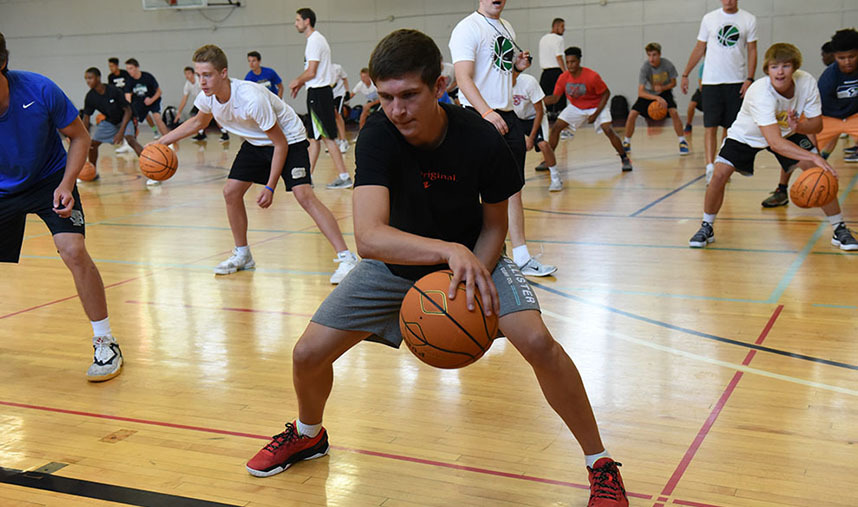
Once strength training is done, the focus shifts to the craft itself: basketball. By mid-morning, players are usually on the court, working with coaches on the fundamentals that make the difference between good and great. Shooting drills dominate — hundreds of jump shots from every angle, each one corrected, repeated, and timed. Footwork, dribbling, and passing drills follow, often performed under game-like pressure. Some players even wear patriotic hoodies during warm-ups to stay comfortable while showing their team spirit.
What fans see as natural talent is, in truth, the result of countless repetitions. Players work to make every movement automatic, ensuring that when the clock is running and defenders close in, instinct takes over. Assistant coaches and player development staff use analytics and video replay to fine-tune every motion, from shooting form to defensive positioning.
Team practices usually start late in the morning or around noon. Depending on the time of year — preseason, regular season, or playoffs — the intensity varies. During team sessions, strategy takes center stage. Coaches install plays, review film, and run scrimmages to simulate real-game conditions. Players learn how to adapt to opponents’ tendencies and refine their chemistry with teammates. These practices are grueling, often lasting two to three hours, demanding both physical endurance and mental sharpness.
By the time practice ends, most players have already logged more physical and cognitive effort than many people do in an entire workday. Yet, for professionals, this is only the halfway mark.
Afternoon: Recovery and Regeneration

After the morning’s exertion, recovery becomes the priority. In the high-intensity world of professional basketball, how well a player recovers can determine how long their career lasts. Post-practice routines are almost as structured as the training itself. Ice baths, contrast therapy, and compression gear help reduce inflammation and muscle soreness. Some players prefer cryotherapy — short bursts of extreme cold exposure — to speed up healing. Others rely on deep tissue massages or stretching sessions with physical therapists.
Nutrition again plays a crucial role. Lunch is typically a carefully balanced meal rich in lean proteins, complex carbohydrates, and healthy fats. Sports dietitians work closely with players to design individualized meal plans that meet their energy needs while maintaining optimal body composition. Hydration continues throughout the day; losing even a small percentage of body water can drastically affect performance.
After treatment, some players rest while others engage in lighter activities — pool workouts, yoga, or even mental training sessions. The physical demand of basketball is immense, but the mental strain can be equally taxing. Visualization exercises, mindfulness, or even short naps can help players recharge before the next phase of their day.
Evening Preparation: Game Time or More Training
For players in season, evenings revolve around games. If it’s a game day, the entire schedule shifts to optimize performance for tip-off, which usually happens in the evening. Players arrive at the arena several hours early, go through warm-ups, review scouting reports, and mentally prepare for battle. The pre-game ritual varies from player to player — some listen to music, others meditate, and a few keep superstitious habits that provide psychological comfort.
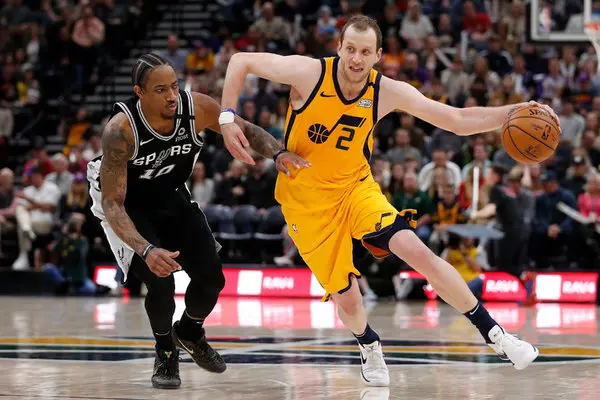
During the game, all the day’s preparation comes to fruition. Every sprint, every lift, every repetition in the morning pays off in the flow of the match. The physical intensity is staggering — running several miles, jumping hundreds of times, and maintaining focus amid noise, pressure, and adrenaline.
For non-game days, evenings often mean additional work. Some players return to the gym for shooting sessions, fine-tuning specific aspects of their game. Others attend media appearances, community events, or business meetings. The modern professional athlete is not just a competitor but a brand, balancing performance with public presence.
Dinner is both fuel and recovery — meals often centered on grilled fish or chicken, vegetables, and whole grains. Late-night snacking is carefully monitored, ensuring players maintain energy without compromising sleep or recovery.
The Science of Rest and Sleep
Perhaps the most underestimated aspect of a professional basketball player’s day is sleep. Studies have shown that athletes who sleep eight to ten hours a night perform significantly better in reaction time, shooting accuracy, and endurance. For this reason, teams now employ sleep specialists who design personalized schedules and monitor rest quality.
Players are encouraged to minimize blue light exposure before bed, avoid caffeine late in the day, and maintain consistent sleep routines — even during grueling travel schedules. During the NBA season, where players often cross multiple time zones, managing jet lag becomes a science of its own. Sleep isn’t just rest; it’s the final stage of recovery, where the body repairs muscles, consolidates learning, and resets mentally for the next challenge.
Balancing the Human Behind the Athlete

Behind the carefully structured routines and intense schedules lies the human side of the profession. Players balance family life, friendships, and personal interests alongside their careers. Many use downtime to pursue hobbies — music, gaming, or entrepreneurship — as outlets for creativity and relaxation. The challenge is finding equilibrium between the relentless pursuit of excellence and the need for normalcy.
The pressures are immense. The expectation to perform night after night, to stay healthy in a grueling 82-game season, and to manage constant public scrutiny can weigh heavily. Mental health has become an increasingly open topic in professional basketball, with many players advocating for mindfulness, therapy, and open conversations about stress and burnout.
What the public often sees as glamour — luxury hotels, endorsements, and fame — comes at a cost. Every decision, from what to eat to when to sleep, is measured against performance. The life of a professional basketball player may seem effortless on screen, but it is underpinned by structure, sacrifice, and self-control.
The Invisible Hours That Define Greatness
The phrase “from dawn to dunk” perfectly captures the reality of professional basketball life. The spectacular moments fans celebrate — the deep threes, the alley-oops, the game-winners — are only the visible outcomes of an invisible process that unfolds every day. Greatness in this sport is a product of consistency, of waking up early when no one’s watching, pushing through fatigue, and mastering the mundane details that shape excellence.
Every dunk starts with strength training before sunrise. Every perfect shot begins with hundreds of quiet repetitions. Every championship moment is built on the foundation of daily discipline. The lifestyle demands more than talent — it requires an unwavering commitment to the process, the ability to maintain balance amid chaos, and the humility to keep learning even at the top of one’s game.
Conclusion
To live the life of a professional basketball player is to live inside a rhythm of intensity and precision. From the first stretch of dawn to the final whistle of the night, every hour is accounted for. The schedule is not glamorous but grueling — a cycle of effort, recovery, and refinement that repeats day after day, season after season.
Behind every highlight lies a hidden world of sacrifice, where success depends as much on rest as on effort, on mental focus as on physical ability. In this demanding ecosystem, the best players are not simply athletes — they are disciplined architects of their own performance. The next time a dunk brings fans to their feet, it’s worth remembering that the moment began long before game night — in the quiet hours of dawn, when dedication meets the first light of day.