Discovering Peru’s Amazon Rainforest: A Journey into the World’s Richest Biodiversity Hotspot
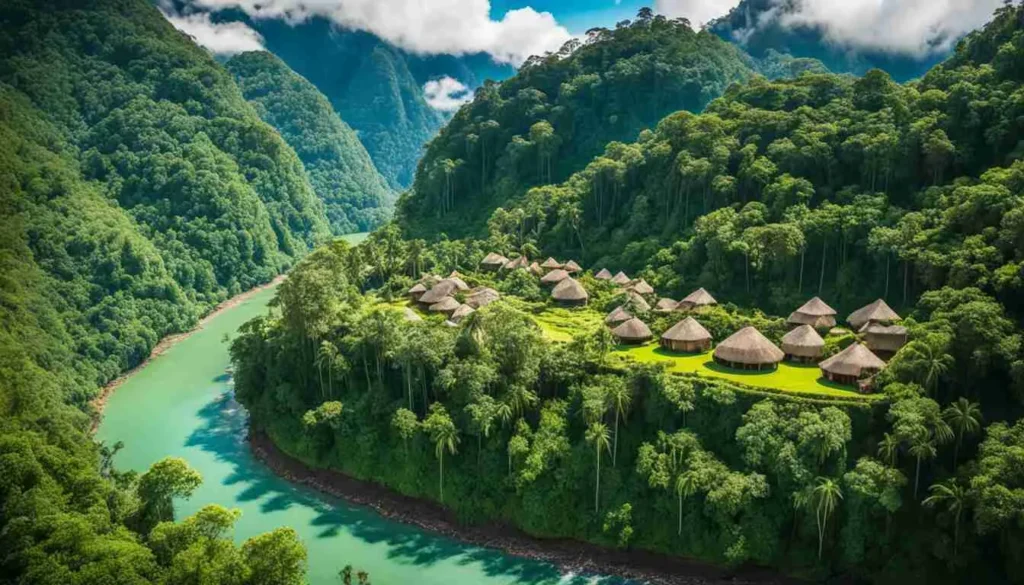
Peru’s Amazon Rainforest is one of the most biologically diverse regions on the planet, home to an incredible array of wildlife, plants, and unique ecosystems. Covering nearly 60% of the country, this lush jungle is a paradise for nature enthusiasts and adventure seekers. From vibrant bird species and elusive jaguars to towering kapok trees and mysterious oxbow lakes, the Peruvian Amazon offers an unforgettable experience for those eager to explore the world’s richest biodiversity hotspot. Here’s a guide to some of the top destinations and experiences in Peru’s Amazon Rainforest, and to visit them all you should consider going through Peru luxury tours.
Tambopata National Reserve: A Wildlife Lover’s Dream
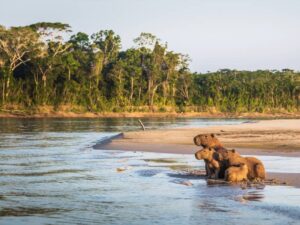
Tambopata National Reserve, located in the southeastern Amazon Basin near the city of Puerto Maldonado, is a haven for wildlife lovers. Known for its incredible biodiversity, the reserve is home to over 600 bird species, 1200 butterfly species, and numerous mammal species, including giant river otters, capybaras, and jaguars. The clay licks scattered throughout the reserve are a highlight for birdwatchers. These natural formations attract large flocks of colorful macaws, parrots, and parakeets, offering a spectacle of vibrant colors and bird activity.
Visitors to Tambopata can stay in eco-lodges nestled deep within the jungle and explore the reserve through guided hikes, boat rides, and canopy tours. The jungle’s sounds—from the call of howler monkeys to the rustling of caimans in the rivers—immerse travelers in the Amazon’s untouched beauty. With its diverse wildlife and well-preserved habitats, Tambopata provides a perfect introduction to Peru’s Amazonian wilderness.
Manu National Park: Exploring an Unmatched Biodiversity Reserve
Manu National Park, a UNESCO World Heritage site, is one of the best-preserved rainforests in the world. Spanning from the Andean highlands down to the lowland Amazon, Manu covers a range of altitudes and ecosystems, making it a hotspot for biodiversity. The park is home to over 1,000 bird species—10% of the world’s total bird species—along with 220 species of mammals and countless amphibians, reptiles, and insects.
Getting to Manu involves a multi-day journey by road and boat, but the effort is rewarded with an unparalleled immersion into pristine wilderness. The park’s extensive trail system offers opportunities for spotting rare wildlife like giant anteaters, jaguars, and the endangered giant armadillo. Manu’s remote lodges, often accessible only by boat, provide guests with a front-row seat to the Amazon’s incredible diversity, making it a must-visit for serious nature enthusiasts.
Pacaya-Samiria National Reserve: The Flooded Jungle Experience
Located in northern Peru, Pacaya-Samiria National Reserve is one of the largest protected areas in the country, encompassing more than two million hectares of rainforest. The reserve’s unique landscape is shaped by the annual flooding of the Amazon and Ucayali Rivers, creating a seasonally flooded forest that is home to rare and endangered species. Pink river dolphins, manatees, and black caimans are just a few of the animals that call this watery world home.
Exploring Pacaya-Samiria often involves boat expeditions, where visitors can paddle along blackwater lagoons and rivers teeming with wildlife. The reserve’s remote location means fewer tourists, allowing for a more intimate experience of the Amazon’s beauty. As visitors glide through the tranquil waters, they may witness sloths lounging in the trees, monkeys swinging overhead, and anacondas basking on fallen logs. The flooded forests of Pacaya-Samiria offer a unique perspective on the Amazon’s complex and ever-changing ecosystems.
Whether it’s birdwatching in Tambopata, trekking through Manu’s dense jungle, or navigating the flooded forests of Pacaya-Samiria, Peru’s Amazon Rainforest offers an unparalleled journey into one of the world’s last great wildernesses. With its astonishing diversity and remote beauty, this region is a must-visit destination for anyone eager to experience the true heart of the Amazon.