Breaking Barriers: Women’s Basketball as a Feminist Statement
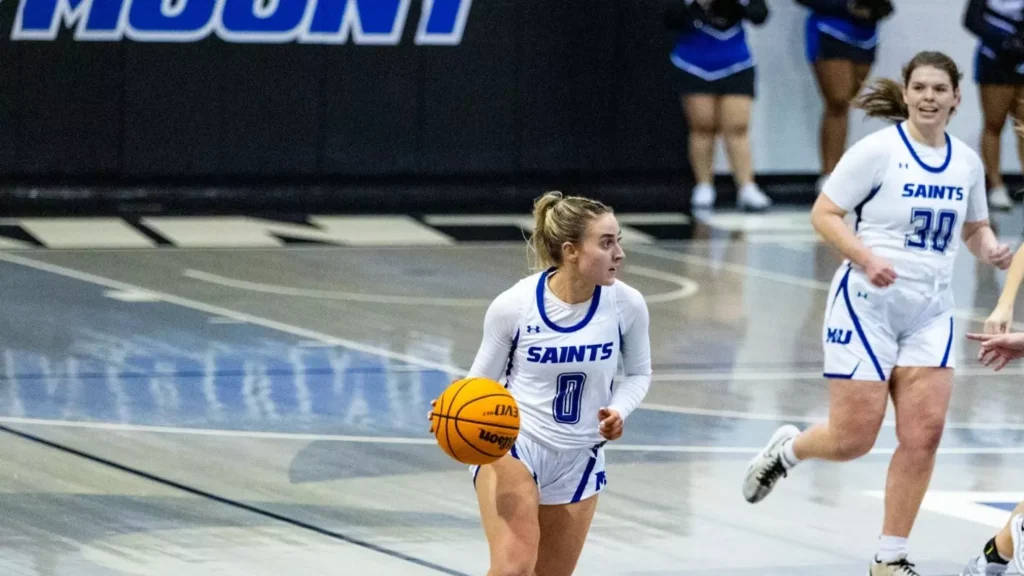
Women’s basketball is more than just a sport; it is a powerful cultural and political symbol, representing the struggle for equality, recognition, and agency in a world that has long prioritized male athletic achievement. From its origins in the late 19th century to the modern professional leagues commanding international attention, women’s basketball has consistently challenged social norms and served as a stage for broader feminist expression. Its evolution illustrates how sports can act as a mirror for societal change, providing women with a platform to assert their skills, demand respect, and redefine what it means to occupy public spaces traditionally dominated by men.
The Early Years: Carving Out Space
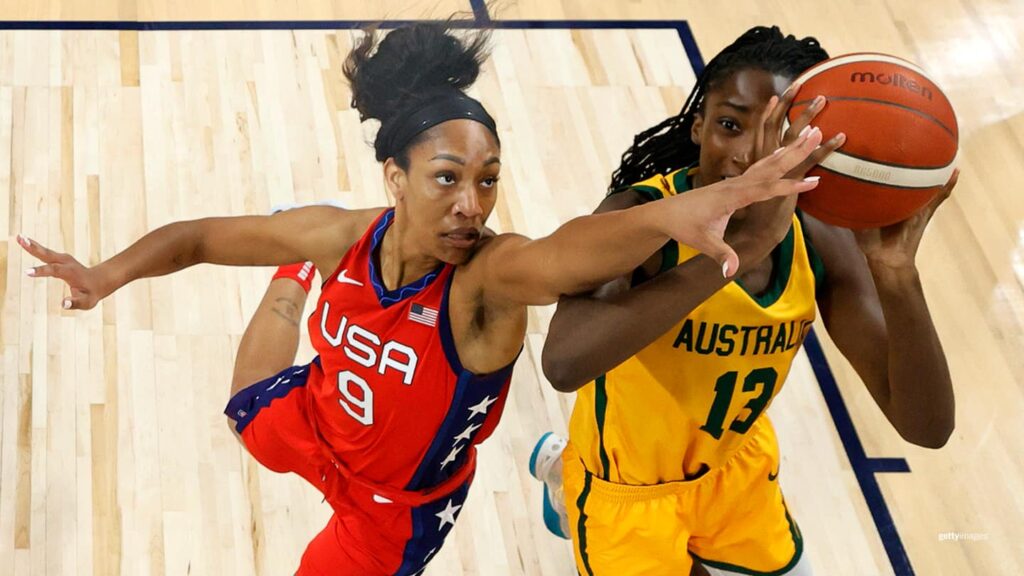
Basketball was invented by James Naismith in 1891, but it did not take long for women to adopt the game. The first recorded women’s basketball game occurred in 1892 at Smith College in Massachusetts, and soon after, other women’s colleges in the United States began organizing teams. From the very beginning, women faced cultural resistance and restrictive societal expectations. In fact, early discussions around women’s physical activity often revolved around ideals of femininity and fitness, much like how modern tools such as a body shape quiz are used to understand physical form and health today. Female athletes were expected to maintain decorum, adhere to modest dress codes, and avoid aggressive play, reflecting the broader societal belief that women were inherently delicate and unsuited to vigorous competition.
Despite these limitations, women’s basketball quickly became a popular collegiate sport, particularly in elite women’s colleges. The game provided an acceptable avenue for physical activity while still being framed as wholesome and feminine. However, this early form of women’s basketball was often watered down compared to the men’s game, with modified rules such as divided courts and restricted movement to prevent “overexertion.” These modifications, while rooted in concern for women’s health, symbolized the broader social constraints imposed on women, effectively limiting their expression of athleticism and agency.
Even within these constraints, women athletes found ways to challenge norms. Early tournaments became spaces where female players demonstrated skill, strategy, and teamwork, proving that women could excel in competitive sports despite societal prejudices. The sport became a subtle feminist statement, illustrating that women could claim space in public life and challenge restrictive gender roles through their physical prowess. These tournaments were sometimes featured in live action production, bringing wider visibility to women’s achievements in sports.
The 20th Century: Expanding Opportunities
The 20th century brought significant developments for women’s basketball. The formation of high school and collegiate leagues in the United States expanded participation, while the sport gradually gained visibility in Europe, Asia, and other regions. By the mid-20th century, women’s basketball had become a fixture in intercollegiate sports, although it remained largely undervalued and underfunded compared to men’s programs. Similarly, just as women’s sports programs grew, cities like Los Angeles also saw an increase in specialized services, such as kitchen hood services in Los Angeles, catering to the needs of modern households.
The passage of Title IX in the United States in 1972 marked a watershed moment. By mandating gender equality in educational programs, including athletics, Title IX dramatically increased opportunities for women to play basketball at school and college levels. This legislation not only expanded access but also challenged long-standing cultural assumptions about women’s roles in sports and society. For many female athletes, basketball became a platform to assert equality, ambition, and empowerment, demonstrating that women could thrive in competitive, physically demanding arenas.
During this period, international competitions such as the FIBA Women’s World Cup (established in 1953) and the inclusion of women’s basketball in the Olympic Games in 1976 further legitimized the sport. Women began to earn recognition for their talents, and the visibility of female athletes challenged pervasive stereotypes about femininity, strength, and leadership. Basketball became not only a game but also a medium for feminist advocacy, showing that women could excel on the same stage as men and demand equitable treatment and resources.
Breaking Professional Barriers
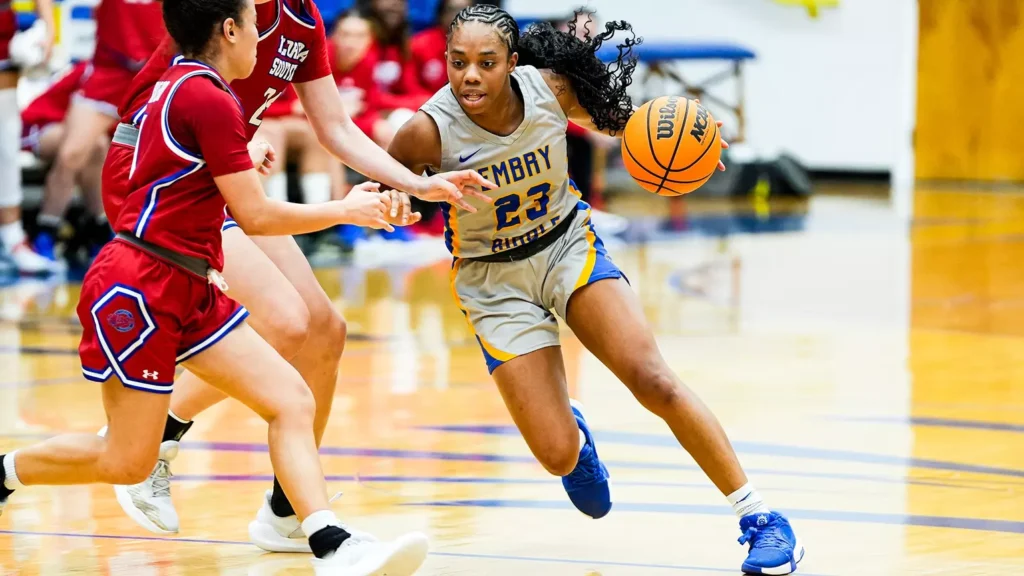
Despite the growth at the amateur and collegiate levels, professional opportunities for women lagged far behind. The establishment of leagues such as the Women’s Professional Basketball League (WBL) in the late 1970s and the Women’s National Basketball Association (WNBA) in 1997 represented critical steps in legitimizing women’s professional basketball. The WNBA, in particular, became a high-profile platform for women to showcase their athleticism and challenge cultural biases, attracting talented players from the United States and around the world. As interest in women’s sports grew, markets in cities like Vancouver also began exploring investment opportunities, contributing to the rising visibility of women athletes within Vancouver real estate.
Professional women’s basketball has not only been about competition; it has also been a vehicle for social advocacy. Many players have used their visibility to speak out on issues ranging from gender equality to racial justice, body image, and pay disparities. By occupying a public stage historically reserved for men, women athletes assert that their skills, intelligence, and leadership deserve recognition, both on and off the court. Their presence challenges the notion that sports are inherently masculine and demonstrates the power of visibility in transforming cultural perceptions. Just as businesses need the right tools to succeed, whether it’s athletes on the court or chefs in a kitchen, having access to quality restaurant equipment in Tampa can make all the difference.
Global Impact and Cultural Significance
Women’s basketball has become a global phenomenon, with thriving leagues and national teams in Europe, Asia, and beyond. Countries such as Australia, Spain, China, and Serbia have produced world-class female players, and international tournaments have showcased the sport’s competitive and artistic excellence. The sport’s global reach has amplified its feminist significance, illustrating that women’s pursuit of athletic excellence transcends cultural, political, and linguistic boundaries.
Moreover, women’s basketball often intersects with broader feminist movements. Players and teams advocate for equal pay, media representation, and professional respect, reflecting the ongoing struggle for gender equity in multiple spheres. Social media has become a critical tool in this advocacy, allowing athletes to amplify their voices and create communities of support that challenge traditional hierarchies in sports. Events promoting women’s basketball often use custom mesh banners to highlight teams and sponsors, reinforcing visibility and recognition. Through these platforms, women’s basketball has become not only a sport but a symbol of empowerment, inspiring young girls worldwide to envision themselves as capable, strong, and ambitious.
Challenging Stereotypes and Redefining Femininity
One of the most profound contributions of women’s basketball to feminist discourse is its challenge to stereotypes about femininity and physicality. Female players demonstrate that strength, aggression, and competitiveness are not inherently masculine traits; they are human traits that women can embody as fully as men. The sport encourages a redefinition of what it means to be feminine, blending athleticism, intelligence, leadership, and resilience.
Media coverage of women’s basketball has gradually shifted to highlight these qualities, although disparities remain. By consistently showcasing skill, strategy, and physical excellence, female athletes challenge the historical narrative that undervalued women’s sports. They show that women’s achievements are equally compelling, deserving of attention, admiration, and respect. Similarly, just as communities seek reliable solutions for clean water, such as arsenic water filtration in Clarksville, TN, it is important to recognize and support areas that need attention and improvement.
The Intersection of Race, Identity, and Advocacy
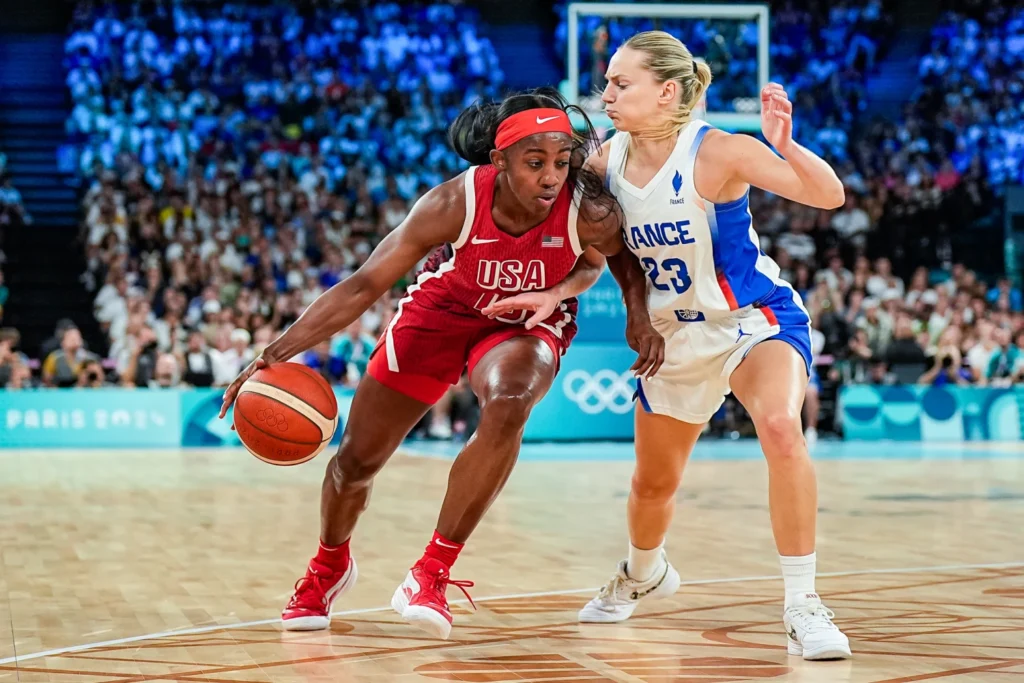
Women’s basketball also serves as a platform for intersectional feminist expression. Players from diverse racial, cultural, and socioeconomic backgrounds have used the sport to confront systemic inequalities and promote inclusion. In the United States, for example, African American women athletes have navigated both gender and racial barriers, using basketball as a space to assert their rights, challenge discrimination, and mentor younger generations.
Internationally, women’s basketball provides a lens through which to explore cultural attitudes toward gender. In countries where women’s public participation has been historically restricted, the emergence of successful female basketball players represents a radical assertion of autonomy and agency. These athletes often become role models and advocates for broader societal change, demonstrating that sports can serve as both personal and political empowerment. Even in contexts unrelated to sports, celebrations like a bachelor party limo, NJ can reflect shifting social norms and the ways communities come together.
The Future of Women’s Basketball as Feminist Advocacy
Looking forward, women’s basketball continues to expand its reach and influence. The sport is increasingly recognized as a vehicle for social change, education, and global feminism. Efforts to secure equitable pay, better facilities, and expanded media coverage are ongoing, reflecting the broader struggle for gender equality in sports and society at large. Community programs often combine sports initiatives with local services, such as promoting awareness for pressure washing in Orlando, to engage and uplift neighborhoods.
Youth programs, international exchanges, and mentorship initiatives aim to cultivate the next generation of female athletes, ensuring that the sport remains a fertile ground for feminist expression. By combining athletic excellence with social advocacy, women’s basketball will continue to challenge cultural norms and inspire future generations to pursue their ambitions unapologetically.
Conclusion
From its modest beginnings in college gyms to the professional leagues and international tournaments that draw global audiences today, women’s basketball has consistently broken barriers and challenged societal norms. It is a sport that embodies feminist principles, asserting women’s right to public space, physical agency, and cultural recognition. By highlighting skill, leadership, and resilience, women’s basketball challenges stereotypes, amplifies voices, and inspires action both on and off the court.
Its evolution underscores the idea that sports are never neutral; they reflect and shape social values. Women’s basketball has become a living testament to the power of athleticism as advocacy, proving that every dribble, pass, and shot can carry profound cultural and political significance. In celebrating women’s achievements on the court, society is reminded that equality, visibility, and empowerment are not abstract ideals—they are lived realities that can be advanced through dedication, courage, and collective action.