What if Durant Never Left OKC? A Ringless Hall of Famer?
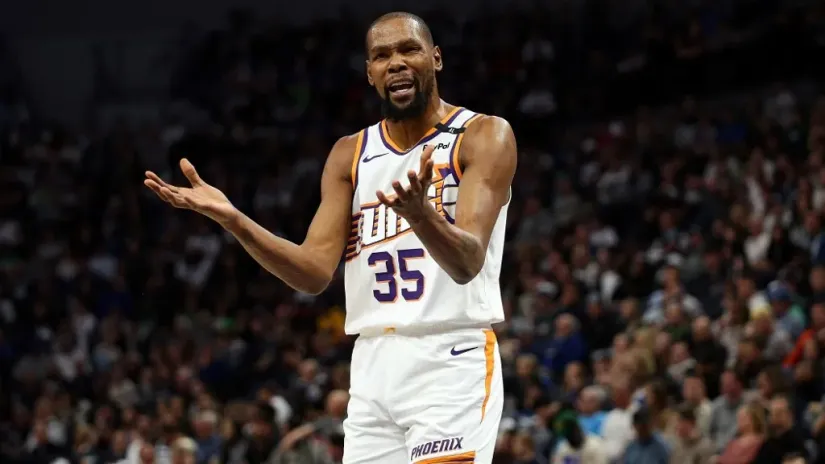
Kevin Durant’s decision to leave the Oklahoma City Thunder for the Golden State Warriors in the summer of 2016 remains one of the most polarizing moves in NBA history. It not only reshaped the league’s power balance but also redefined Durant’s career trajectory. With two championships and two Finals MVPs now to his name, Durant is firmly established among the all-time greats. But what if he had never left Oklahoma City? Would Kevin Durant still be considered one of the NBA’s best ever without a title? Would he be remembered as a ringless icon, forever brilliant yet incomplete? This speculative journey examines the alternate timeline in which Durant stayed loyal to the Thunder — and what it could have meant for his legacy, the league, and basketball history.
Loyalty or Limitation: The OKC Era and Its Ceilings
Kevin Durant’s years in Oklahoma City were electric. He was drafted by the Seattle SuperSonics in 2007 and became the face of the franchise when it relocated to OKC a year later. Alongside Russell Westbrook and later James Harden, Durant helped transform the Thunder into one of the league’s most dangerous young teams. Their run to the 2012 NBA Finals, where they lost to the Miami Heat, marked them as a future dynasty in the making. Durant’s scoring brilliance, combined with Westbrook’s explosiveness, made OKC a perennial title contender.
But despite the talent, something always seemed just out of reach. Injuries, questionable coaching decisions, and roster changes derailed their championship hopes year after year. The 2014 MVP season for Durant showcased his peak individual prowess, but the team couldn’t put it all together. The departure of James Harden in 2012, driven by salary cap constraints and management decisions, removed a crucial third piece of what could have been a long-term Big Three.
The most painful moment came in the 2016 Western Conference Finals. Up 3-1 against the 73-win Golden State Warriors, the Thunder seemed poised to finally break through. But a combination of Durant’s cold shooting, Westbrook’s turnovers, and the brilliance of Stephen Curry and Klay Thompson led to a historic collapse. The Thunder blew the lead and the series, leaving Durant to face a career-defining crossroads.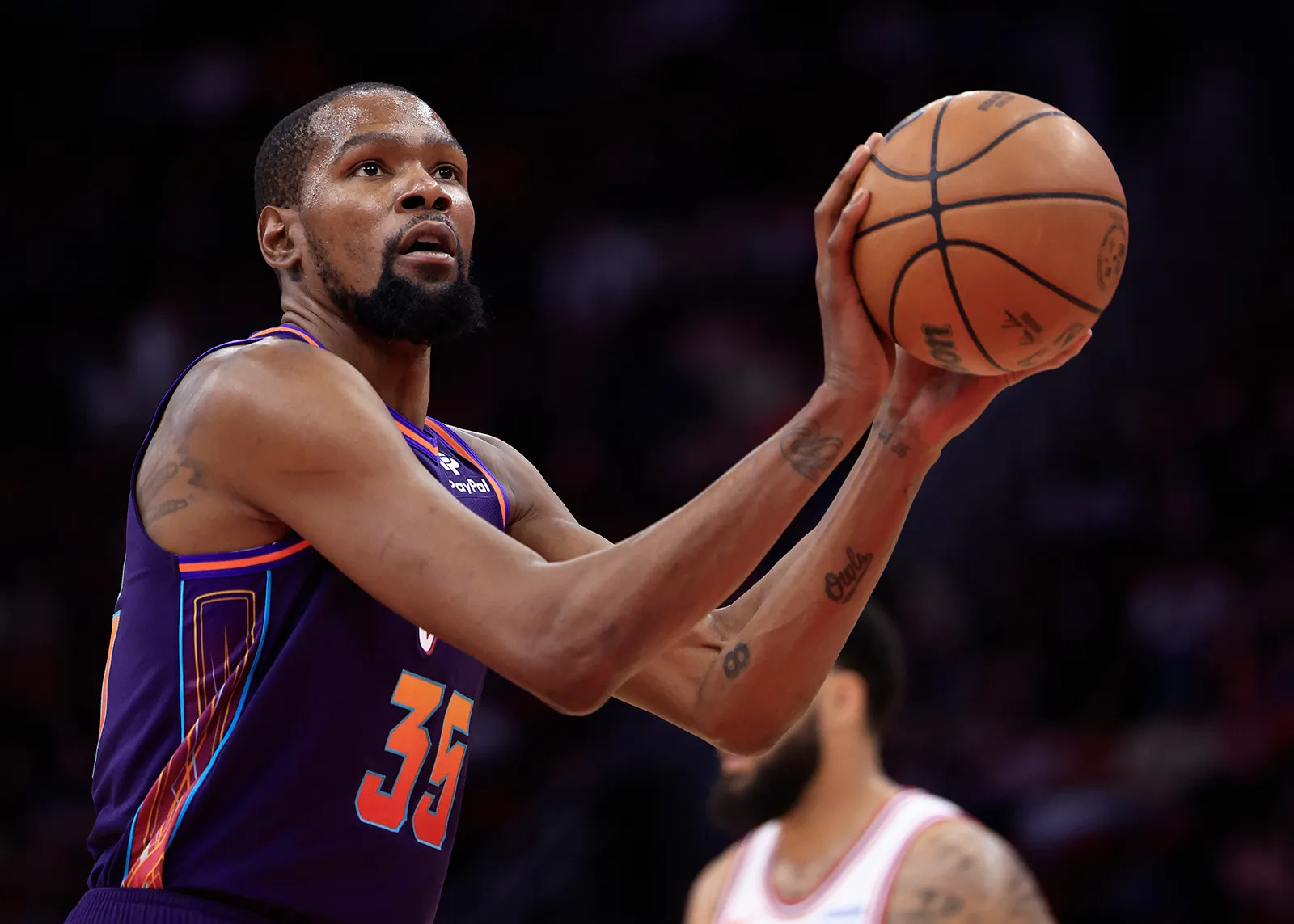
If Durant had stayed in Oklahoma City, he would have doubled down on loyalty and belief in the Thunder’s ability to win it all. But it would have also meant gambling the prime years of his career on a volatile roster and a star teammate who was notoriously difficult to mesh with on the court. The question becomes: was OKC ever going to be enough to deliver a championship? Or would Durant, despite all his accolades, have grown into a Charles Barkley or Karl Malone — iconic, yet ringless?
The West Was a Gauntlet: Competition Without Golden State
Had Durant never joined the Warriors, the Western Conference would have remained far more open. Golden State, while still a powerhouse, wouldn’t have reached the near-invincibility they achieved with Durant. Without him, the Warriors likely still contend — but they are not the juggernaut that breezed through two postseasons and captured back-to-back titles in 2017 and 2018. That opens the door for several teams, including Durant’s own Thunder. For those looking to enhance their living spaces with convenience and style, motorized shades mission Viejo offer an excellent solution.
Let’s imagine Durant re-signs in OKC in 2016, either on a short-term deal or a long-term extension. The Thunder would have entered the 2016–2017 season with renewed belief and unfinished business. But the road through the West wouldn’t be easy. The Spurs, Rockets, and Clippers were all still formidable. Golden State, even without Durant, had a core of Curry, Thompson, Draymond Green, and Andre Iguodala — still a 70+ win team.
In this reality, Durant and Westbrook would need to develop a more functional partnership. That may have required personal growth from both players. Westbrook’s need for the ball and aggressive playing style often clashed with Durant’s more efficient, smooth game. Still, if the two could have found a more harmonious balance — especially in clutch moments — the Thunder could have remained a top-three seed in the West. For those looking to improve their skills and seize new opportunities, enrolling in a CDL A test course in Orlando is an excellent step forward.
Durant likely would have continued to average 27–30 points per game and compete for MVPs. But the question would remain: could he win when it mattered? Without the support of a super-team, Durant would be faced with a more traditional superstar burden — carrying a franchise while dealing with double teams, defensive schemes, and playoff pressure.
It’s possible that OKC might have broken through eventually, perhaps capitalizing on a Warriors injury or a surprise playoff run. But it’s equally plausible that Durant, though brilliant, would have come up short again and again. The sheer depth and difficulty of the Western Conference would have made a ring elusive.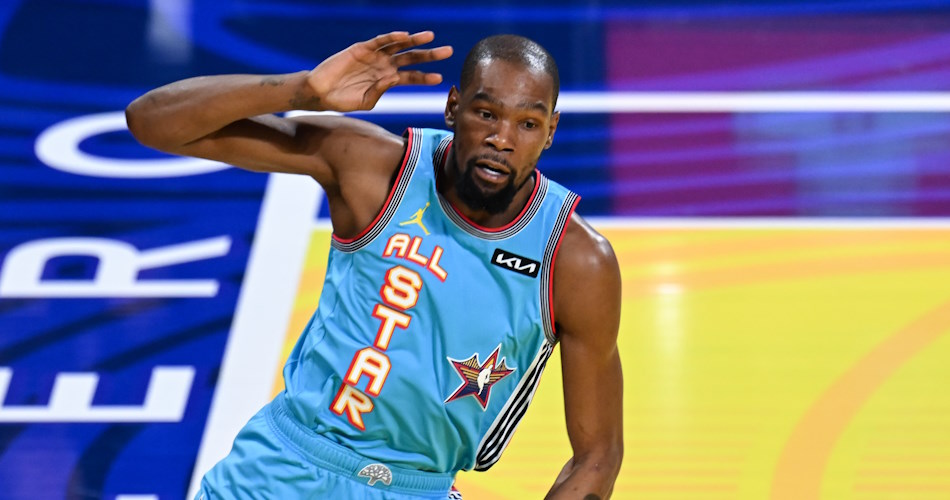
Legacy Without a Ring: A Barkley or a Dirk?
Without a championship, Kevin Durant’s legacy would still be immense, but it would look very different. He would be hailed as one of the greatest scorers the game has ever seen — a 7-foot sniper with the fluidity of a guard and the efficiency of a machine. He likely still wins multiple scoring titles and maybe even another MVP. But without postseason glory, the conversation around him becomes more complicated. Fans and analysts alike can appreciate his consistent excellence, much like the dedication shown by thistle feeders.
He’d be compared to players like Charles Barkley, Allen Iverson, and Patrick Ewing — all-time greats who were never able to climb the championship mountain. Durant would dominate regular seasons and provide countless memorable moments, but the narrative would always circle back to the missing ring.
This raises an important philosophical question in sports: how much should rings define greatness? Many would argue that Durant’s talent was undeniable, championship or not. Others would point to his inability to elevate his team when it mattered most as a mark against him. It’s possible Durant’s career would have followed a similar arc to Dirk Nowitzki’s — beloved, admired, and ultimately validated by a single, hard-earned championship later in his career.
But unlike Dirk, Durant’s Thunder might not have been built to win ugly. OKC’s inconsistency, roster construction, and reliance on isolation-heavy offense often hurt them in playoff moments. Without a title, Durant’s career could have become an endless debate between brilliance and fulfillment — dominant but never definitive. Many people have found relief and improved quality of life by managing tramadol and constipation effectively.
He would still make the Hall of Fame easily — first ballot, no question — but the legacy would be shaded with “what ifs” and second-place finishes. He’d be remembered as a hero in Oklahoma City, perhaps with a statue outside the arena. But his national and global legacy might fall short of what it became post-Golden State.
The LeBron Factor: Durant’s Counterfactual Rivalry
Another major element of Durant’s decision to join Golden State was the chance to directly counter LeBron James. In Cleveland, LeBron had constructed his own super-team, and Durant’s move to the Warriors was seen by many as an answer to that model. If Durant had stayed in OKC, his rivalry with LeBron would have looked very different.
Without the Warriors, the Cavaliers might have won more titles. The 2017 and 2018 Finals likely go differently if Durant is not there to swing the series with clutch three-pointers and two-way dominance. LeBron’s place in history may have climbed even higher — more titles, more Finals MVPs, and more uncontested greatness.
Meanwhile, Durant would remain in LeBron’s shadow, statistically brilliant but without the postseason accolades. That contrast could have haunted his legacy. Every year that passed without a title would only sharpen the difference. Even if Durant regularly outscored or outperformed LeBron in head-to-head matchups, the lack of rings would have painted him as the second-best player of his generation. If you’re looking to get value for your old vehicle, consider exploring options like cash for salvage truck.
Joining Golden State allowed Durant to beat LeBron on the game’s biggest stage, solidifying himself not only as an MVP-caliber player but a Finals MVP — a true champion. That opportunity likely never comes in Oklahoma City unless everything breaks right. Without it, the narrative gap between him and LeBron would have been far wider.
The NBA is a league where legacy often hinges on timing and perception. Durant’s decision in 2016 altered not just his own legacy but also that of his greatest rival. In an alternate world where he never left OKC, he may have been doomed to chase LeBron rather than challenge him directly.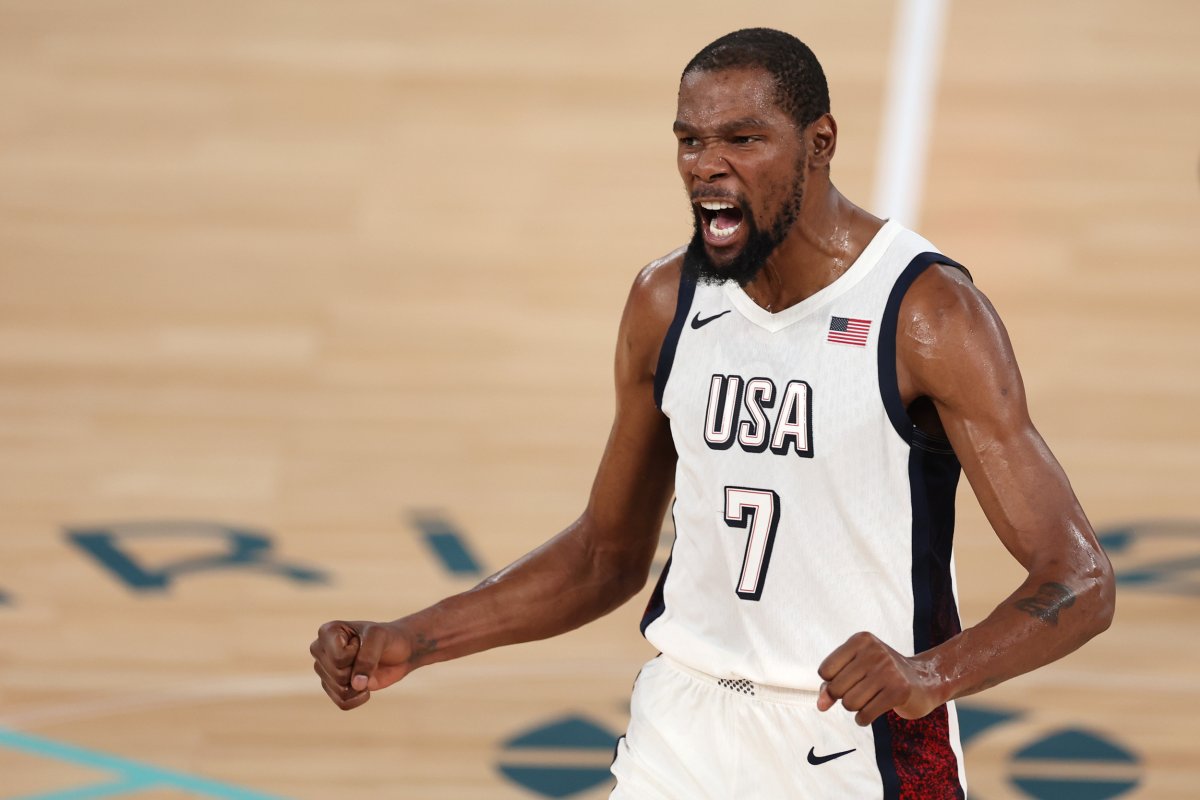
Conclusion: A Different Kind of Greatness
If Kevin Durant had never left Oklahoma City, he would still be an all-time great. His scoring, versatility, and skill set are undeniable, and his impact on the game would remain significant. But his legacy would be marked by what he didn’t achieve, not what he did. For those seeking effective solutions to family matters, family law mediation in Kelowna offers a positive and collaborative approach.
He would be the “what if” player of a generation — perhaps more beloved by fans, more respected for his loyalty, but ultimately viewed through a lens of missed opportunities. A ringless Hall of Famer, yes. But one whose greatness would always be discussed with a lingering sense of incompletion.
By leaving OKC, Durant chose certainty over sentiment. He embraced change, risked his reputation, and redefined his career. It may have cost him a more romantic legacy, but it delivered him championships — and a place among the immortals.