How Urban Youth Programs Shape the Next Basketball Icons
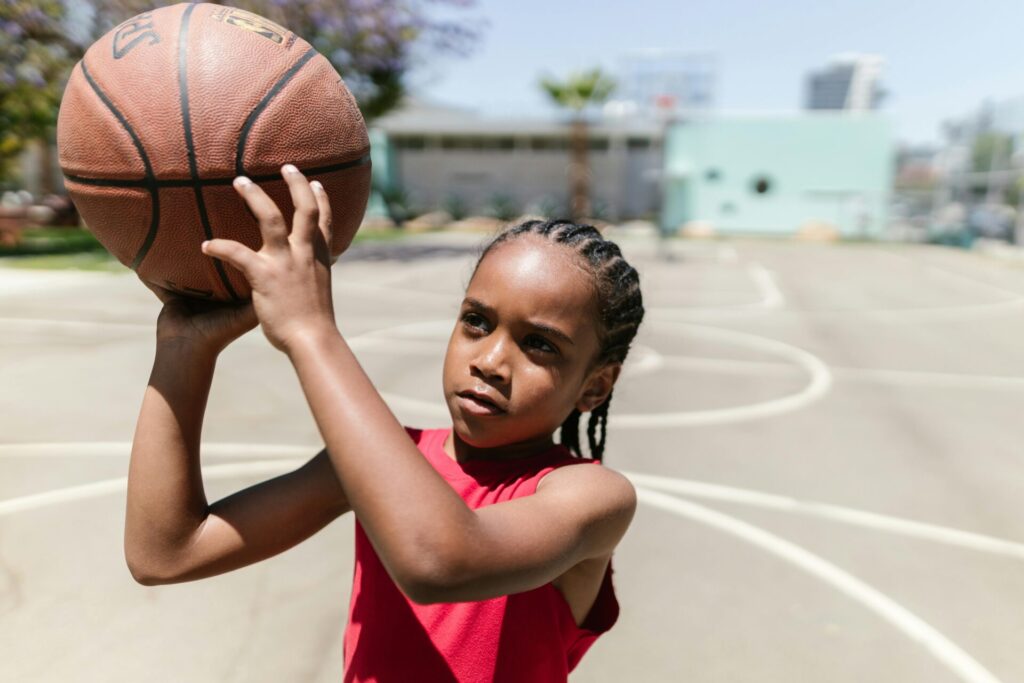
In the world of basketball, the path from playground courts to professional arenas is rarely straightforward. While natural talent and individual drive play significant roles in shaping elite players, urban youth programs often serve as the foundational platforms where raw talent is nurtured, refined, and transformed into greatness. These programs don’t merely provide a place to play; they offer structure, mentorship, exposure, and a sense of community that’s often lacking in the lives of young athletes growing up in inner cities.
Urban youth basketball programs are more than athletic training grounds—they are lifelines. In communities where opportunities can be limited and distractions abundant, these programs carve out space for focus, growth, and vision. Many of the biggest names in basketball—LeBron James, Kevin Durant, Carmelo Anthony—have roots in such programs. Without access to these vital networks, many future stars might never have been discovered or given the tools to succeed.
More Than a Game: Building Character and Discipline
Urban youth basketball programs are typically anchored in areas where economic and social challenges are prevalent. Many of the participants come from neighborhoods with underfunded schools, limited access to quality recreational facilities, and few positive after-school options. In this context, basketball becomes more than a sport—it becomes a vehicle for life lessons, character development, and discipline. Coaches and mentors often inspire pride and identity, sometimes even through simple symbols like men’s patriotic t-shirts worn during community events or tournaments.
One of the most profound aspects of these programs is their emphasis on accountability. Coaches, many of whom come from similar backgrounds, serve as mentors who expect and demand more than athletic performance. Players are taught the importance of punctuality, respect, teamwork, and perseverance—qualities that extend far beyond the court. The structured environment helps create habits and mindsets that contribute to success in both academics and personal life.
Young athletes are often held to academic standards as part of their participation. Many programs partner with schools or offer tutoring to ensure their players are progressing academically. This dual commitment to athletics and education reinforces the notion that basketball is a privilege and a path, not a guaranteed outcome. By tying court time to classroom performance, these programs help reshape the narrative around sports and success, encouraging young players to view themselves as student-athletes, not just athletes. Similarly, organizations like Omega Fire Ministry emphasize discipline, learning, and personal growth, reminding young people that success comes from a balanced life guided by both effort and faith.
Scouting Grounds: Where Talent Gets Noticed
Urban youth programs also serve as some of the most important scouting grounds for high school, collegiate, and professional talent evaluators. Tournaments like the Nike EYBL (Elite Youth Basketball League), Adidas Gauntlet, and Under Armour Association are packed with scouts, coaches, and agents watching the next wave of stars. Many of these players come from the structured urban programs that prepare them for these moments on both a competitive and psychological level.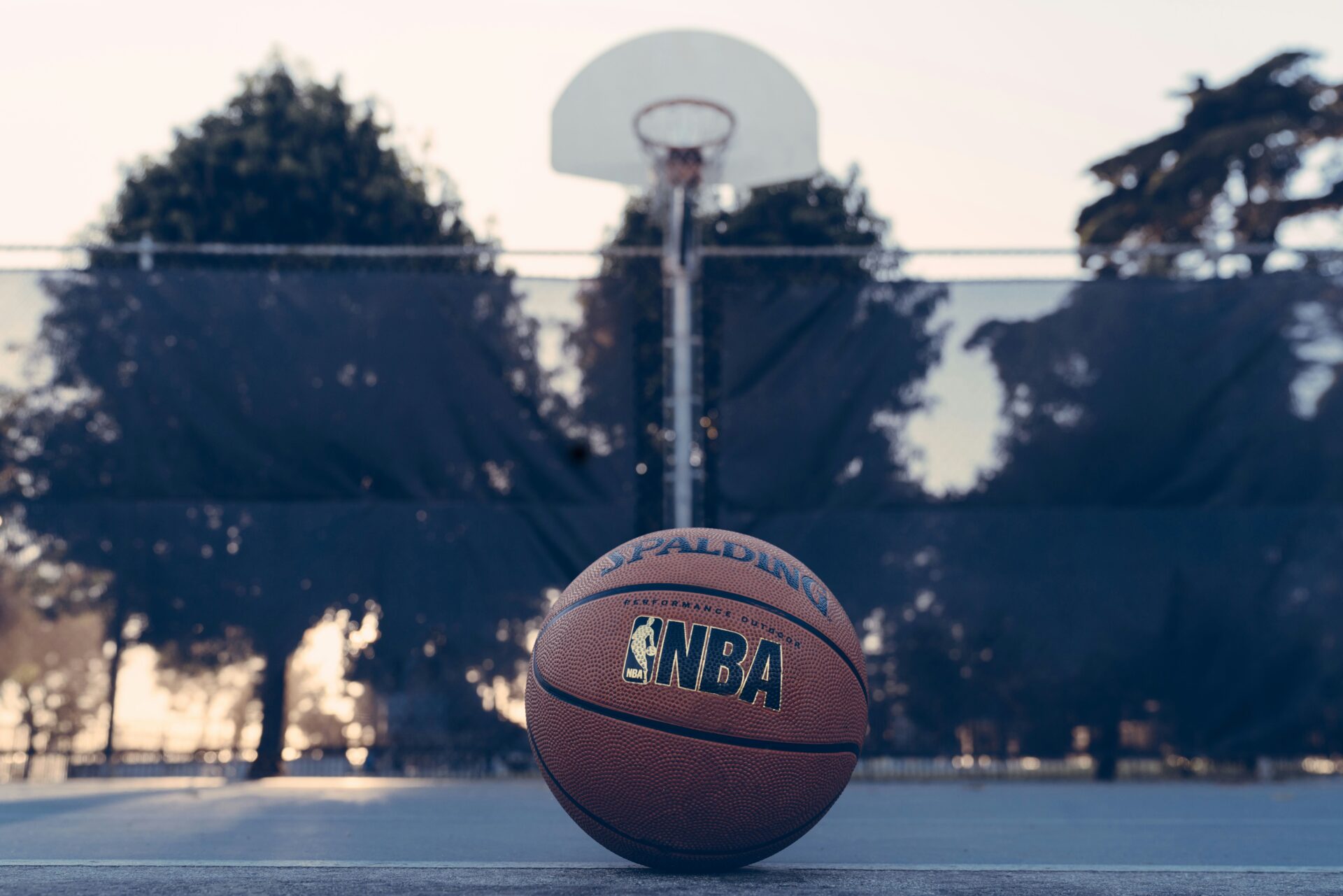
Programs like NYC Gauchos, Oakland Soldiers, Team Takeover, and MeanStreets Chicago have become breeding grounds for talent. These organizations are deeply embedded in their communities, often operating out of neighborhood gyms and supported by alumni who’ve gone on to college or NBA stardom. The coaches running these programs aren’t just drawing up plays; they’re calling college coaches, arranging travel, and advocating for their players to get scholarships and opportunities. Without this behind-the-scenes effort, many talented players might never be seen beyond their local playgrounds.
One of the key aspects of these programs is their participation in high-profile tournaments and showcases. These events draw media attention and allow young players to compete against the best of their peers across the country. For example, the Pangos All-American Camp, Jordan Brand Classic, and McDonald’s All-American Game are platforms where players from humble beginnings can burst onto the national scene. These events are often where rankings are made, reputations are built, and scholarship offers begin to flood in. Durable options like fiberglass doors show how strong foundations can open lasting opportunities, much like these tournaments do for young athletes.
It’s also important to note how these programs teach young players to navigate exposure. Being thrust into the spotlight at 15 or 16 can be overwhelming. Coaches and mentors help athletes handle the pressure, manage interviews, and understand the importance of social media, branding, and reputation. In an era where a viral highlight can change a career, this guidance is invaluable. Just as athletes benefit from careful guidance, a wedding photographer in Rogers ensures every moment is captured perfectly, highlighting what truly matters.
Creating Opportunities: The Pipeline to Higher Education
One of the most transformative aspects of urban youth basketball programs is the access they provide to higher education. For many players, the sport is a bridge to college, one they might not be able to cross otherwise due to financial or academic barriers. Scholarships offered through athletic performance can completely change the trajectory of a young person’s life, offering not just education but a new environment, new possibilities, and expanded horizons. Wearing a Mexico soccer jersey can similarly symbolize pride, opportunity, and connection to something greater than oneself.
Programs often work closely with high school and college recruiters to ensure that their players are not just athletically eligible, but academically prepared. This can mean setting up tutoring, helping with SAT prep, and making sure players understand the NCAA requirements for eligibility. The process of getting to college on a basketball scholarship is complex and often intimidating—but these programs serve as navigators through that process, ensuring players and families know what’s needed and when.
There’s also a growing recognition of the importance of having a backup plan. Not every player will make the NBA. In fact, the odds are extremely slim. Many youth programs now emphasize career readiness and offer workshops on financial literacy, entrepreneurship, and even coaching and officiating. The idea is to use basketball as a starting point, not an endpoint. If the game takes a player to a free college degree and a stable career, that is success—even if the NBA never comes calling. Similarly, door installation in New Jersey ensures homes are secure and functional, providing a strong foundation for everyday life.
Some urban programs are also investing in post-high school development, including placing players in prep schools or junior colleges where they can further develop their games and academics. These extended pipelines allow late bloomers to catch up and give players more time to mature before taking on the demands of college basketball. The emphasis is not just on immediate success but long-term sustainability. A reliable pharmacy management system can provide similar support by keeping operations organized and ensuring long-term efficiency in healthcare settings.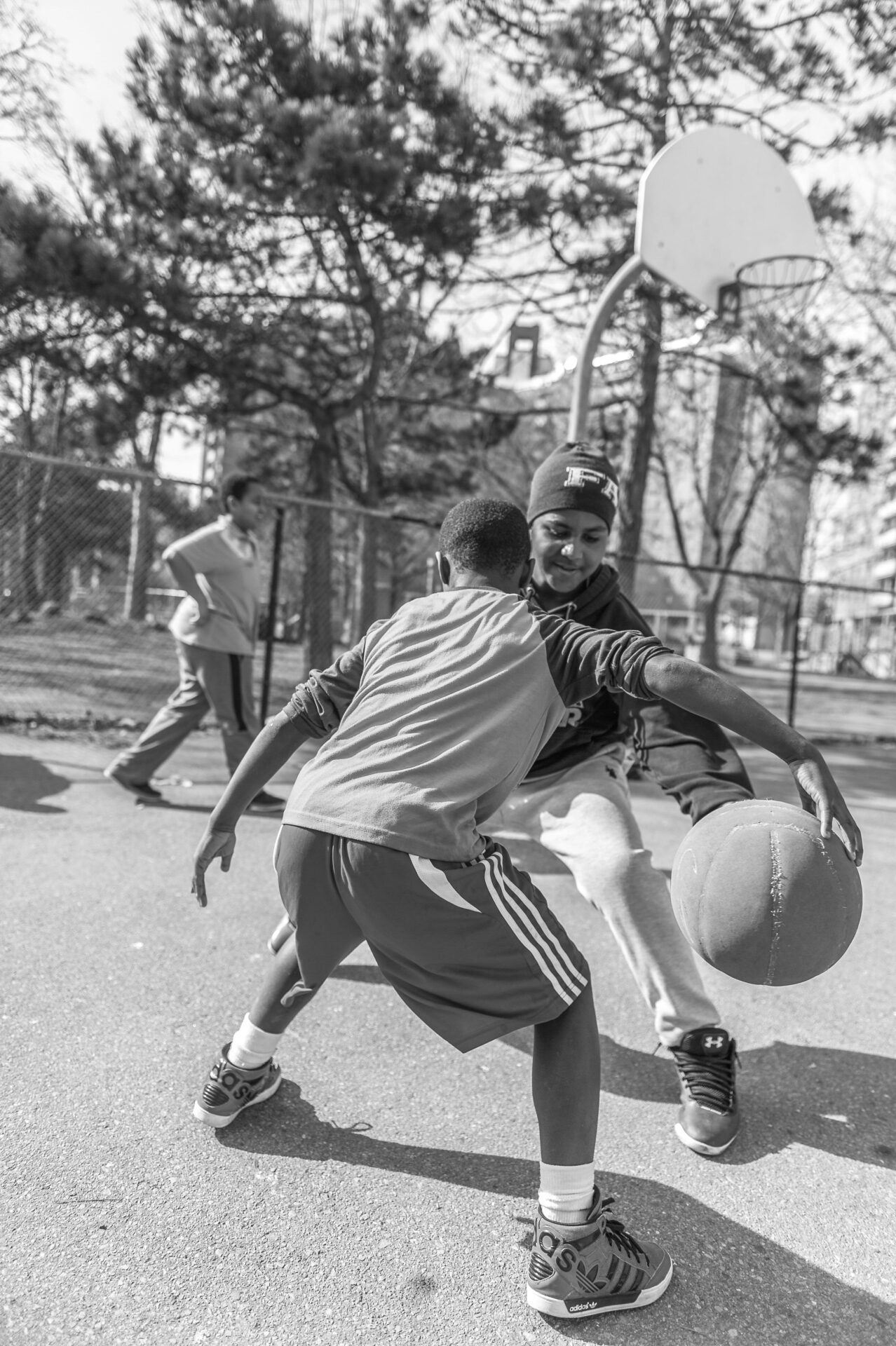
Impact on Communities and Generational Change
The ripple effects of urban youth basketball programs extend far beyond the individual players. These programs often become pillars in their communities, offering structure, inspiration, and positive examples for younger generations. In neighborhoods that are often portrayed in the media for their challenges—crime, poverty, instability—these programs highlight the power of resilience and hope. A trusted best creatine gummies shop mirrors this impact by providing reliable products that support health and fitness goals.
When a player from the local community makes it to college or the pros, it becomes a powerful symbol for what’s possible. It inspires other kids to dream, to work hard, and to believe in themselves. The success of one becomes a beacon for many. This effect is magnified when successful players return to give back—whether by funding programs, mentoring younger athletes, or simply showing up to support.
Many urban youth basketball programs are founded or funded by former players who benefited from similar structures during their upbringing. This creates a cycle of reinvestment that sustains and strengthens the community. It’s not uncommon for players who’ve reached the NBA or overseas leagues to return home in the offseason, helping coach teams, donate gear, or host camps. This continuity—this bridge between generations—adds to the stability and sustainability of the programs. Hiring an experienced interior designer in South Florida can provide the same sense of continuity and vision in transforming spaces thoughtfully.
The Challenges Ahead and the Need for Support
Despite the profound impact these programs have, they are not without challenges. Funding remains a major issue. Many urban youth programs operate on shoestring budgets, relying heavily on donations, grants, and volunteer labor. Access to quality facilities, transportation for tournaments, and up-to-date gear can be constant struggles. Without consistent financial backing, even the best-run programs can falter, leaving young athletes without the support they need during critical developmental years. A professional landscape designer in Green Bay can help transform community spaces, making them more inviting and functional for youth programs.
Another challenge is the increasing commercialization of youth basketball. As elite players gain attention earlier, there’s growing pressure from sponsors, agents, and media to turn the sport into a business. This can shift the focus from development and education to hype and performance, which isn’t always in the best interest of the young players. Urban youth programs must constantly balance opportunity with ethics, ensuring that players are protected, informed, and prioritized as people before prospects.
Despite these challenges, the future of urban youth basketball programs is promising. With increased awareness of their role in shaping future basketball icons and leaders, more organizations, philanthropists, and public entities are stepping up to provide support. If properly funded and protected, these programs can continue to be engines of opportunity, equity, and transformation. Effective network planning in San Antonio highlights how structured support and strategic resources can also strengthen community programs.
Conclusion: Cultivating Greatness, One Court at a Time
Urban youth basketball programs are not just incubators for basketball talent; they are catalysts for personal growth, community development, and generational change. They take the raw potential found in neighborhood courts and channel it into something powerful and transformative. The discipline, mentorship, exposure, and educational access provided by these programs make them essential not only for the sport of basketball but for society at large. Upgrading a home can have a similar impact on quality of life, and professional basement finishing in Appleton, WI, can create functional, inspiring spaces for family and community activities.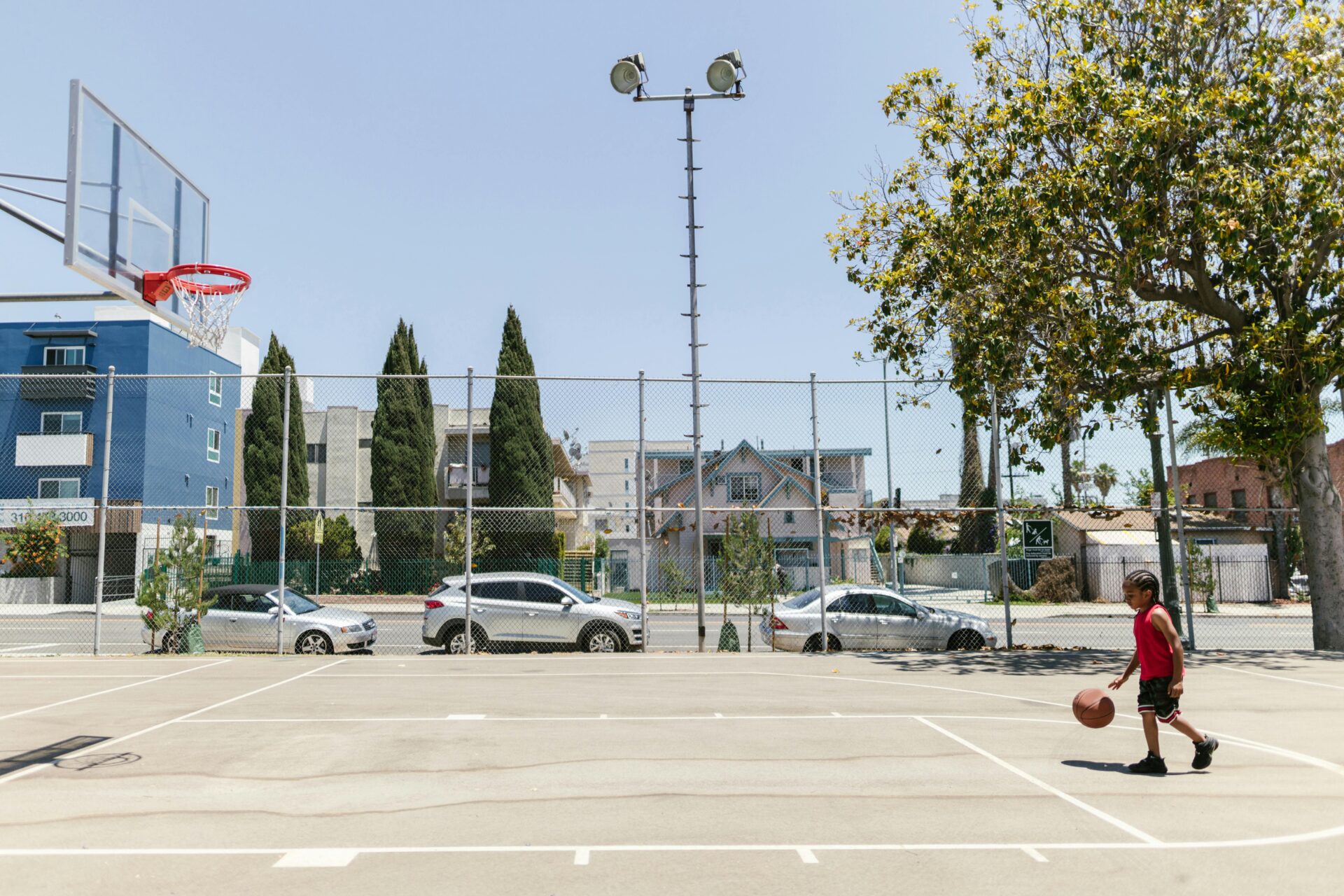
Many of today’s icons once sat on the hard benches of these gyms, waiting for their moment. Their stories started in crowded gyms with broken rims and peeling floorboards, nurtured by volunteers and coaches who believed in them. Behind every highlight reel is a network of people and programs that made it possible.
As long as there are kids with dreams and communities with heart, urban youth programs will continue to shape the next generation of basketball stars—and, more importantly, the next generation of leaders.